

A New Frontier in Smartphone Photography
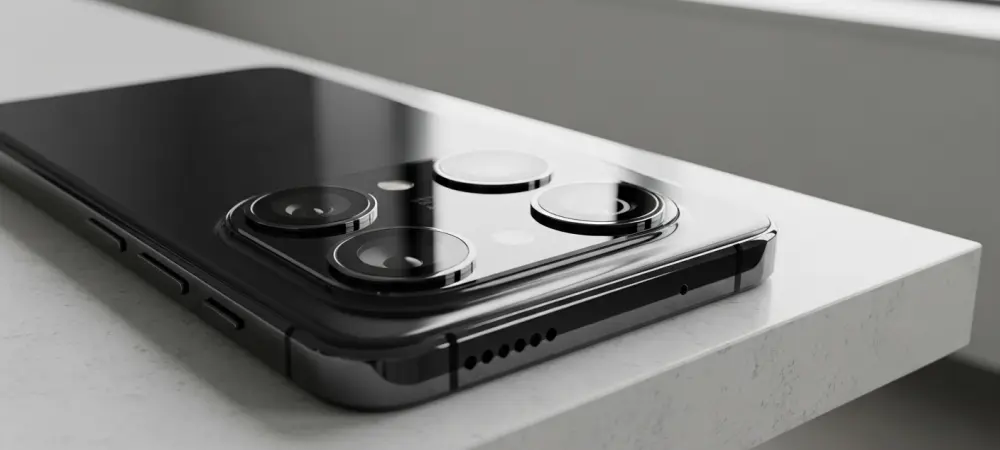
The global technology landscape stands at a critical juncture where the hardware limitations of mobile devices are being shattered by a staggering surge in optical resolution. With the impending release of the Oppo Find X10 Pro Max, rumors regarding a 600-megapixel Hasselblad camera system are signaling a massive leap toward studio-quality mobile hardware. By aiming to equip a flagship with three distinct 200-megapixel sensors, Oppo is positioning itself at the absolute forefront of the competitive imaging landscape. This analysis explores whether such resolution is a genuine technological breakthrough or a strategic move to dominate market share.
The Evolution of Resolution: From Gimmicks to Professional Tools
Over the past years, the “megapixel war” has transitioned from a simple numbers game into a race for functional clarity and creative utility. Historically, brands alternated between high pixel counts and larger individual pixels, but recent shifts show that resolution is essential for high-quality cropping. Understanding this context helps frame the Find X10 Pro Max as the logical conclusion of a trend toward “lossless” digital photography. The market now values high-resolution sensors as tools for professional flexibility rather than mere marketing fluff, allowing for significant post-capture adjustments.
Breaking Down the 600-Megapixel Engineering Marvel
The Triple 200 MP Configuration and Sensor Size Dynamics
The core of the Find X10 Pro Max is its triple-camera setup, where each lens utilizes a 200-megapixel sensor to capture massive amounts of data. Primary and telephoto modules employ 1/1.3-inch sensors, while the ultra-wide lens relies on a 1/1.5-inch sensor to maintain parity. This physical expansion is vital to ensure that high pixel density does not compromise light sensitivity or increase noise in dim environments. However, the sheer volume of data necessitates an unprecedented level of processing power and sophisticated heat dissipation solutions to keep the hardware stable during use.
Competitive Pressures and the Pursuit of Lossless Zoom
Oppo’s strategy responds to rapid advancements made by regional rivals in periscope optics and computational imaging. By providing 200 megapixels on a telephoto lens, the device can achieve digital magnification that preserves fine details better than traditional optical systems. This meets rising consumer demand for advanced zoom features that eliminate the blurry artifacts common in lower-resolution crops. Nonetheless, high storage demands represent a significant hurdle, requiring more efficient compression algorithms and cloud integration to maintain user convenience in a data-heavy market.
Manufacturing Realities and Potential Production Bottlenecks
Despite these ambitious specifications, the journey toward a 600-megapixel system remains complicated by logistical and production-related constraints. Reports indicate that Oppo is testing a secondary version with a 50-megapixel ultra-wide lens to mitigate manufacturing risks and costs. There is also a persistent need to clarify the difference between raw pixel output and “pixel binning” for the average consumer. Real-world success depends entirely on whether software can translate these massive raw numbers into usable, high-clarity 12 or 25-megapixel images for everyday sharing.
Future Directions: AI Processing and the Next Decade of Optics
Looking ahead, the focus will shift from raw hardware to the intelligence of the Image Signal Processor. We are entering an era where artificial intelligence will manage 200-megapixel streams in real-time without overwhelming the battery capacity. Regulatory changes regarding “lossless zoom” labeling are also expected as digital cropping becomes the primary method for long-range photography. If this flagship succeeds, a standardized triple-high-res configuration will likely become the industry baseline for all premium smartphones within the next two years.
Evaluating the Impact: What This Means for Consumers and Creators
For professional creators, this development offers a level of post-processing flexibility previously restricted to expensive medium-format cameras. Having 200 megapixels across all focal lengths allows for dramatic reframing and large-format printing without losing edge definition. To leverage this hardware, users should prioritize high-bitrate video modes and ProRAW settings that utilize the entire sensor area. Businesses in the digital marketing sphere should also anticipate a shift where high-fidelity mobile content reduces the reliance on dedicated camera equipment for field work.
Final Verdict: Hardware Powerhouse or Marketing Masterstroke?
The Oppo Find X10 Pro Max represented a pivotal shift in the ongoing competition for mobile dominance. By merging Hasselblad science with an unprecedented pixel count, the manufacturer bridged the gap between pocket devices and professional systems. This strategy prioritized raw clarity to justify the increasing complexity of flagship hardware. Ultimately, the market moved toward a future where the limits of mobile photography were expanded beyond previous expectations. Organizations should now integrate high-fidelity imaging into their digital workflows to remain competitive in an increasingly visual economy.