

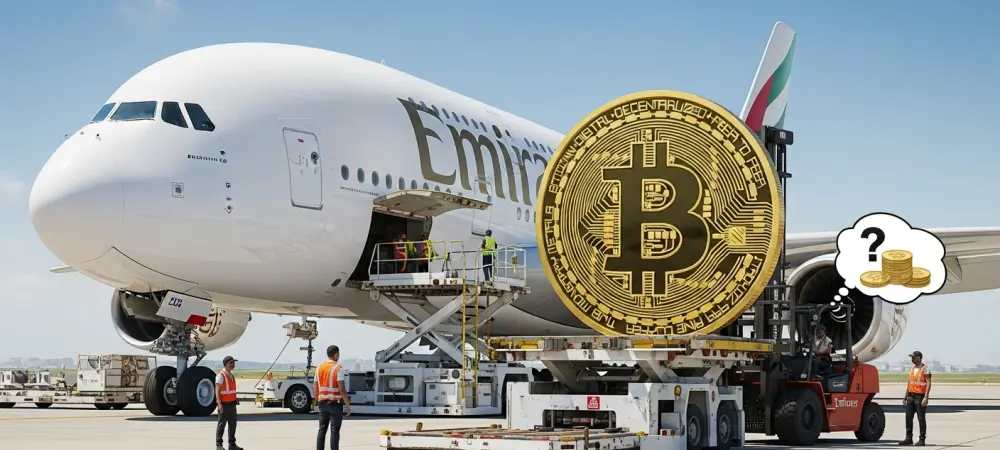
The rapid evolution of the global financial landscape has forced major international airlines to reconsider how they facilitate transactions with a tech-savvy customer base that increasingly favors decentralized assets. Emirates, a carrier synonymous with luxury and technological advancement, has consistently positioned itself at the vanguard of this digital shift by exploring the potential of blockchain and the metaverse. While travelers once relied solely on traditional credit cards or wire transfers, the demand for alternative payment methods has reached a fever pitch in 2026. This shift is not merely a trend but a fundamental change in consumer behavior, as digital wallets become as common as physical passports. However, the path to fully integrating Bitcoin or Ethereum into the booking process involves navigating complex regulatory frameworks and ensuring the security of high-value transactions. As the airline industry adapts to these modern demands, the question of whether a passenger can exchange digital currency for a business class seat to Dubai has moved from speculative fiction to a tangible operational goal.
1. Strategic Implementation and Digital Infrastructure
Building on this foundation of innovation, Emirates has initiated several pilot programs designed to bridge the gap between traditional fiat currencies and the burgeoning world of digital assets. The airline has collaborated with specialized payment processors to develop a system that allows for the real-time conversion of cryptocurrencies into local tender at the point of sale. This approach mitigates the risks associated with the inherent volatility of digital tokens, ensuring that the airline receives a stable value while the customer enjoys the flexibility of using their crypto holdings. By utilizing advanced application programming interfaces (APIs), the booking platform can now offer a seamless checkout experience that mirrors the speed of conventional banking. This technological infrastructure is not limited to just Bitcoin; it encompasses a broader spectrum of stablecoins and utility tokens that have gained institutional legitimacy. This strategic implementation demonstrates a commitment to meeting the needs of a diverse global audience that values privacy, speed, and financial autonomy. Beyond simple transactions, the airline is leveraging blockchain to enhance the overall traveler journey through the creation of unique digital collectibles and loyalty rewards. Passengers who choose to settle their fares using authorized digital wallets often receive exclusive access to non-fungible tokens (NFTs) that serve as both digital art and functional assets for cabin upgrades or lounge access. This integration of blockchain into the Skywards loyalty program marks a significant departure from traditional points-based systems, offering a more transparent and immutable record of customer engagement. The use of smart contracts further automates the distribution of these rewards, reducing administrative overhead and eliminating the potential for human error in the reconciliation process. This sophisticated ecosystem ensures that every digital interaction adds tangible value to the passenger’s experience, fostering a deeper sense of brand loyalty among the younger, digitally native demographic. The shift toward a blockchain-centric model represents a holistic reimagining of how an airline interacts with its most frequent fliers in a decentralized economy.
2. Essential Guidance for Modern Travelers
Travelers who sought to utilize digital currencies for their journeys found that a proactive approach to wallet management became an essential part of the modern booking process. It was recommended that passengers verify the compatibility of their specific digital assets with the airline’s payment gateway well in advance of their scheduled departure to avoid last-minute complications. Financial advisors frequently suggested that holding a portion of travel funds in audited stablecoins provided a more predictable experience while still benefiting from the speed of blockchain technology. The adoption of these practices allowed for a more efficient transfer of value across borders, bypassing many of the delays associated with traditional intermediary banks. Looking forward from 2026 to 2028, the expansion of these digital options aimed to include a wider array of tokens. Those who mastered the nuances of these new systems gained significant advantages. The successful integration of these technologies set a new standard for the global aviation industry, encouraging other carriers to follow suit.