

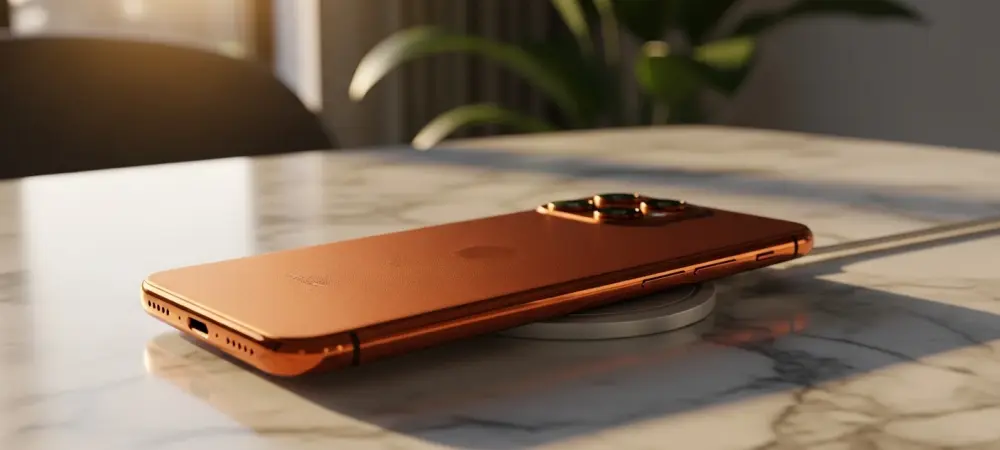
The rapid evolution of the high-end smartphone market in India has created a scenario where consumers demand absolute perfection from their flagship devices. With the arrival of the Motorola Edge 70 Pro+, the company is attempting to satisfy those high expectations by refining a product line that previously had notable gaps in its hardware offerings. This new iteration follows the standard, Fusion, and Pro models that debuted earlier this year, acting as a definitive conclusion to the current series. Instead of merely being a minor refresh, the device targets specific user frustrations, such as the absence of advanced optical zoom and convenient power solutions. By positioning this variant as the ultimate iteration, the manufacturer is signaling a shift toward more comprehensive flagship engineering. This strategic move aims to capture the loyalty of power users who refused to compromise on features when the earlier Pro model launched without certain premium staples. Such a rapid expansion of the portfolio reflects a broader industry trend where manufacturers must iterate quickly to maintain their relevance against global competitors.
Enhanced Performance and Imaging Capabilities
Central to the appeal of this upgrade is the rectification of hardware limitations that held back the predecessor in the eyes of mobile enthusiasts and professional users. The most significant addition is the dedicated telephoto lens housed within the signature square camera module, allowing for high-quality long-range photography that was previously a weakness for the brand. Beyond imaging, the restoration of wireless charging capabilities addresses a major oversight in the earlier Pro model, which relied solely on wired solutions for its high-capacity 6,500mAh battery system. This change reflects a commitment to modern utility standards expected in the premium segment today. Performance metrics are also being pushed further with a top-tier configuration featuring 16GB of RAM, providing a substantial overhead for multitasking and resource-intensive applications compared to the 12GB maximum found in the standard Pro. This hardware synergy ensured that the device could handle the increasing demands of sophisticated mobile software and high-resolution media processing without any latency.
Premium Aesthetics and Market Strategic Positioning
The visual identity of the device represents a pivot toward luxury materials, moving away from the standard glass finishes that dominated the previous iterations of the series. Motorola introduced sophisticated satin and wooden textures in green, red, and brown to distinguish this flagship from the Pantone-certified aesthetics used throughout the rest of the lineup. This material choice emphasized a tactile sense of exclusivity designed to appeal to a more discerning demographic looking for craftsmanship over common industrial designs. Strategically, the launch timing served as a calculated response to competitors who refreshed their portfolios throughout 2026. By addressing hardware gaps and elevating the design language, the company established a clear roadmap for its future development cycles. For consumers, the logical next step involved evaluating how these luxury materials sustained durability during long-term daily use. The transition to specialized hardware confirmed that premium utility and material innovation would remain the primary drivers for high-end market growth as the industry moved toward the next generation of mobile devices.