

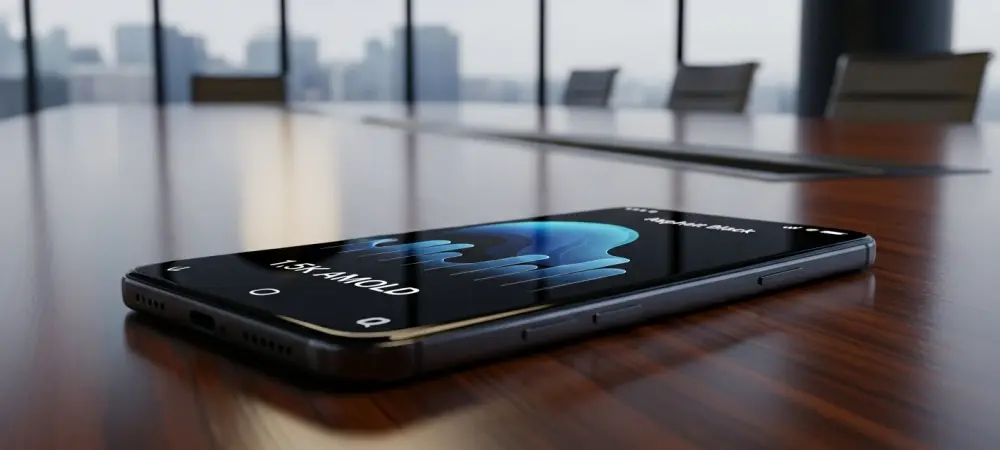
The lifecycle of a modern flagship smartphone is often defined by its ability to remain relevant in a market that moves with relentless speed and unforgiving competition. While hardware specifications provide the foundation for long-term utility, the aesthetic appeal of a device frequently serves as the primary catalyst for consumer interest during the mid-cycle phase of its existence. The mobile industry has observed a growing trend where manufacturers utilize visual updates to reinvigorate a product line, and the recent introduction of the Alpine White and Asphalt Black finishes for the iQOO Neo 10 serves as a textbook example of this strategic maneuver. By expanding the palette beyond the original Inferno Red and Titanium Chrome, the brand is effectively targeting a broader demographic that prioritizes professional elegance and minimalist design over the aggressive styling typically associated with high-performance gaming hardware. This shift suggests a deeper understanding of the user base, acknowledging that while internal power is non-negotiable, the external presentation must adapt to diverse social and professional environments to maintain its commercial momentum throughout the current year.
Engineering Performance: Beyond the Surface
Internal Architecture: The Power of the Snapdragon 8s Gen 4
The internal architecture of this handset remains anchored by the Snapdragon 8s Gen 4 chipset, a processor that has consistently demonstrated its ability to handle the most taxing computational workloads without significant thermal throttling. In a landscape where mobile gaming and high-resolution content creation are becoming standard use cases, the inclusion of such a robust silicon foundation ensures that the device does not merely look new but continues to perform at a level that rivals much more expensive flagship models. This processing power is further augmented by a sophisticated cooling system that allows the 144Hz refresh rate on the 1.5K AMOLED display to remain stable during extended sessions of high-intensity activity. Furthermore, the integration of OriginOS 6, built upon the Android 16 framework, provides a software experience that is both fluid and intuitive, offering users a level of customization and security that is expected in the current technological climate. The synergy between the hardware and the latest software optimizations results in a device that feels remarkably responsive, bridging the gap between mid-range pricing and top-tier performance. Maintaining such a high level of performance requires a power delivery system that can keep pace with the demands of the modern user, and the 7,000mAh battery remains one of the most significant engineering achievements in this segment. This massive capacity is paired with 120W wired fast charging technology, which effectively eliminates the anxiety associated with battery depletion during long travel days or intensive work shifts. For the power user, this combination means that a few minutes of charging can provide several hours of heavy use, a feature that has become a decisive factor for many when selecting a primary mobile device. Moreover, the inclusion of an IP65 rating for dust and water resistance provides an essential layer of durability, ensuring that the sophisticated internal components are protected from the environmental hazards of daily life. By keeping these core specifications consistent while introducing new aesthetic options, the brand is reinforcing the idea that the device is a reliable tool for both productivity and entertainment, regardless of which color variant the consumer chooses to purchase from Amazon or physical retailers.
Visual Excellence: The Impact of High-Brightness Displays
The visual experience provided by the 6.78-inch AMOLED panel is another area where the device continues to excel, particularly with its local peak brightness of 5,500 nits. This level of luminosity is not merely a technical boast; it translates directly into superior outdoor visibility, allowing users to interact with their content clearly even under the harsh glare of direct sunlight. Such a feature is increasingly important as mobile devices become the primary screens for everything from professional document review to immersive cinematic consumption. Additionally, the 144Hz refresh rate ensures that every motion on the screen, from the scrolling of a news feed to the rapid movements in a competitive game, is rendered with exceptional clarity and smoothness. This focus on display quality, combined with the new Alpine White and Asphalt Black colorways, positions the handset as a premium offering that appeals to those who value both form and function. The 1.5K resolution strikes an ideal balance between sharp detail and energy efficiency, contributing to the overall longevity of the device’s daily operational cycle. Optical performance remains a cornerstone of the user experience, featuring a 50-megapixel Sony IMX882 primary sensor that captures images with impressive dynamic range and color accuracy. When paired with the 8-megapixel ultra-wide lens, the camera system provides the versatility needed for various photography styles, from expansive landscapes to detailed close-ups. The 32-megapixel front-facing camera further enhances the device’s appeal by delivering high-quality video for professional calls and social interactions. This comprehensive imaging setup, housed within the sleek new chassis colors, ensures that the device remains a competitive choice for those who document their lives through high-quality media. As the market continues to evolve, the decision to maintain these high-spec camera components while refreshing the exterior shows a commitment to providing a balanced product that does not compromise on essential features. Prospective buyers should consider these hardware strengths alongside the new financial incentives, such as the bank discounts and no-cost EMI plans, which make the entry into this high-performance ecosystem more accessible than ever.