

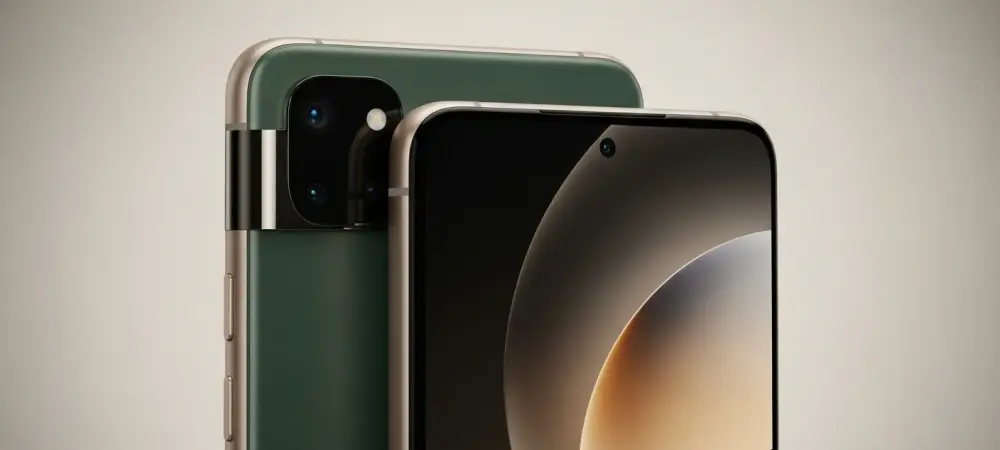
The transition from a software-first approach to a hardware-centric powerhouse marks a pivotal moment for Google as it attempts to redefine the high-end smartphone market with the Pixel 11. This series represents a significant advancement in the mobile hardware sector, moving beyond incremental updates to showcase a fundamental shift in engineering. This review explores the evolution of the technology, its key features, performance metrics, and the impact it has had on various applications. The purpose is to provide a thorough understanding of the technology, its current capabilities, and its potential future development.
Evolution of Google’s Custom Silicon and Design Philosophy
Silicon independence was once a distant dream for the Android ecosystem, but the current iteration of custom hardware proves that vertical integration is finally yielding tangible results. By focusing on a design philosophy that prioritizes artificial intelligence over raw benchmarking scores, the company has carved out a unique space in the broader technological landscape. This shift moves away from generic processing toward specialized components that handle specific user behaviors with greater efficiency.
The context of this evolution lies in the need for a cohesive marriage between the operating system and the hardware it inhabits. In contrast to earlier models that relied on off-the-shelf components, the latest architecture allows for a more granular control over energy consumption and data processing. This relevance is particularly clear as modern mobile demands shift from simple app interactions toward complex, generative workflows that require a dedicated hardware foundation.
Technical Specifications and Hardware Architecture
The Tensor G6 Chipset and 2nm Manufacturing
At the heart of this hardware revolution lies the Tensor G6 chipset, a 2nm marvel codenamed “Malibu.” This processor utilizes a 1+4+2 CPU configuration that balances peak performance with a level of thermal efficiency previously unseen in the Pixel line. The transition to a 2nm process allows for a higher transistor density, which directly translates to faster processing speeds without the proportional increase in heat generation usually associated with flagship chips.
The inclusion of a PowerVR GPU indicates a strategic move to optimize graphical rendering for complex tasks without the overhead of traditional architectures. This setup ensures that the device can maintain sustained performance during gaming or high-resolution video editing. The architecture is specifically tuned to support the “Santafe” TPU, creating a symbiotic relationship between general computing and specialized machine learning tasks.
Next-Generation Display Technology and Peak Brightness
Visual output reaches new heights with display technology capable of a staggering 3,600-nit peak brightness on the Pro and Fold models. This is not merely about visibility in direct sunlight; it represents a commitment to high dynamic range accuracy that rivals professional monitors. By implementing power-efficient LTPO panels, Google manages to deliver these high luminances while maintaining a variable 1–120Hz refresh rate to conserve energy.
The base model, while slightly more modest at 3,100 nits, still outperforms many competitors in its price bracket. This leap in display tech is supported by new driver controllers that manage pixel-level dimming with extreme precision. Such advancements ensure that the vibrant colors and deep blacks typical of OLED technology are preserved even at the highest brightness settings, providing a consistent viewing experience in any lighting condition.
Advanced Imaging Systems and the Metis Processor
Photography remains a primary focus, anchored by the 50-megapixel “chemosh” main sensor. To process the massive amounts of data generated by this glass, the dedicated “Metis” image processor acts as a co-pilot, handling computational tasks with surgical precision. This allows for real-time video enhancements and HDR processing that occur almost instantaneously, ensuring that the final output is both natural and technically superior.
The Pro-level telephoto upgrades, involving sensors known as “bastet” and “barghest,” provide a level of clarity at long distances that sets a new benchmark for mobile zoom. Moreover, the integration between the sensor hardware and the Metis chip allows for advanced features like night-mode video that were previously impossible due to bandwidth limitations. This specialized imaging pipeline is what separates the series from other manufacturers who rely solely on general-purpose processors.
Shift in Design Aesthetics and User Interaction
A noticeable shift in design aesthetics marks the departure from experimental sensors toward functional refinement. The previous temperature sensor has been replaced by the “Pixel Glow” RGB notification system, an elegant light strip integrated into the camera bar. This change reflects a growing consumer expectation for hardware that communicates status subtly, moving away from purely physical toggles toward an interactive visual language.
The “Pixel Glow” system provides a visual aesthetic for alerts that is both modern and practical, allowing users to identify notifications without turning the screen on. This evolution in user interaction demonstrates a sophisticated understanding of how people use their devices in shared spaces. Furthermore, the overall build quality has moved toward a more premium feel, utilizing recycled materials that do not compromise the structural integrity or the high-end appeal of the flagship devices.
Real-World Applications and AI Integration
With 16GB of RAM and the “Santafe” TPU, the device handles on-device AI tasks that once required cloud connectivity. In professional fields like mobile content creation and real-time translation, this local processing power ensures data privacy and zero-latency performance. The Pixel 11 Pro Fold specifically leverages this power to manage complex multitasking workflows, allowing users to run generative AI tools alongside heavy data applications seamlessly.
The utility of this hardware extends into specialized industries where rapid data processing is essential. For instance, the ability to perform high-fidelity voice-to-text and instant language conversion on-device makes it an invaluable tool for international business. Moreover, the Fold model utilizes its expansive internal display to offer unique split-screen AI tools, such as real-time context-aware drafting and image generation, which transform the phone into a portable workstation.
Technical Obstacles and Market Challenges
Despite these advancements, technical obstacles persist, most notably the delay of the “Project Toscana” IR face unlock system. This omission leaves the series reliant on existing biometric methods while competitors move toward more advanced secure scanning. Such a delay highlights the difficulty of integrating secure, high-speed infrared hardware into the thin bezels that consumers now demand.
Furthermore, balancing extreme display brightness with the realities of battery longevity remains a constant struggle. Ongoing development efforts are focused on thermal management, as the energy required to hit 3,600 nits generates significant heat that can lead to performance throttling. Competitive pressure from other manufacturers necessitates a rapid pace of innovation, which sometimes results in the postponement of ambitious features in favor of market stability.
Future Trajectory of the Pixel Ecosystem
Looking forward, the trajectory of the Pixel ecosystem points toward deeper custom GPU development and even greater power efficiency. The long-term impact of the 2nm transition will likely set a new standard for the industry, pushing other manufacturers to prioritize specialized silicon. As Google continues to refine its platform, the gap between traditional mobile computing and desktop-level AI performance is expected to shrink significantly.
Potential breakthroughs in battery chemistry and cooling solutions will be necessary to support the next generation of high-brightness displays. The move toward a completely vertically integrated stack suggests that future devices will offer even more exclusive features that cannot be replicated on standard Android hardware. This strategy positions the ecosystem to lead the market in intelligent, self-sustaining mobile technology over the next several years.
Final Assessment of the Google Pixel 11 Series
The overhaul of the hardware and the refinement of the Tensor platform demonstrated a clear maturity in Google’s engineering vision. This series was not just a minor update but a fundamental shift that addressed previous reliability concerns while doubling down on on-device intelligence. While the lack of an IR face unlock was a disappointment, the sheer power of the Metis processor and the brilliance of the display technology signaled a new era for Android flagships.
The successful implementation of the 2nm process provided a blueprint for future efficiency gains that will likely influence the entire mobile industry. The “Pixel Glow” and the 16GB RAM configurations showed a commitment to both aesthetic innovation and professional-grade performance. Ultimately, the Pixel 11 series proved that a focus on custom silicon and intentional design could overcome market saturation, setting a high bar for the competition in the coming years.