

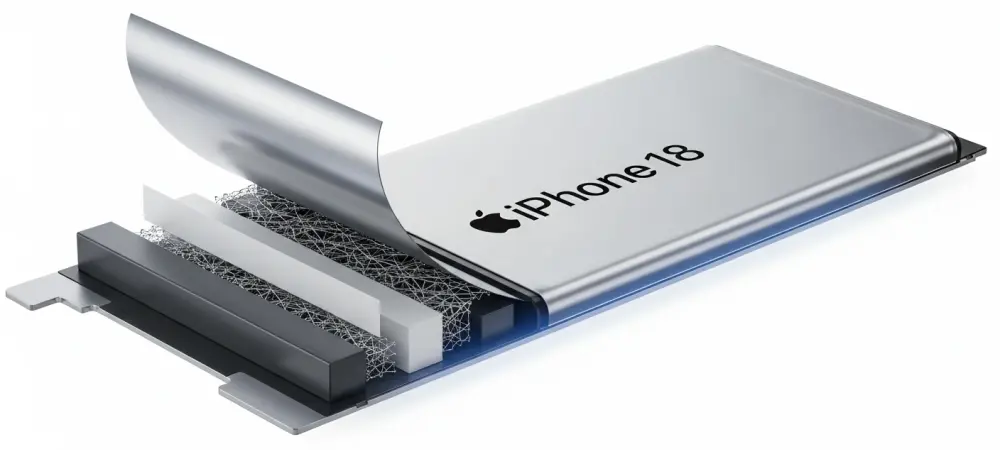
For years, the mobile technology industry prioritized software optimization to mask limited battery sizes, but the iPhone 18 series marks a definitive pivot toward aggressive hardware-led endurance. This evolution represents a significant advancement in the mobile hardware industry, moving beyond mere efficiency tweaks to embrace substantial physical expansion. The purpose of this review is to provide a thorough understanding of this technology, exploring how the shift from software-driven conservation to hardware-capacity expansion has redefined the user experience in the broader technological landscape.
Evolution of Power Management: Hardware and Software Synergy
The integration of Apple’s power management systems has reached a critical juncture where software can no longer bridge the gap between user expectations and physical limitations. This new architecture represents an acknowledgment that high-performance tasks, such as on-device artificial intelligence and complex neural processing, require a consistent and high-output energy source. Consequently, internal hardware has evolved to prioritize physical volume as a primary resource, marking a departure from the “thinness-at-all-costs” design philosophy that dominated the previous decade.
This shift is relevant because it addresses the core bottleneck of modern mobility: the energy density of lithium-ion cells. By moving toward a hardware-centric approach, the technology ensures that efficiency gains from the operating system provide extra headroom rather than acting as a necessary crutch for a small battery. This context is essential for understanding how the latest models maintain peak performance under heavy sustained loads.
Architectural Innovations: Energy Components and Efficiency
Record-Breaking Battery Capacities: The Volume Optimization Strategy
The most striking feature of the new lineup is the 5,425mAh capacity found in the Pro Max and the 4,288mAh capacity in the Pro models. These record-breaking figures were achieved primarily through the removal of the physical SIM tray in eSIM-only models, which freed up critical internal volume for larger lithium-ion cells. This design choice highlights a strategic trade-off where physical connectivity was sacrificed to maximize energy storage, allowing the battery pouch to expand into the space previously occupied by mechanical components.
However, this optimization creates a noticeable performance gap between regional variants. Markets that retain the physical nano-SIM slot are equipped with slightly smaller units, such as the 5,235mAh battery in the Pro Max. This distinction is crucial for professional users to understand, as the internal volume optimization directly correlates with the device’s ability to sustain high-intensity tasks throughout a full workday without requiring an external power source.
The A20 Pro Processor: A Leap in 2nm Manufacturing Efficiency
Complementing the larger cells is the A20 Pro chipset, which utilizes a groundbreaking 2nm manufacturing process to maximize performance-per-watt. The 2nm process allows for a higher transistor density, which reduces the distance electrons must travel and significantly lowers heat generation during operation. This thermal management is vital because excessive heat is the primary catalyst for battery degradation, meaning the A20 Pro does not just save energy; it actively preserves the long-term health of the high-capacity hardware.
The synergy between this dense silicon and the expanded hardware ensures that every milliampere is utilized with surgical precision. While the hardware provides the raw energy required for demanding tasks, the 2nm architecture ensures that the power draw remains linear and predictable. This combination allows the device to maintain high frame rates and processing speeds for longer periods than was previously possible with older, less efficient manufacturing nodes.
Latest Developments: High-Density Trends in Mobile Power
The broader smartphone market has moved toward a 5,000mAh standard for flagship devices, forcing manufacturers to reconsider their internal layouts. Consumers now expect multi-day battery life as a baseline, a demand that has influenced regional hardware variations and global performance standards. This trend is driven by the increasing energy requirements of high-refresh-rate displays and the constant background processing required for modern connectivity suites.
Despite Apple’s significant upgrades, the brand still navigates a landscape where aggressive battery expansion is the norm. The industry is currently seeing a shift where the “flagship” designation is increasingly tied to energy autonomy. As regional hardware differences become more pronounced, the influence of internal space optimization has become the primary differentiator in the competitive mobile landscape.
Real-World Applications: Professional and Remote Use Cases
Professional use cases, particularly in mobile cinematography and professional gaming, benefit most from these hardware advancements. Filmmakers can now record high-bitrate video in ProRES formats for extended durations without the cumbersome weight of external battery packs. The extended life allows for continuous shooting in remote field locations where external charging infrastructure is non-existent, making the smartphone a more viable primary tool for content creators.
In the professional gaming sector, the increased capacity allows for sustained high-frame-rate play sessions that would have previously triggered thermal throttling. Professional gamers and remote field workers require a device that can handle maximum brightness and high data throughput simultaneously. The iPhone 18’s battery technology provides this stability, ensuring that the device remains a reliable asset for sustained high-performance tasks in any environment.
Technical Limitations: Global Hurdles and Density Challenges
Despite the impressive capacity increases, the technology faces significant hurdles from international competitors who are pushing capacities toward 7,500mAh. Manufacturers like Xiaomi and Oppo have implemented different cell chemistries to achieve higher densities in similar footprints, leaving Apple to rely heavily on space optimization rather than chemical innovation. This gap highlights a potential vulnerability in Apple’s long-term strategy if silicon efficiency gains begin to plateau.
Furthermore, the performance disparity between eSIM and physical SIM models creates a tiered user experience that may frustrate consumers in specific markets. The technical hurdles of lithium-ion density mean that until a new chemistry is commercialized, any gain in battery life must come from either increasing the device’s size or removing other components. This trade-off remains a point of contention for users who value physical connectivity options over maximum energy capacity.
Future Outlook: The Path Toward Solid-State Systems
Looking ahead, the focus of smartphone energy systems will likely shift toward solid-state batteries which promise higher safety and even greater density. As silicon miniaturization reaches its physical limits at the 2nm or 1nm scale, the industry must innovate within the battery chemistry itself to sustain the current trajectory of growth. These potential breakthroughs will be necessary to power the next generation of augmented reality and real-time processing features.
The long-term impact of increased energy density will also lead to improved longevity for consumer electronics. By reducing the number of charging cycles required per week, the overall lifespan of the battery is extended, which contributes to a reduction in electronic waste. The transition toward these more robust energy systems will eventually redefine how consumers perceive the durability and value of their mobile investments.
Final Assessment: The 5,400mAh Threshold Landmark
The transition to the 5,400mAh threshold marked a pivotal moment in smartphone design, signaling an end to the era of prioritizing thinness over functional endurance. The combination of 2nm silicon and expanded internal volume provided a robust solution for power-hungry applications that previously struggled on smaller hardware. It was clear that the removal of legacy components like the SIM tray was a necessary sacrifice to achieve this level of performance.
The review of this ecosystem showed that while Apple remained behind some competitors in raw capacity, the integration between the A20 Pro and the expanded battery created a more balanced and efficient device. The technology successfully met the needs of professional users, proving that hardware-led capacity is the most effective way to secure a device’s place in a modern professional workflow. Moving forward, the industry was left to ponder whether chemical innovation would finally replace physical expansion as the next major frontier.