

Overview of the Boltt Smartphone Ecosystem
Indian consumer technology is witnessing a monumental shift as Fire-Boltt transitions from dominating the wrist of every fitness enthusiast to challenging the heavyweights of the smartphone industry. This expansion marks the birth of the Boltt sub-brand, a strategic move aimed at carving out a significant share of the budget-friendly mobile market. By leveraging existing brand loyalty, the company seeks to establish a homegrown presence that competes directly with international giants. The initial strategy involves launching two distinct product lines: the Evo Series and the Ace Series. These collections are designed to provide localized alternatives to established brands like Poco and Realme, emphasizing affordability and regional manufacturing. This transition signals a pivot from being an accessory provider to becoming a full-scale player in the mobile hardware sector, creating a more comprehensive electronics ecosystem.
Performance and Technical Specifications Comparison
Processing Power and Benchmarking Results
The technical heart of the Boltt Evo 4G is the Unisoc T7250 octa-core processor, which utilizes a 12nm architecture to balance cost and performance. This chipset recorded a single-core score of 440 and a multi-core score of 1,470 on Geekbench, placing it in a similar performance bracket as the Poco C81 Pro. These metrics indicate that the Evo series is well-equipped to handle the daily productivity and social media requirements of most entry-level users.
While the Evo series focuses on reliable efficiency for essential tasks, the Ace Series is expected to offer more versatile performance tiers. By potentially incorporating more robust architectures, the Ace series targets users who need a bit more headroom for gaming or heavy multitasking. This differentiation allows the Boltt brand to capture a wider range of consumer needs within the budget segment.
Connectivity Options and Network Standards
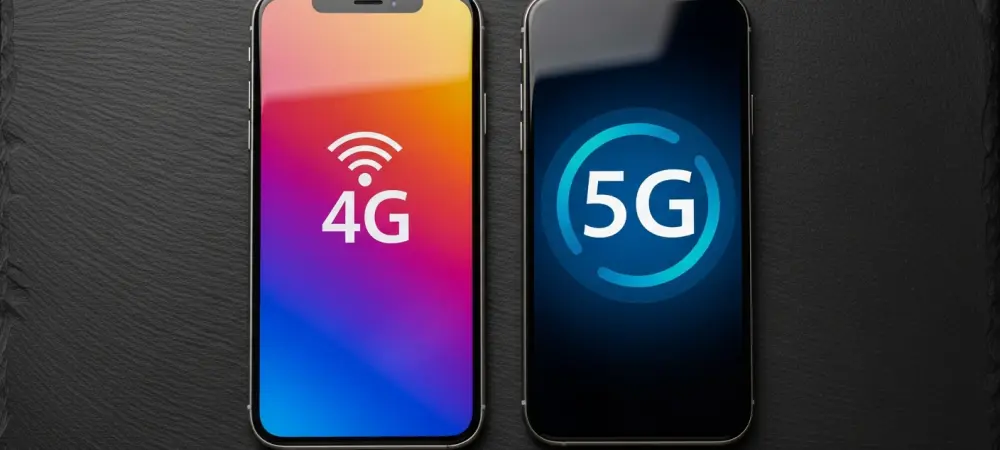
Network standards provide a clear distinction between these two product lines as Boltt confirms that both will feature a mix of 4G and 5G variants. The Evo 4G targets the most cost-sensitive consumers who may not have immediate access to high-speed 5G networks or simply prioritize upfront savings. This ensures that the brand remains accessible to a broad demographic regardless of regional infrastructure development.
Conversely, the Ace series is expected to lead the charge for future-proofing, providing the lower latency and faster download speeds required for a modern connected lifestyle. By offering dedicated 5G solutions, the Ace series appeals to tech-savvy buyers who want to ensure their device remains relevant as regional networks expand. This tiered approach helps Boltt manage manufacturing costs while satisfying diverse connectivity demands.
Software Environment and Memory Management
Both lineups prioritize longevity through an emphasis on software updates and adequate hardware overhead. The Evo 4G is slated to launch with at least 4GB of RAM, ensuring that multitasking remains fluid for everyday applications. Early technical leaks even mention Android 16, suggesting that Boltt is committed to providing a more modern software environment than many of its budget-tier competitors.
This focus on contemporary software bridges the gap between the Evo and Ace series, creating a unified brand identity across the entire portfolio. By maintaining a consistent user interface, Boltt ensures that customers moving between different tiers feel a sense of familiarity. This software-forward strategy is a key component in the brand’s attempt to build long-term consumer trust.
Market Challenges and Hardware Considerations
Entering a saturated market dominated by mature ecosystems presents several obstacles for the Boltt sub-brand. The choice of a 12nm Unisoc processor, while cost-effective, may result in lower power efficiency compared to the newer architectures found in mid-range Snapdragon or MediaTek chips. Power users might find the performance ceilings of these entry-level components limiting over extended periods of heavy use.
Furthermore, Boltt must build consumer trust in its hardware reliability, proving that its smartphones can match the durability of established players like Realme. Navigating the competitive landscape requires more than just competitive pricing; it demands rigorous software optimization and reliable post-purchase support. Buyers must weigh the benefits of a homegrown brand against the technical polish found in more experienced mobile manufacturers.
Conclusion and Strategic Buying Recommendations
The comparison between the Evo and Ace series demonstrated how Boltt intended to cover all essential bases in the entry-level market. The Evo Series, led by the Evo 4G, offered the most accessible entry point for buyers prioritizing value, while the Ace Series provided the necessary variety for those seeking 5G connectivity. Strategic success for the brand relied on its ability to offer a seamless software experience regardless of the hardware tier chosen by the consumer.
Future buyers considered their regional infrastructure and specific performance requirements before choosing, ultimately benefiting from the increased competition within the Indian mobile landscape. Those who needed immediate, affordable utility found the Evo 4G to be a capable companion, whereas users looking to future-proof their purchase gravitated toward the Ace variants. This expansion marked a significant milestone in Boltt’s journey toward becoming a total consumer electronics provider.