

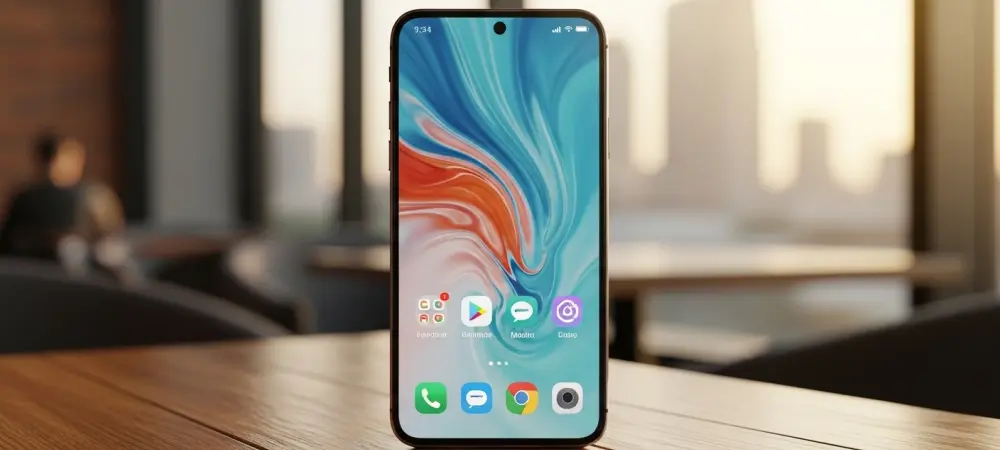
The market for mid-range smartphones has long been a battleground of compromises, yet the latest reveal from Huawei suggests that the era of choosing between power and price might finally be coming to an end. This new lineup consists of the Nova 16 and the Nova 16 Pro, both of which are designed to challenge the status quo by introducing hardware previously reserved for flagship models. By focusing on battery longevity and advanced imaging, the manufacturer aims to capture a market segment that values endurance and photographic versatility toward a more seamless mobile lifestyle.
This article explores the specific technical advancements and practical implications of the Nova 16 series through a series of focused questions. Understanding these nuances is essential for any consumer looking to upgrade their mobile experience without the typical flagship price tag, especially as connectivity standards continue to evolve rapidly.
Key Topics: Exploring the Nova 16 Series Features
What Are the Standout Hardware Features of the Nova 16 Series?
Both devices in this series share a common foundation built on the Kirin 9010S chipset, ensuring a consistent level of performance across the board. To complement this processing power, Huawei has equipped every model with 12GB of RAM as a standard, which facilitates seamless multitasking and smoother transitions between demanding applications. This uniform approach to internal power ensures that even the more affordable model does not feel like a significant performance downgrade in daily operation compared to its more expensive sibling.
The visual experience also receives a substantial boost through the use of high-quality OLED panels, though the specific display technologies vary between the two. The Pro model features a 6.84-inch LTPO OLED screen with a variable refresh rate, while the standard version utilizes a slightly smaller 6.68-inch OLED panel. Despite these differences, both models maintain a 120Hz refresh rate, ensuring that animations and scrolling remain fluid and responsive for all types of content.
How Does the 7,000mAh Battery Change the User Experience?
The inclusion of a 7,000mAh battery is arguably the most impactful update in the Nova 16 series, addressing one of the most persistent pain points for smartphone users. This massive capacity allows the devices to comfortably last through multiple days of moderate use, effectively reducing the range anxiety often associated with modern mobile technology. In a landscape where many competitors still hover around the 5,000mAh mark, this jump represents a significant leap forward in mobile endurance. To manage such a large battery, Huawei has implemented 100W SuperCharge technology, which enables rapid refueling despite the high capacity of the cell. While the absence of wireless charging might be a disappointment for some, the sheer speed of the wired connection helps mitigate the time spent tethered to a wall outlet. This combination of a high-density battery and fast charging ensures that the device spends more time in the hands of the user and less time on a charger.
What Sets the Nova 16 Pro Camera System Apart from the Standard Model?
The camera system is where the distinction between the two models becomes most apparent, particularly with the Pro variant’s 200MP RYYB main sensor. This high-resolution sensor is paired with Optical Image Stabilization to ensure sharp, clear photos even in challenging lighting conditions. Furthermore, the Pro features a 50MP 3.7x RYYB telephoto lens and an ultra-wide lens capable of macro photography, providing a comprehensive toolkit for mobile photographers who require versatility across various focal lengths.
In contrast, the standard Nova 16 employs a 50MP main sensor that lacks optical stabilization, which may result in slightly less precision during handheld shooting in low light. However, it still offers a capable 50MP 3.3x RYYB telephoto module, which is a marked improvement over previous generations that often omitted dedicated zoom lenses entirely. While the Pro model is clearly the superior choice for imaging enthusiasts, the vanilla version provides a solid photographic experience that remains competitive within its price bracket.
Which Connectivity and Protection Standards Are Included in These New Handsets?
One of the most surprising additions to the entire Nova 16 line is the support for the BeiDou satellite messaging system. By democratizing this feature, Huawei has significantly increased the safety and utility of its mid-range offerings, catering to outdoor enthusiasts and users in regions with inconsistent network coverage.
Beyond satellite communication, the series is well-equipped for the future with Wi-Fi 7 and Bluetooth 6.0 support, alongside the proprietary StarFlash technology. However, the move to side-mounted fingerprint readers and the retention of an IP65 water resistance rating suggest a focus on functional reliability rather than the most premium biometric or environmental standards. These choices reflect a balanced design philosophy that prioritizes connectivity and durability, resulting in a robust device capable of handling modern communication demands.
Summary or Recap
The Nova 16 series introduces a compelling mix of high-end hardware and practical enhancements that redefine what a mid-range smartphone can achieve. By standardizing the 12GB of RAM and the Kirin 9010S chipset, the manufacturer ensures that performance remains a constant regardless of which model a consumer chooses. The massive 7,000mAh battery stands out as a market-leading feature, providing the kind of longevity that has become increasingly rare in the thin-and-light era of mobile design.
Moreover, the expansion of satellite messaging and telephoto capabilities to the base model demonstrates a commitment to bringing advanced technology to a wider audience. While the Pro model offers a more sophisticated display and a 200MP camera system, both devices provide excellent value for their respective price points. As these handsets enter the global market, they offer a clear alternative for those who prioritize battery life and connectivity as their primary mobile requirements.
Conclusion or Final Thoughts
This release signaled a shift in how manufacturers approached the mid-market segment, focusing on core utilities like power and communication. It was clear that the decision to prioritize a massive battery over wireless charging resonated with users who valued long-term reliability over minor conveniences. The introduction of satellite features also paved the way for more resilient communication standards across the industry, forcing competitors to reconsider their own feature sets to stay relevant in a changing landscape.
Prospective buyers found that the Nova 16 series provided a versatile platform for both daily tasks and creative pursuits. Whether one opted for the high-end Pro model for its superior imaging or the standard version for its balanced performance, the value proposition remained strong. In the end, the lineup encouraged a more critical look at what truly mattered in a mobile device, emphasizing that endurance and connectivity were the true foundations of a premium user experience in the modern age.