

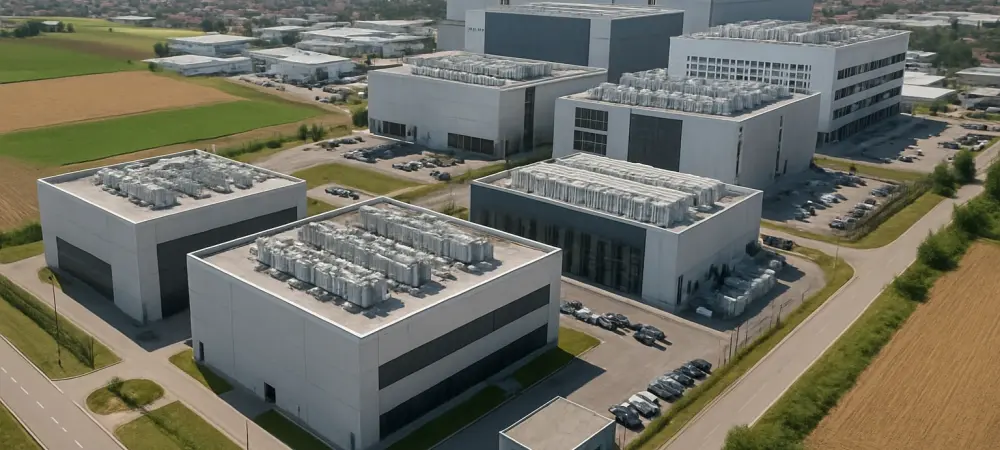
In the heart of southwest Germany, a transformative project is underway that promises to reshape the technological landscape of the region, and it’s generating significant excitement among local stakeholders. Nestled within the startkLahr Airport & Business Park near the French border in Baden-Württemberg, a new data center is being developed through a €16 million ($18.63 million) collaboration between energy firm E-Werk Mittelbaden and IT services provider Leitwerk. This ambitious initiative, which recently broke ground, is more than just an infrastructure project; it represents a pivotal moment for regional businesses and digital connectivity. As digital demands continue to surge, the facility is poised to become a cornerstone for innovation, offering robust cloud and colocation services. With an expected operational date within the next couple of years, this development is already creating buzz among local stakeholders eager to see the economic and technological benefits unfold. The focus on tailored IT solutions and sustainable practices further underscores its potential to drive growth in an increasingly connected world.
A Strategic Partnership for Digital Expansion
The collaboration between E-Werk Mittelbaden and Leitwerk is a testament to the power of combining energy expertise with cutting-edge IT solutions to meet modern challenges. Spanning 600 square meters (6,460 square feet) with a 1MW capacity, the new facility will house up to 230 racks, catering to the growing needs of Leitwerk’s Baden Cloud division. This project marks their second joint venture, building on the success of an earlier data center in Appenweier, which has been operational for several years. The strategic location in Lahr enhances accessibility for businesses across southwest Germany, ensuring that both local startups and global corporations can tap into high-quality digital infrastructure. Moreover, the integration of a rooftop solar system highlights a commitment to sustainability, aligning with broader trends in the tech industry to reduce environmental impact. This forward-thinking approach not only addresses current demands but also sets a precedent for future developments in the region, emphasizing resilience and eco-conscious design.
Beyond the physical specifications, this partnership reflects a deeper understanding of the evolving digital economy in Baden-Württemberg. Leitwerk, as part of the Q-Fox Group, brings decades of experience in delivering customer-centric IT services, catering to a diverse clientele ranging from freelancers to large enterprises. The company’s emphasis on personalized support, even during emergencies, ensures that businesses can rely on uninterrupted operations. Their proven track record, evidenced by the fully utilized Appenweier facility, necessitated this expansion to accommodate growing demand. Additionally, the robust connectivity solutions, such as redundant internet connections via microwave radio, demonstrate a proactive stance against potential disruptions. This focus on reliability and scalability positions the new data center as a critical asset for companies seeking to maintain a competitive edge in a fast-paced digital landscape, fostering an environment where innovation can thrive without the constraints of outdated infrastructure.
Regional Impact and Economic Promise
The decision to establish this data center in the startkLahr business park carries significant implications for the local economy and technological ecosystem. Historically rooted as Lahr Airfield since the early 20th century, the site has evolved into a hub for forward-looking enterprises, making it an ideal setting for such a cutting-edge project. Local stakeholders have expressed enthusiasm for the potential job creation and business opportunities that will accompany the facility’s completion. By providing state-of-the-art cloud and colocation services, the center will attract tech-driven companies to the area, spurring economic activity and enhancing the region’s reputation as a digital hotspot. This development also aligns with broader goals of strengthening digital infrastructure in southwest Germany, ensuring that businesses can keep pace with global connectivity demands. The ripple effects are expected to benefit not just Lahr but surrounding areas, creating a network of innovation that supports both regional and international markets.
Equally important is how this initiative addresses the specific needs of businesses in the region through tailored IT solutions. Leitwerk’s approach, supported by the expansive network of Q-Fox’s Link2Air unit, ensures that connectivity remains robust, even in challenging circumstances. Their experience with redundant systems, implemented after past fiber breaks, guarantees reliability for clients who depend on seamless digital operations. This customer-focused strategy extends beyond mere infrastructure, offering a lifeline to companies of all sizes in navigating the complexities of the digital age. The presence of Baden Cloud services, already operational in other locations like Karlsruhe through partnerships with TelemaxX, further amplifies the reach and impact of this project. As a result, the data center stands to become a catalyst for technological advancement, enabling businesses to scale efficiently while contributing to a stronger, more connected regional economy that is well-prepared for future challenges.
Building a Legacy of Innovation
Reflecting on the journey that led to this milestone, the groundwork laid by E-Werk Mittelbaden and Leitwerk proved instrumental in shaping a vision for digital progress. Their earlier collaboration in Appenweier set a high standard for what could be achieved through strategic alliances, and the Lahr project builds upon that foundation with even greater ambition. The integration of sustainable energy practices and resilient connectivity solutions demonstrates a thoughtful approach to meeting the needs of a modern, tech-driven society. Local support and enthusiasm underscore the transformative impact that has already begun to take shape, reinforcing the value of investing in regional infrastructure. This initiative captures the essence of balancing innovation with practicality, ensuring that businesses across southwest Germany reap the benefits of enhanced digital capabilities.
Looking ahead, the focus shifts to leveraging this development as a springboard for sustained growth. Stakeholders should prioritize fostering partnerships with emerging tech firms to maximize the facility’s potential as a hub for innovation. Exploring opportunities for skill development programs could also ensure that the local workforce is equipped to thrive in a digital economy. Additionally, continuous investment in sustainable technologies will be key to maintaining the project’s alignment with global environmental goals. As the data center moves toward full operation, monitoring its economic contributions and adapting services to evolving business needs will remain critical steps. These efforts promise to cement Lahr’s position as a leader in regional tech advancement, paving the way for future projects that build on this remarkable achievement.