

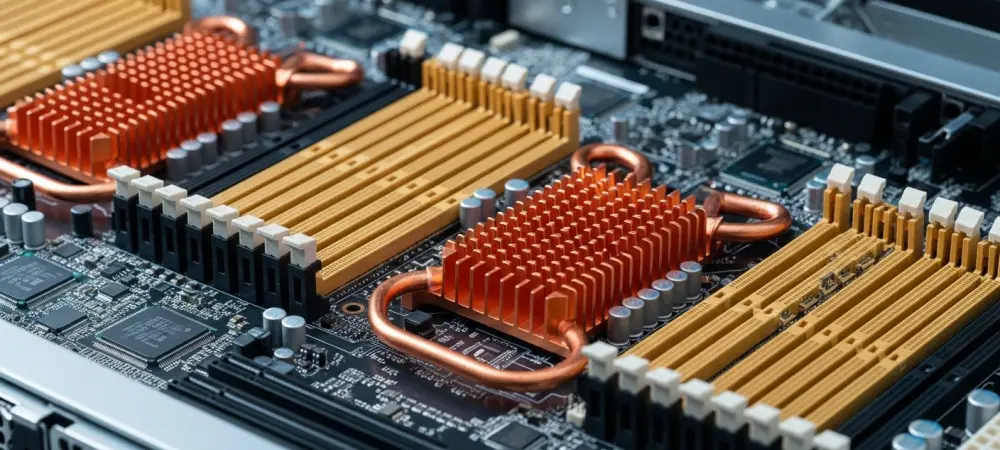
Thailand is rapidly transforming into a regional epicenter for high-performance computing as Gorilla Technology Group initiates its ambitious expansion into the Korat province. By securing a sprawling 40-acre site, the Nasdaq-listed infrastructure provider aims to bridge the massive gap between current local processing power and the escalating demands of modern artificial intelligence. This development signifies a shift toward localized hardware sovereignty, ensuring that the next generation of digital services remains grounded in robust, physical foundations within Southeast Asian borders. The objective of this exploration is to dissect the technical and strategic layers of the 200MW data center project. Readers will gain a clear understanding of the facility’s specialized architecture, the innovative financing model used to fund such a massive undertaking, and the broader implications for Thailand’s standing in the global tech economy. This analysis covers the transition from software-centric services to the capital-intensive hardware reality that now defines the AI industry.
Key Questions or Key Topics Section
What Are the Technical Specifications of the New Korat Facility?
Building a facility of this magnitude requires more than just floor space; it necessitates a sophisticated engineering approach to handle the heat and power demands of modern chips. The site features six specialized data halls, consisting of five 30MW units and a larger 50MW unit, designed to achieve a net IT load of 150MW. By maintaining a Power Usage Effectiveness of 1.3, the center achieves a balance between raw performance and environmental responsibility, which is a critical metric for long-term operational sustainability in tropical climates.
Furthermore, the infrastructure is optimized for extreme density, specifically supporting approximately 76,000 GPUs. The layout focuses on high-density configurations where each rack consumes about 142kW, a necessity for the latest generation of processors. This specialized design allows the campus to serve as a high-compute hub that can handle the most intensive generative AI workloads, effectively turning Thailand into a critical node for regional data processing.
How Is the Smart Capital Strategy Powering This Expansion?
Financing a project of this scale often risks Diluting shareholder value, but Gorilla Technology Group has adopted a unique “smart capital” approach to mitigate this issue. Instead of relying on traditional equity raises, the company focuses on project-level debt and asset-backed financing. This method taps into long-duration institutional capital from pension and infrastructure funds, aligning the long-term nature of physical data centers with the steady returns expected by major global investors.
Moreover, this financial philosophy allows the company to maintain a lean corporate structure while building out massive physical assets. By securing localized funding and leveraging international partnerships, such as those seen in India and other parts of Southeast Asia, the firm demonstrates a blueprint for rapid scaling. This strategy highlights a shift in the industry where the ability to navigate complex financial markets is just as vital as technical expertise in server management.
Summary or Recap
The development in Korat represents a pivotal moment for Thailand’s digital infrastructure, moving beyond simple storage to specialized AI compute. Through the deployment of tens of thousands of GPUs and a highly efficient power management system, the project addresses the urgent need for localized processing power. The use of non-dilutive financing ensures that the growth is sustainable for stakeholders while providing the region with the tools necessary to compete on a global stage. This initiative reinforces the consensus that physical infrastructure is the true backbone of the AI revolution.
Conclusion or Final Thoughts
The emergence of the Korat data center demonstrated that the future of technology was inseparable from heavy industry and strategic real estate. Stakeholders began to view these massive campuses not merely as buildings, but as the essential engines of a new economy that demanded unprecedented levels of power and precision. As the first phase reached completion, the focus shifted toward how local businesses could integrate this massive compute capacity into their daily operations to foster genuine innovation. This transition encouraged a deeper look at how regional hubs could maintain a competitive edge through early adoption of high-density hardware.