

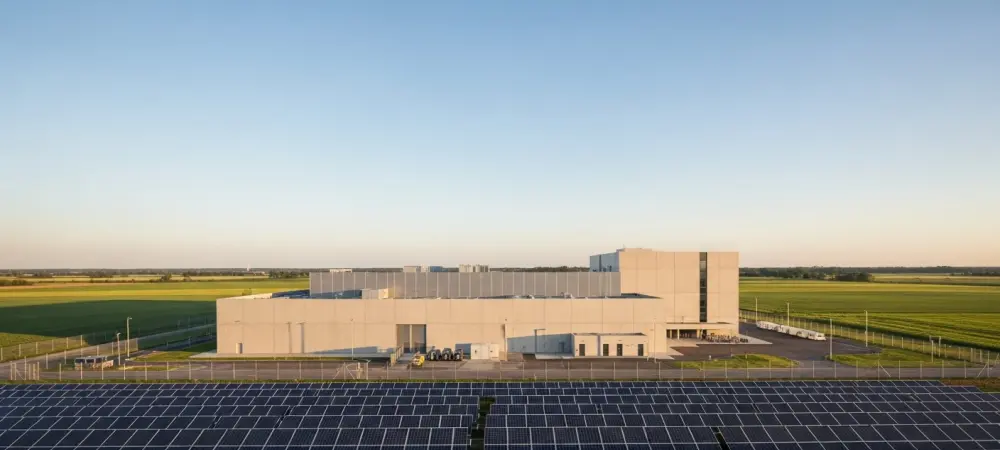
The massive industrial blocks housing the specialized silicon and cooling systems necessary for artificial intelligence are no longer invisible back-end infrastructure but have become the most controversial new neighbors in the American landscape. This friction represents a fundamental clash between the high-speed requirements of global technological competition and the deeply rooted desire for local sovereignty, environmental preservation, and government transparency. As hyperscalers race to secure their dominance in the AI era, they are discovering that the path to progress is frequently blocked not by technical limitations, but by a growing crisis of public confidence that threatens to derail multi-billion dollar investments across the country.
The Economic and Technical Scale of the AI Boom
The Massive Financial Momentum of Infrastructure
The financial velocity behind the rollout of artificial intelligence infrastructure is nearly unprecedented in the history of industrial development, with capital expenditure projections indicating a global requirement of over five trillion dollars by 2030. This massive influx of capital is driven by a competitive necessity among tech giants to secure the physical real estate and computing power required to lead the AI revolution. In the current market, mergers, acquisitions, and direct investments in data center assets have already surged past sixty billion dollars annually, signaling a gold-rush mentality that prioritizes rapid deployment over traditional community engagement cycles. This economic pressure forces developers to move with extreme speed, often outpacing the ability of local zoning boards and planning commissions to fully assess the long-term impacts of such massive installations.
Because the United States serves as the primary theater for this infrastructure surge, the domestic landscape is undergoing a visible and rapid transformation as developers venture far beyond the traditional corridors of Silicon Valley or Northern Virginia. This expansion is largely a search for the basic ingredients of digital life: massive tracts of affordable land, high-capacity electrical substations, and reliable water sources. As prime locations in established tech hubs become saturated, the industry is increasingly looking toward the Midwest and the South, where agricultural land and smaller municipalities offer a path of least resistance—at least on paper. However, the sheer size of these investments often dwarfs the annual budgets of the towns they inhabit, creating an immediate and profound power imbalance that can lead to friction between local residents and multi-national corporations.
Specialized Requirements of Artificial Intelligence
AI data centers represent a significant departure from the cloud storage facilities of the past decade due to the extreme heat generated by high-performance graphics processing units and tensor processing units. These specialized chips are the engines of machine learning, but they require a cooling infrastructure that is far more intensive than that of a standard server farm. Consequently, a single AI campus can consume millions of gallons of water every day for evaporative cooling or utilize massive banks of high-velocity fans that produce a constant, low-frequency hum. This physical intensity means that these facilities are no longer quiet, inconspicuous warehouses; they are heavy industrial operations that require over one hundred megawatts of power—enough to support a mid-sized city—and occupy footprints that can exceed tens of thousands of square feet. The sheer appetite for electricity and water places a unique burden on the local utility grids and natural resources of the host communities, often requiring the construction of new substations, high-voltage transmission lines, and dedicated water pipelines. These infrastructure upgrades are frequently subsidized or fast-tracked, leading to concerns that the basic needs of a single corporate entity are being prioritized over the long-term resource security of the local population. When a facility demands a significant percentage of a region’s available power or water, it introduces a level of competition for resources that most suburban and rural areas have never had to manage. This physical presence is impossible to ignore, and for many residents, it serves as a daily reminder of the massive environmental and logistical footprint required to sustain the digital world.
The Geographic Shift to Rural Landscapes
The relentless search for energy and space has led developers to concentrate their efforts in specific clusters within states like Virginia, Texas, and Ohio, where the combination of available land and favorable energy policies is most attractive. Virginia remains the global epicenter of data center activity, particularly in Loudoun County, due to its established fiber-optic networks and proximity to federal agencies. However, as “Data Center Alley” reaches its physical limits, the overflow is spilling into neighboring counties and states, bringing industrial-scale development to regions that have historically been characterized by their agricultural or residential nature. Texas also sees significant growth due to its independent energy grid and the lack of state-level zoning restrictions, which allows for rapid site acquisition and development cycles.
In states like Ohio, the arrival of massive AI campuses—such as the multi-billion dollar projects in Wilmington and New Albany—has introduced a level of industrialization that many residents feel is incompatible with their traditional way of life. The conversion of hundreds of acres of fertile farmland into windowless, high-security industrial blocks represents a permanent shift in the local landscape and economy. This geographic transition is the primary catalyst for the current friction, as communities that once valued their quiet, rural character are suddenly finding themselves at the center of a global technological arms race. The rapid pace of this change often leaves little room for public dialogue, fueling a sense of displacement among residents who feel their voices are being drowned out by the noise of construction and the promises of distant executives.
The Resident Perspective and the Crisis of Trust
Organized Resistance and the Breakdown of Secrecy
Local opposition to data center development has evolved from a series of isolated, NIMBY-style complaints into a sophisticated and bipartisan movement that is capable of stalling even the most well-funded projects. Across the country, more than one hundred activist organizations have mobilized to challenge the lack of transparency that has historically characterized these deals. Many of these groups are led by residents who have become experts in local zoning laws, environmental regulations, and utility rate structures. The primary grievance is the widespread use of nondisclosure agreements by economic development officials, which effectively bars the public from knowing the details of a project until the final permits are nearly signed. This culture of secrecy has created a profound trust deficit, leaving residents feeling that their local government has prioritized corporate interests over the democratic process.
The “closed-door” nature of these negotiations often means that by the time a project is announced to the public, the most critical decisions regarding water usage, noise mitigation, and tax breaks have already been made. This leaves communities with a sense of “fait accompli,” where public hearings are viewed as mere formalities rather than opportunities for genuine input. The resulting resentment is not just about the data centers themselves, but about the perceived erosion of local sovereignty and the feeling that small towns are being exploited by hyperscalers who have no long-term stake in the community’s well-being. This breakdown in trust has led to a surge in litigation, referendums, and political challenges, as residents use every available legal tool to regain control over their local environment and future.
Concerns Over Utilities and Grid Stability
A primary concern for communities hosting AI infrastructure is the impact that these massive power consumers will have on the stability and cost of the local electrical grid. AI facilities require a constant, “always-on” supply of electricity that can place an immense strain on aging utility systems, potentially leading to increased costs for residential and small-business customers. In several regions where data center clusters have expanded, residents have already observed significant spikes in their utility rates, which they attribute to the infrastructure upgrades required to serve these high-demand tenants. There is a growing fear that the costs of building new transmission lines and power plants are being socialized across the entire ratepayer base while the profits are privatized by the tech companies.
Beyond the immediate financial concerns, there is a broader worry regarding the physical reliability of the grid during periods of extreme weather or peak demand. As climate change increases the frequency of heatwaves and winter storms, communities are questioning whether a regional power grid can simultaneously support thousands of AI servers and the heating or cooling needs of local homes. If a utility must choose between maintaining the operations of a billionaire tech firm’s data center or keeping the lights on for local families, residents fear they will be the ones left in the dark. This perceived competition for essential services turns the data center into a symbol of inequality, where the digital needs of a global audience appear to take precedence over the basic survival needs of the people living next door.
Environmental Health and Resource Management
The environmental footprint of AI cooling systems is a significant point of contention, particularly in western and midwestern states where water rights are a sensitive and often litigious issue. A single large-scale facility can consume millions of gallons of water daily, which in rural areas often comes directly from local aquifers that also supply residents and farmers. During periods of drought, the massive withdrawal of groundwater by a data center can lead to a drop in the water table, potentially causing residential wells to run dry or forcing farmers to reduce their crop yields. This direct competition for a life-sustaining resource is one of the most volatile aspects of the current conflict, as it pits the technological advancement of AI against the fundamental needs of local agriculture and ecology.
Furthermore, residents are increasingly concerned about the noise and air pollution generated by these facilities, specifically from the high-velocity cooling fans and the periodic testing of massive diesel backup generators. These generators, which are necessary to ensure 100% uptime, can release particulate matter and nitrogen oxides into the air, while the cooling fans produce a constant, low-frequency noise that can travel for miles. In some communities, the sound has been described as a “perpetual jet engine” that disrupts sleep and ruins the quietude of outdoor spaces. Additionally, the discharge of untreated wastewater, which may contain biocides used to prevent bacterial growth in cooling towers, raises alarms about the long-term health of local streams and nature preserves, prompting calls for more rigorous and independent environmental impact studies.
Property Values and Cultural Identity
For many people living in the path of the AI boom, the arrival of a data center represents an existential threat to their community’s cultural identity and their single largest financial asset: their home. The transformation of a scenic, rural landscape into an industrial zone dominated by massive, windowless concrete buildings can fundamentally alter the character of a neighborhood. For residents who chose to live in these areas specifically for the peace, privacy, and natural beauty, the sudden industrialization feels like a breach of the social contract. This shift in aesthetics is not merely a matter of taste; it has a tangible impact on property values, as homes located near proposed data center sites often experience a decline in market interest and longer listing times.
The feeling of being “hemmed in” by industrial blocks can make a once-desirable residential area feel like a high-tech factory zone, leading to a sense of displacement among long-term residents. People worry that their community will be hollowed out, as those who can afford to leave do so, and those who remain are left to deal with the noise, traffic, and environmental risks. There is a pervasive sense that the “digital neighbor” offers very little to the local population in exchange for the disruption it causes. Unlike a new hospital or a retail center, a data center is a fortress-like structure that does not provide a service to the immediate community, making it difficult for residents to find any personal or local benefit that outweighs the loss of their way of life.
The Case for Economic Growth and Modernization
Employment Opportunities and Tax Revenue
Proponents of data center expansion frequently point to the substantial economic benefits these facilities can bring to a municipality, particularly in terms of high-paying jobs and property tax revenue. While it is true that a fully operational data center may only require a permanent staff of 100 to 150 people, these roles—which include systems engineers, security personnel, and facility managers—typically offer wages that are significantly higher than the regional average. For a small town, the introduction of a dozen six-figure salaries can provide a meaningful boost to the local service economy. Moreover, the massive capital investment in the buildings and equipment creates a significant new stream of property tax revenue that can be used to fund schools, emergency services, and public infrastructure projects without increasing the burden on individual homeowners.
The economic impact is even more pronounced during the multi-year construction phase, which can employ hundreds or even thousands of skilled laborers, electricians, and technicians. This surge in local employment provides a temporary but intense boost to local businesses, from hotels and restaurants to hardware stores and equipment rental companies. For many municipal leaders, the prospect of a single corporate tenant that pays millions of dollars in taxes while demanding very little in the way of public services—such as schools or police patrols—is an incredibly attractive proposition. In some cases, the tax revenue from a single hyperscale campus has been enough to allow local governments to significantly reduce or even eliminate residential property taxes, providing a direct financial benefit to every household in the jurisdiction.
Repurposing Older Industrial Sites
An increasingly popular narrative used by developers is the idea of data centers as a tool for modernizing and “greening” local economies by replacing older, more polluting industries. By repurposing brownfield sites such as shuttered paper mills, former automotive plants, or decommissioned power stations, data centers can breathe new life into land that would otherwise remain vacant or require expensive remediation. This approach utilizes existing industrial zoning and infrastructure, such as high-capacity power lines and rail access, which can minimize the need for new construction in pristine rural areas. For towns that have suffered from the decline of traditional manufacturing, the arrival of a “clean” tech industry is often framed as a way to transition into the 21st-century economy while retaining an industrial tax base.
These modernization projects often incorporate newer, more efficient technologies that can actually reduce the overall environmental footprint compared to the heavy industries they replace. For instance, a modern data center might use significantly less water and produce fewer airborne pollutants than a legacy chemical plant or a coal-fired power station. Furthermore, many developers are now integrating on-site renewable energy, such as large-scale solar arrays, to offset their power consumption, effectively turning a former industrial site into a hub for sustainable energy production. This “industrial evolution” strategy is a key component of winning over skeptical local boards, as it presents the data center not as a disruptive newcomer, but as a logical and beneficial successor to the town’s industrial heritage.
Evolving Industry Standards and Policy Shifts
The Decline of Traditional Tax Incentives
The era when technology companies could secure massive tax abatements and “sweetheart deals” as a condition for their investment is rapidly coming to an end. As public awareness of the profitability of the AI sector grows, communities are becoming increasingly resistant to the idea of granting multi-million dollar tax breaks to some of the wealthiest corporations on the planet. Local governments are under pressure from their constituents to ensure that these firms pay their full share of taxes to help mitigate the strain on local infrastructure and services. The argument that “any job is a good job” no longer carries the weight it once did, especially when the number of permanent local jobs is relatively small compared to the scale of the facility and the resources it consumes.
This shift in public sentiment is forcing a reassessment of economic development strategies, as developers find that they must offer more than just the promise of future tax revenue to win community approval. Modern negotiation cycles are increasingly focused on “Community Benefit Agreements,” which may include direct funding for local parks, school programs, or broadband expansion in exchange for site approval. Experts suggest that for a project to be viable in the current social climate, the developer must demonstrate a clear and immediate positive impact on the community’s quality of life. The refusal to pay traditional taxes is now seen as a major red flag by local activists, and companies that continue to push for excessive abatements often find themselves facing a much more difficult and litigious path to approval.
Moving Toward Radical Transparency
There is a growing realization among forward-thinking developers that the traditional strategy of using nondisclosure agreements and operating in secret is ultimately counterproductive. In an age of instant communication and social media, the attempt to hide a multi-billion dollar project often backfires, fueling rumors, “fake news,” and organized resistance long before the company has a chance to present its own narrative. Progressive firms are now advocating for a model of “radical transparency,” where they engage with the community early in the planning process—well before zoning applications are filed. This involves hosting town hall meetings, providing clear data on water and energy usage, and being honest about the potential noise and traffic impacts of the project.
By demystifying the operations of a data center and treating local residents as legitimate stakeholders, companies can address concerns and clear up misunderstandings before they calcify into entrenched opposition. This shift away from the “stealth mode” of operation is not just an ethical choice but a functional requirement for business success in a world where community trust is a scarce and valuable resource. Transparency allows for a more collaborative approach to site design, where developers might agree to increased setbacks, better architectural masking, or the use of quieter cooling technologies in response to direct resident feedback. Ultimately, building trust from the ground up is becoming a more efficient way to secure project approval than trying to steamroll a community through closed-door political maneuvering.
Innovations in Sustainable Technology
To gain the “social license” necessary to operate in resource-stressed or environmentally sensitive areas, the data center industry is making significant investments in sustainable technologies that minimize its ecological footprint. One of the most critical advancements is the move toward “closed-loop” cooling systems, which recycle water internally rather than relying on the constant evaporation of millions of gallons of freshwater. While these systems can be more expensive to install and may slightly reduce overall energy efficiency, they are often the only way to gain approval in regions where water scarcity is a major concern. Developers who prioritize water conservation are finding a much warmer reception from local boards and environmental groups who are wary of industrial thirst.
In addition to water conservation, the industry is transitioning away from traditional diesel backup generators in favor of cleaner alternatives like large-scale battery storage or hydrogen fuel cells. These technologies eliminate the localized air pollution and noise associated with diesel engine testing while providing the same level of reliability for critical AI workloads. Furthermore, the procurement of 100% renewable energy is becoming a baseline requirement for many projects, with developers often funding the construction of new wind or solar farms to power their facilities. These technological innovations are no longer just optional components of a corporate social responsibility report; they are becoming the standard operating procedure for any developer who hopes to successfully navigate the complex and increasingly rigorous local approval process.
The Path Forward for Responsible Infrastructure
The Rising Power of Community Groups
The primary lesson from the current friction in the AI infrastructure rollout is that community groups have become a formidable and permanent force in the development lifecycle. They are no longer just “disgruntled neighbors” but are sophisticated, well-funded organizations that can deploy legal challenges, public relations campaigns, and political pressure to stop projects that they perceive as harmful or untrustworthy. This shift in power dynamics means that the old business model of bypassing local sentiment through high-level state lobbying is no longer a guaranteed path to success. For a multi-billion dollar project, the risk of a multi-year delay or a complete shutdown due to a successful resident lawsuit is a financial threat that can outweigh the benefits of a particular site location. This newfound power means that the tech industry must treat the community not as an obstacle to be managed, but as a partner to be respected and compensated. Companies that ignore this reality do so at their own peril, risking not only their local project but their overall corporate reputation and operational stability. The most successful developers in the coming years will be those who view community engagement as a core competency, on par with engineering or finance. They will understand that a data center’s “social license” is just as critical as its building permits, and that maintaining that license requires ongoing effort, transparency, and a genuine commitment to being a “good neighbor” in every sense of the word.
The Role of State and Local Governance
State and local governments are increasingly finding themselves in the difficult position of acting as the primary mediators between a powerful global industry and their own constituents. While some state legislatures have attempted to pass laws that protect business confidentiality or streamline the permitting process for “critical infrastructure,” these moves are often met with fierce local pushback and citizen-led initiatives to regain control. In some states, residents have successfully pushed for constitutional amendments or local ordinances that strictly limit the growth of data centers or mandate high levels of environmental performance. This legislative tug-of-war is creating a patchwork of different regulations, making it increasingly complex for developers to navigate the approval process across state lines. This environment underscores the urgent need for a more standardized and transparent approach to community benefit agreements and environmental impact assessments at the state and local levels. Clear guidelines that mandate public disclosure and define the specific financial and environmental contributions required from developers could help to level the playing field and reduce the uncertainty for both companies and residents. Without such standards, the development process remains a volatile and unpredictable battlefield where projects are often decided by who has the better legal team or the most effective social media campaign. A more structured governance model would prioritize long-term regional planning over short-term economic gains, ensuring that the growth of the AI era does not come at the expense of local democracy or resource security.
Redefining the Digital Neighbor
The future of artificial intelligence infrastructure ultimately depends on achieving a “negotiated peace” where the requirements of the digital era are carefully balanced against the rights and desires of local residents. For AI to become a permanent and accepted fixture of the physical landscape, its manifestations—the massive data centers and power lines—must be built with the informed consent and active collaboration of the people who will live in their shadows. This means moving beyond the transactional “jobs-for-land” mindset of the past and embracing a model of development that is fundamentally ethical, sustainable, and open. If the tech industry can prove that it can be a responsible steward of local resources and a transparent participant in local government, the resistance may give way to a more stable form of cooperation. The tech sector had to realize that public trust is the most valuable and fragile resource in its portfolio. Without it, even the most advanced AI models will remain stuck in the laboratory, unable to find the physical space and energy they need to function. The shift toward smaller, more efficient facilities, the integration of green energy, and the abandonment of secretive negotiation tactics are all steps in the right direction. Ultimately, the successful data centers of the future were those that were designed not just to serve the needs of silicon chips, but to respect the needs of the human communities that surround them. By redefining what it means to be a “digital neighbor,” the industry finally moved toward a sustainable model of growth that benefited both the global economy and the local town square.