

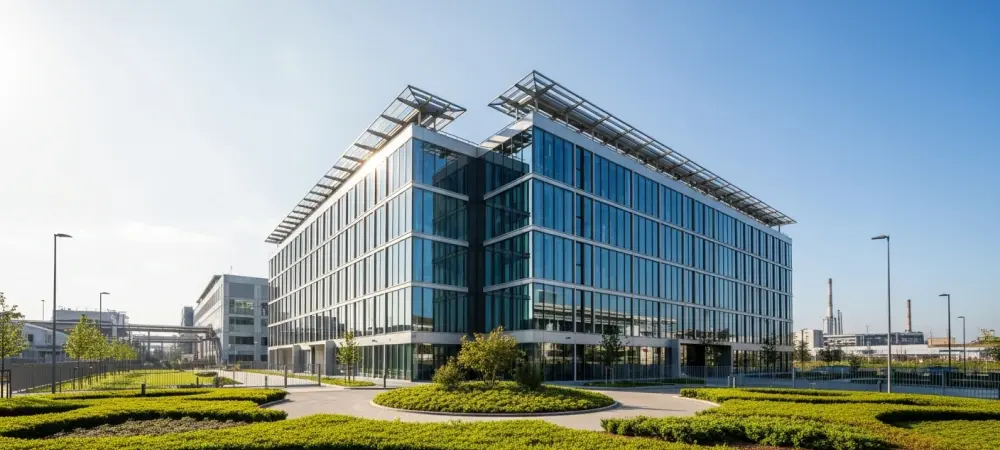
Italy digital landscape is undergoing a radical transformation as industrial relics from the past century evolve into the backbone of the modern artificial intelligence economy. The telecommunications giant Retelit has officially broken ground on a sophisticated data center in Corsico, situated just southwest of Milan. This ambitious project represents a cornerstone of a broader three-year investment strategy valued at approximately 350 million dollars, specifically designed to modernize and fortify the digital infrastructure of the nation. By repurposing a massive industrial site previously owned by the steelmaker Marcegaglia, the company is bridging the gap between traditional manufacturing and the future of high-performance computing.
The objective of this exploration is to address the most pressing questions regarding this development and to examine how it aligns with global technological shifts. Readers can expect a detailed overview of the technical specifications, the environmental considerations involved in such a large-scale build, and the strategic implications for the Mediterranean region. As the demand for localized data processing grows, understanding the mechanics of this 193,750-square-foot facility becomes essential for stakeholders and industry observers alike.
Key Questions Regarding the New AI Infrastructure
What Distinguishes the Corsico Facility From Traditional Data Centers?
Modern artificial intelligence workloads require significantly higher power densities and specialized hardware compared to standard cloud computing tasks. The Corsico project addresses these specific needs by constructing two identical buildings that provide a combined capacity of 13.6 megawatts. This design ensures that the infrastructure can handle the immense thermal and electrical loads generated by the latest generation of AI servers, which often operate at much higher temperatures than legacy systems.
Beyond raw power, the architecture is engineered for scalability and redundancy, allowing for seamless integration into the existing network. By focusing on high-density environments from the design phase, the facility avoids the performance bottlenecks that often plague older centers attempting to host AI applications. This purposeful engineering makes the site a critical asset for businesses looking to deploy complex machine learning models within a secure and optimized environment.
How Does the Project Balance Technological Growth With Environmental Responsibility?
Large-scale data processing typically consumes vast amounts of electricity and water, prompting concerns about the ecological footprint of digital expansion. To counter these challenges, the design incorporates a closed-loop water cooling system that prevents the depletion or contamination of local groundwater resources. Furthermore, the implementation of advanced liquid cooling technologies allows for more efficient heat management, significantly reducing the energy required to keep high-heat AI processors at operational temperatures.
Sustainability is further enhanced through a sophisticated waste heat recovery system that captures thermal energy from the servers. This heat is redirected to power local district heating networks, providing a practical benefit to nearby homes and businesses while minimizing atmospheric heat pollution. Such a brownfield redevelopment approach, which revitalizes an existing industrial footprint rather than clearing green space, has established the project as a strategic model for urban regeneration in the Milanese suburbs.
What Is the Strategic Significance of This Investment for the Region?
The expansion into Corsico is not an isolated event but a key component of the Avalon Campus, currently the largest neutral colocation ecosystem in the country. By hosting over 170 operators and content providers, this network facilitates high-speed connectivity and data exchange across the Mediterranean. This initiative follows the successful integration of former BT Italy operations, which expanded the fiber network and provided the necessary foundation for this new level of digital sovereignty. By establishing such a robust hub, the project secures a central role for the country in the global digital economy, ensuring that sensitive data and critical processing remain within national borders. This strategic positioning attracts international investment and fosters a competitive environment for tech startups and established enterprises. The facility serves as a gateway for data traffic between Europe and Africa, reinforcing the regional importance of the Milanese tech corridor.
Summary: Key Takeaways of the Corsico Project
The construction of the Corsico data center signifies a major leap forward in the capability of the regional infrastructure to support the burgeoning AI economy. With a 13.6-megawatt capacity and a focus on high-density computing, the facility is prepared to meet the rigorous demands of modern technology while adhering to strict environmental standards. The integration of liquid cooling and waste heat recovery demonstrates a commitment to sustainable growth that benefits both the industry and the local community.
The project reinforces the strategic value of the Avalon Campus, positioning it as a primary hub for digital connectivity in the Mediterranean. By repurposing an old steel manufacturing site, the development showcases how industrial history can be leveraged to build a high-tech future. This investment not only enhances national digital sovereignty but also provides the necessary tools for businesses to innovate in an increasingly data-centric world.
Conclusion: Final Thoughts on Digital Evolution
The transition from steel production to high-performance data processing in Milan served as a powerful testament to the changing economic priorities of the decade. The facility proved that industrial growth did not have to come at the expense of environmental health, provided that innovative engineering was prioritized from the outset. Stakeholders who monitored this development gained valuable insights into how infrastructure could be adapted to meet the specific requirements of artificial intelligence while maintaining a focus on urban sustainability.
Moving forward, the success of such projects will likely depend on the continued integration of green energy initiatives with high-density computing needs. As the global demand for AI capacity continues to climb, the Corsico model offered a blueprint for how other regions could revitalize dormant industrial zones. This approach suggested that the future of digital infrastructure would be defined not just by speed and power, but by the ability to coexist harmoniously with the surrounding community and environment.