

Setting the Stage for a Tech Revolution in North Carolina
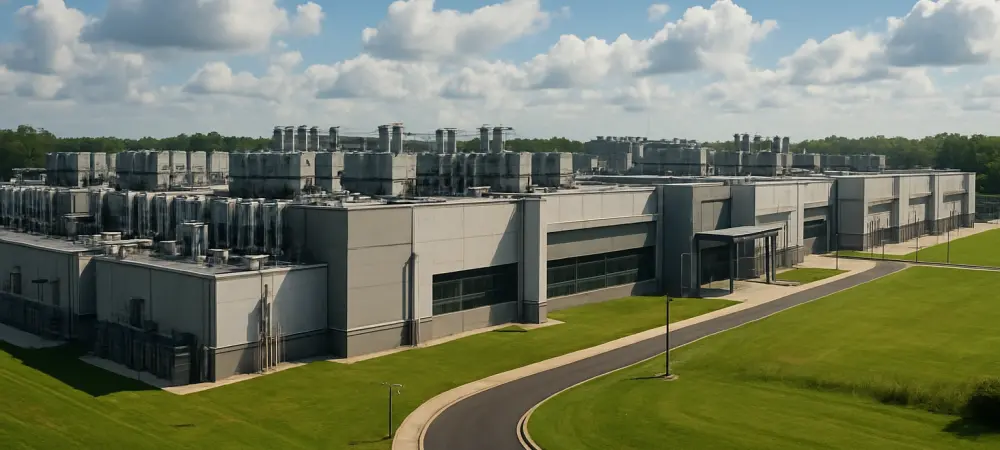
In a striking move that underscores the growing importance of digital infrastructure, Amazon has committed a staggering $10 billion to develop a massive data center campus in Richmond County, North Carolina, marking one of the largest investments of its kind in the state’s history. This project signals a transformative shift in the regional tech landscape, positioning North Carolina as a potential powerhouse in the southeastern United States. The project’s unveiling at Energy Way Industrial Park has sparked intense interest among stakeholders, highlighting the critical role of data centers in powering cloud computing and artificial intelligence.
The significance of this development extends beyond mere infrastructure. It represents a pivotal opportunity for economic growth, job creation, and technological advancement in a state historically rooted in traditional industries. As data centers become the backbone of the digital economy, understanding the market implications of Amazon’s investment is essential for businesses, policymakers, and investors alike. This analysis explores the trends, data, and projections surrounding the project, shedding light on its potential to redefine North Carolina’s position in the global tech market.
Unpacking the Market Dynamics of Amazon’s Investment
Economic Ripple Effects and Workforce Expansion
Amazon’s $10 billion data center campus is poised to inject significant economic vitality into Richmond County, a predominantly rural area with limited high-tech opportunities. The project promises to create 500 permanent jobs, spanning roles in engineering, IT, and facility management. This influx of employment is expected to stimulate local economies through increased demand for housing, retail, and services, creating a multiplier effect that could benefit surrounding regions.
Beyond direct job creation, the investment is likely to attract ancillary businesses and talent to the area, fostering a burgeoning tech ecosystem. Richmond County has extended substantial tax incentives to Amazon, including a 50 percent reduction in property taxes and a 65 percent relief on personal property taxes over 20 years. While these concessions may strain short-term local revenues, they reflect a strategic bet on long-term economic growth, potentially setting a precedent for how rural areas can compete for tech investments.
Market projections suggest that such large-scale projects often catalyze population growth and infrastructure development. However, the absence of state-level incentives from North Carolina raises questions about the scalability of public support for similar initiatives. If successful, this model could encourage other tech giants to explore untapped markets, reshaping economic patterns across the state.
Energy Consumption and Sustainability Challenges
A critical factor influencing the market viability of Amazon’s data center is its enormous energy demand. Positioned near the Sherwood H. Smith Jr. Energy Complex, a Duke Energy facility with over 2.24 gigawatts of capacity from natural gas turbines, the campus benefits from proximity to a robust power source. Yet, the lack of transparency regarding the energy mix and sustainability measures casts a shadow over the project’s environmental footprint, a growing concern in tech infrastructure markets.
Data centers are notorious for their high energy consumption, often drawing scrutiny for contributing to carbon emissions. Competitors like Google and Microsoft have set ambitious goals to power their facilities with renewable energy, creating market pressure for Amazon to adopt similar practices. Should the Richmond County campus rely heavily on non-renewable sources without mitigation strategies, it risks reputational damage and regulatory challenges, potentially impacting investor confidence.
From a market perspective, adopting green technologies could position Amazon as a leader in sustainable tech infrastructure, appealing to environmentally conscious consumers and stakeholders. Analysts predict that sustainability will become a key differentiator in the data center market over the next decade, influencing where companies choose to invest and how they are perceived. North Carolina’s ability to support renewable energy integration will be crucial in maintaining its attractiveness to tech firms.
Establishing a Southeastern Cloud Computing Powerhouse
The strategic importance of Amazon’s data center lies in its potential to establish North Carolina as a central hub for cloud computing in the southeastern United States. Amazon Web Services (AWS) currently lacks a dedicated public cloud region in the state, meaning regional businesses and government entities often depend on distant hubs for critical services. With plans for up to 20 buildings, each exceeding 200,000 square feet, this campus could significantly reduce latency and enhance service reliability for local users.
Market trends indicate a growing demand for decentralized cloud infrastructure, as companies seek to bring digital services closer to end-users. This shift is expected to drive growth in edge computing and localized data processing, sectors where North Carolina could gain a competitive edge. However, challenges such as cybersecurity risks and the need for robust digital connectivity must be addressed to fully capitalize on this opportunity.
Analysts project that the presence of a major AWS facility could attract smaller tech firms and startups to the region, creating a clustering effect that boosts innovation. Yet, the market impact hinges on complementary investments in education, broadband access, and regulatory frameworks. Without these, the data center risks becoming an isolated asset rather than a catalyst for widespread technological advancement, a lesson drawn from other regions with similar projects.
Future Projections for North Carolina’s Tech Sector
Looking ahead, Amazon’s investment is likely to accelerate several key trends in North Carolina’s tech market. The demand for skilled labor in cloud computing, AI, and cybersecurity is projected to surge, prompting partnerships between tech companies and educational institutions to bridge talent gaps. Over the next few years, from 2025 to 2030, the state could see a significant uptick in tech-related training programs and university collaborations.
Technological advancements such as 5G integration and edge computing are expected to gain momentum, fueled by the infrastructure provided by large-scale data centers. Economically, North Carolina may face evolving regulatory landscapes, particularly around energy policies and data privacy, which could shape the operational environment for tech giants. Market forecasts suggest that within a decade, the state could rival established tech hubs if it leverages this investment to build a comprehensive digital ecosystem.
Speculatively, the project might prompt competitors like Google or Microsoft to consider similar investments in the region, intensifying competition and driving innovation. This competitive dynamic could lower costs for consumers and spur technological breakthroughs, further solidifying North Carolina’s market position. The long-term trajectory will depend on balancing rapid growth with sustainable practices and equitable access to digital resources across urban and rural divides.
Reflecting on Market Insights and Strategic Pathways
Looking back, the analysis of Amazon’s $10 billion data center campus in Richmond County revealed a multifaceted impact on North Carolina’s tech market, from economic boosts and job creation to energy challenges and cloud computing potential. The project stood as a landmark investment that reshaped regional dynamics, drawing attention to both opportunities and hurdles. Its role in positioning the state as a southeastern tech leader was evident, though not without complexities.
Moving forward, strategic actions are imperative to maximize the benefits of this development. Businesses and local governments need to prioritize workforce training initiatives to prepare residents for emerging tech roles, while advocating for sustainable energy policies to address environmental concerns. Investments in broadband infrastructure are essential to ensure rural areas like Richmond County share in the digital prosperity. For industry players, focusing on cybersecurity and renewable energy integration offers a pathway to maintain a competitive advantage. These steps, if taken, promise to transform this investment into a lasting foundation for North Carolina’s tech market growth.