

Introduction
The rapid proliferation of artificial intelligence across the global economy has transformed data centers from simple storage hubs into the high-performance engines of modern industry. Pure Data Centres has reached a critical milestone by launching the final major construction phase of its LON01 Brent Cross campus in North London. By developing the B2 facility, the operator addresses the specialized requirements of high-density AI inference and cloud workloads. This phase marks a significant transition into structural works, where the massive scale of the campus expansion will eventually support regional growth. The project underscores the importance of having ready-to-use digital resources in a competitive global market.
Key Questions or Key Topics Section
What Role Does the B2 Facility Play in London’s AI Evolution?
The addition of the B2 facility represents a massive leap in local capacity, adding over 23,000 square meters of operational space to the existing site. This 70MW project is specifically engineered to accommodate the intense power requirements of modern processors. When the facility is ready in 2029, the entire campus will reach a total capacity of 90MW, making it a central pillar for digital services in the capital.
Building within a constrained urban environment like Brent Cross requires precise logistical management. Glencar has started piling works for the West Shell to integrate these new structures into the live campus. This development ensures that the metropolitan area remains competitive as businesses shift toward advanced machine learning models that require proximity to urban centers.
How Does Liquid Cooling Address the Heat Demands of AI Hardware?
Traditional air-cooling methods often struggle with the thermal output of high-performance AI chips used in modern inference. To mitigate this, the new facility utilizes advanced closed-loop liquid cooling technology. This system allows for higher rack densities, ensuring that the hardware can operate at peak efficiency without the risk of overheating or performance throttling.
Moreover, this cooling strategy supports the broader move toward sustainable operations across the network. By managing heat more effectively, the facility reduces energy waste, which is vital for maintaining a stable power grid in North London. The implementation of such technology highlights the shift from generic cloud storage to specialized, high-intensity computing environments.
Can Massive Data Infrastructure Coexist With Urban Environmental Goals?
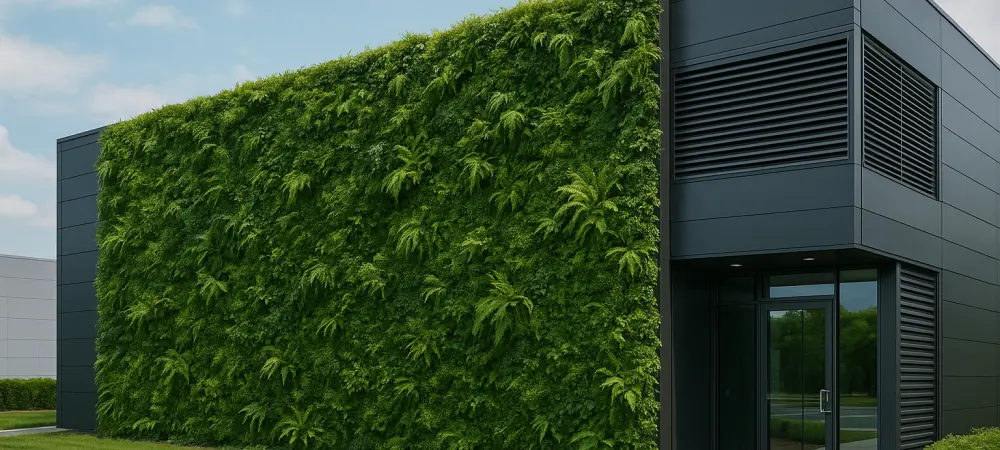
Environmental sustainability remains a core concern for large-scale developments located in dense metropolitan areas. The Brent Cross site features a living wall containing over 750,000 plants, which serves as a benchmark for green infrastructure in the technology sector. This feature helps improve local air quality and provides a natural aesthetic to an otherwise industrial structure.
This commitment to the environment does not compromise the technical capabilities of the data center. Instead, it demonstrates how operators can balance the need for high-density power with ecological responsibility. Such initiatives are becoming essential as planning regulations and public expectations for green building standards become more stringent.
Summary or Recap
Pure Data Centres bridges the gap between industrial power and urban integration through these strategic expansions. Beyond the Brent Cross site, the development of a 56MW facility in Park Royal shows the operator’s intent to dominate the London market. These projects collectively bolster the digital backbone of the region, ensuring that high-performance capacity remains accessible for critical tasks.
Conclusion or Final Thoughts
The focus shifted toward long-term resilience and the necessity of preparing for even higher computational densities. Stakeholders recognized that future-proofing infrastructure meant investing in liquid cooling and sustainable architecture before the demand peaked. This strategic trajectory provided a clear path for navigating the complexities of modern urban development while supporting global technological progress.