

The industrial landscape of Milam County is currently undergoing a profound metamorphosis as the remnants of heavy manufacturing give way to the relentless demands of the digital age. Bitdeer Technologies Group recently committed one hundred million dollars to secure a two-hundred-acre parcel within a former Alcoa aluminum smelting plant, marking a definitive pivot from its origins in cryptocurrency mining toward the burgeoning fields of artificial intelligence and high-performance computing. This strategic acquisition, situated adjacent to the existing Rockdale data center, allows the firm to consolidate its operational footprint while mitigating the financial risks associated with long-term land leases. By transitioning to outright ownership, the company establishes a permanent foundation for its specialized neocloud services, which are designed to support the intensive computational workloads required by modern generative AI models and large-scale data processing systems across the global technology sector in 2026.
Infrastructure Development: Scaling the Power Pipeline
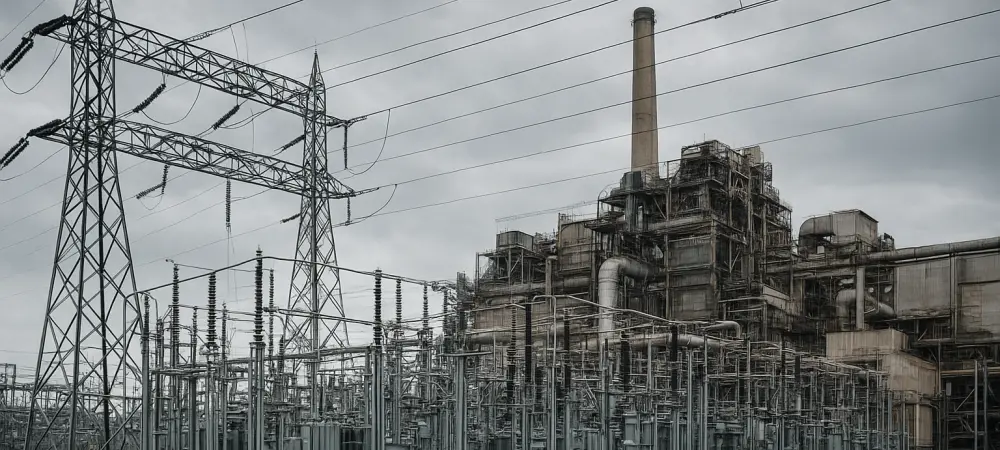
Securing high-voltage power remains the primary bottleneck for technological expansion in the current market, making the existing infrastructure at the Rockdale site an invaluable asset for long-term growth. Bitdeer currently manages approximately five hundred and sixty-three megawatts of interconnected grid capacity, with a clear engineering roadmap to scale these operations up to seven hundred and forty-two megawatts in the near term. This massive energy pipeline is supported by a sophisticated network of transmission lines and substations originally built to power the energy-intensive aluminum smelting process of the previous century. CFO Michael G. Potter has emphasized that the Rockdale location is the most well-connected node in their portfolio, providing the reliability necessary for enterprise-grade AI applications. The ability to leverage this legacy industrial power grid gives the company a significant head start over competitors trying to build new sites from scratch in a tightening utility market.
Service Evolution: Transitioning to Artificial Intelligence
Global operations for the firm have expanded to include a three-gigawatt power pipeline spanning diverse geographical regions including Norway, Canada, and Ohio. While these sites were once the exclusive domain of Bitcoin mining, they are currently undergoing extensive retrofitting to accommodate the cooling and networking requirements of high-performance computing clusters. This diversification strategy reflects a broader industry trend where specialized hardware for crypto is being augmented or replaced by powerful graphics processing units and tensor processing units. The integration of these advanced systems into the existing Texas facility transforms it from a single-use mining farm into a multifaceted computational hub. As the demand for cloud-based AI resources continues to outpace supply, the repurposing of these industrial zones provides a sustainable path for scaling up hardware without the delays often associated with greenfield development projects throughout the region.
Strategic Results: Long-Term Industrial Repurposing
The successful transition from a legacy aluminum plant to a cutting-edge digital hub represented a critical milestone in the evolution of industrial land use in the United States. Stakeholders recognized that the next logical steps involved the implementation of advanced liquid cooling technologies and the integration of on-site renewable energy generation to offset the massive power draw. This move into high-performance computing allowed the company to offer specialized neocloud services to a broader range of enterprise clients. By securing the physical infrastructure and power rights in Milam County, the organization established a blueprint for other firms seeking to repurpose distressed industrial assets. The project successfully addressed the immediate need for specialized data centers while providing a scalable solution for future software development. These initiatives ensured that the facility remained a competitive force in the global compute market while fostering regional economic growth.