

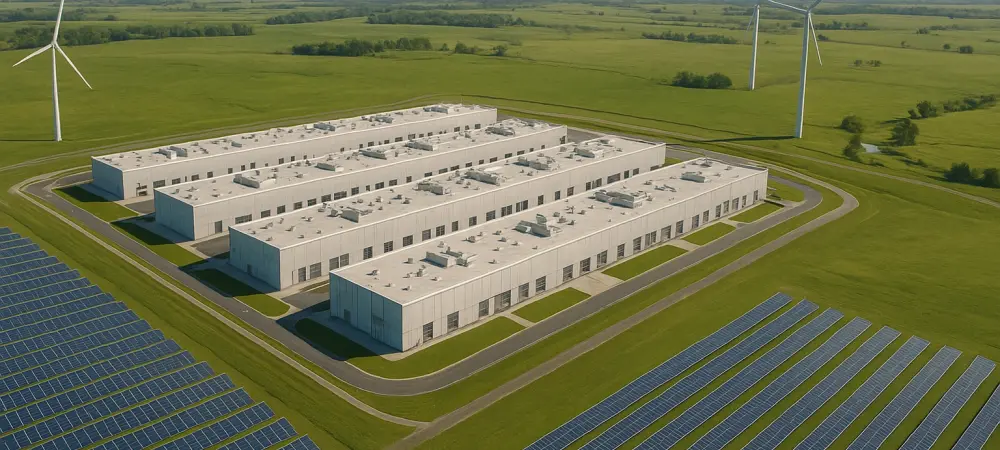
Traditional site selection criteria like low latency and tax incentives are being replaced by the urgent need to secure a stable and immediate grid connection. This shift reflects a profound change in how the technology industry views its physical presence. As artificial intelligence models grow in complexity, the hardware required to train and run them consumes resources at a rate that challenges existing infrastructure. Global data centers currently represent a localized yet massive demand on energy and water systems that were often designed for a pre-digital age. This discrepancy creates a friction point where technological ambition meets planetary boundaries. By examining the geographical nuances of these facilities, it becomes clear that the impact is not uniform. A data center in a renewable-rich region is fundamentally different from one in a coal-dependent area. Understanding these distinctions is vital for developing a sustainable digital future that supports innovation while protecting delicate ecosystems and finite natural resources.
The Energy Crisis and Grid Reliability
Analyzing Power Concentration: Carbon Intensity and Local Demand
The nature of data center energy consumption has evolved from a distributed network of smaller server rooms into massive, concentrated “point-source” demands. A single modern AI training facility can now pull over 100 megawatts from the grid, which is equivalent to the power consumption of roughly 80,000 homes. This intensity creates unique challenges for utility providers who must balance this massive load without compromising the stability of the surrounding grid. In regions like Ireland, data centers now account for over 20% of the national electricity use, up from just 5% a decade ago. This concentration means that localized failures or surges can have systemic consequences. Unlike the gradual increase in residential demand, the rapid activation of a single hyperscale facility can force utilities to keep aging fossil-fuel plants operational just to ensure reliable service. This reliance on legacy systems to support cutting-edge technology highlights the growing tension between rapid digital expansion and the slower transition to sustainable energy infrastructure.
While many tech giants claim carbon neutrality through the purchase of renewable energy credits, the physical reality of electrons on the grid tells a different story. The carbon intensity of a megawatt-hour is dictated by what is actually burning at the time of demand. In many markets, renewable energy production is intermittent, and when the wind isn’t blowing or the sun isn’t shining, these energy-hungry facilities must draw from natural gas or coal power. This leads to a persistent gap between corporate sustainability goals and the actual emissions profile of the facilities. Furthermore, the massive power requirements of AI chips have pushed the industry toward liquid cooling and higher-density racks, which only increases the strain on the electrical equipment. As global demand is projected to double by 2030, the ability of local grids to integrate new solar and wind capacity quickly enough to meet this surge remains a significant hurdle. Without a radical acceleration in grid modernization, the digital boom risks locking in decades of fossil fuel reliance in specific regions.
Managing Grid Stability: Fossil Fuel Reliance and Peak Loads
To maintain the high uptime required for modern digital services, data centers must ensure a constant flow of electricity, regardless of whether the local grid is operating on green energy or fossil fuels. This necessity often leads to a phenomenon where data center growth outpaces the decommissioning of old coal and gas plants. In some jurisdictions, utilities have been forced to delay the retirement of carbon-intensive facilities specifically to meet the projected load of new hyperscale campuses. This creates a significant environmental paradox: the very technology intended to solve global challenges like climate change is, in the short term, prolonging the use of the most damaging energy sources. The concentrated nature of this demand also complicates the use of demand-response strategies, as AI training workloads are often difficult to pause or shift to off-peak hours without significant financial or operational penalties. Consequently, the industry remains a primary driver of sustained demand for 24/7 “baseload” power, which is currently most often provided by natural gas.
The introduction of large-scale battery storage and on-site hydrogen fuel cells offers a potential path away from this fossil fuel dependency, but adoption has been slow compared to the pace of server deployment. While some operators are beginning to experiment with using their backup batteries to support grid stability during peak times, these initiatives are still in their infancy. Most facilities continue to rely on diesel generators for emergency backup, adding another layer of localized air pollution and carbon emissions during testing and outages. The transition to a truly green grid requires more than just building more wind turbines; it requires a fundamental redesign of how large-scale industrial consumers interact with the energy system. Until data centers can move from being passive consumers to active participants in grid balancing, their impact on local carbon intensity will remain high. The industry’s future footprint depends on its ability to synchronize massive energy needs with the fluctuating availability of clean power, rather than forcing the grid to adapt to its unrelenting demand.
Hydrological Stress and Resource Management
Evaluating Water Scarcity: Local Ecosystems and Cooling Needs
Water consumption is often the invisible twin of energy use in the data center industry, particularly in the arid regions where many facilities are currently being built. To prevent chips from overheating, operators frequently rely on evaporative cooling systems that can use millions of gallons of potable water every day. This creates a direct conflict with local communities, especially in places like the Colorado River Basin or parts of Texas, where water scarcity is an ongoing crisis. The ethical implications of prioritizing server cooling over agricultural or municipal needs are increasingly becoming a focus for local regulators. It is not merely the volume of water used that matters, but the source from which it is drawn. Withdrawing millions of gallons from a stressed aquifer in Arizona has a far more devastating environmental impact than utilizing the same volume in a region with high rainfall and abundant surface water. This geographic context is frequently ignored in high-level sustainability reports, masking the true ecological cost of operating in drought-prone areas.
The pressure on local water resources is compounded by the fact that data centers are often clustered together, leading to a massive cumulative draw from the same watershed. In some instances, the water required to cool a single data center cluster can exceed the annual consumption of a medium-sized town. While some companies have committed to “water positive” goals—meaning they intend to restore more water than they consume—the implementation of these programs often takes place in different watersheds than where the consumption occurs. This spatial mismatch does little to alleviate the immediate stress on local ecosystems where the data centers operate. Furthermore, as global temperatures continue to rise, the efficiency of traditional air-cooling methods decreases, forcing facilities to rely even more heavily on water-intensive evaporative systems during heatwaves. This feedback loop means that the industry’s water demand is highest exactly when local supplies are most vulnerable, creating a significant risk for both the environment and the long-term viability of the facilities themselves.
Impact on Biodiversity: Thermal Pollution and Watershed Health
The hydrological impact extends beyond the withdrawal of water to the quality and temperature of the water returned to the environment. Many cooling systems discharge water back into local watersheds at significantly higher temperatures than when it was extracted. This thermal pollution can be lethal to local fish species and disrupt the delicate balance of aquatic ecosystems by encouraging the growth of harmful algal blooms. Additionally, the chemicals used to prevent scaling and bacterial growth in cooling towers can find their way into groundwater if not properly managed. These factors illustrate why traditional metrics like Power Usage Effectiveness are insufficient for measuring total environmental health. A facility might be highly energy-efficient but remain ecologically destructive if it causes long-term damage to local biodiversity through water mismanagement. Protecting these watersheds requires a holistic approach that moves beyond internal efficiency toward a restorative model where data centers contribute to, rather than deplete, the resilience of the local water cycle and surrounding habitats.
Beyond the immediate chemical and thermal impacts, the sheer volume of water processing can have mechanical effects on local aquatic life. Intake systems, if not properly screened, can trap and kill small organisms, including larval fish and essential invertebrates that form the base of the food chain. This hidden ecological toll is rarely discussed in corporate sustainability circles but represents a tangible loss of local biological capital. In regions with sensitive wetlands or protected estuaries, the continuous extraction and discharge of industrial-scale volumes of water can alter local flow patterns, leading to erosion or siltation that degrades vital nesting grounds. As the industry expands into new territories, the lack of standardized environmental regulations regarding cooling water discharge allows for wide variability in how these risks are managed. Ensuring the long-term health of local watersheds requires the adoption of closed-loop cooling technologies that eliminate water consumption entirely, even if such systems are more expensive to build or slightly less energy-efficient.
Infrastructure and the Broader Footprint
Mapping Supply Chains: Land Transformation and Habitat Health
The physical presence of a data center creates a footprint that extends far beyond the perimeter fence of its campus. Construction requires vast quantities of concrete and steel, both of which are among the most carbon-intensive materials used in modern industry. Beyond the building itself, the supporting infrastructure—including new substations, miles of high-voltage transmission lines, and access roads—results in significant land-use changes. This development often leads to habitat fragmentation, where once-contiguous natural areas are carved into smaller, isolated patches. For many wildlife species, these barriers can disrupt migration paths and reduce the genetic diversity of local populations. The conversion of greenfield sites into industrial zones also impacts the soil’s ability to sequester carbon and manage stormwater, potentially leading to increased runoff and erosion. These long-term changes to the landscape are rarely captured in annual sustainability reports, yet they represent a permanent alteration to the local environment that must be weighed against the economic benefits of digital development.
Urban and suburban sprawl driven by data center clusters also places unexpected burdens on local municipal services. As these massive structures are built, they often require the leveling of large tracts of land, which can destroy local flora and disrupt the natural drainage of the area. In many cases, the high demand for land near fiber-optic backbones leads to the clearing of forests or the conversion of productive agricultural land into paved industrial zones. This not only reduces local biodiversity but also contributes to the “urban heat island” effect, as the vast rooftops and paved surfaces absorb and radiate heat. To mitigate these impacts, some developers are beginning to explore “brownfield” redevelopment—reusing old industrial sites rather than building on untouched land—but the scale of current demand often makes greenfield development the faster and more attractive option. Without stricter land-use policies that prioritize the preservation of ecological corridors, the rapid expansion of digital infrastructure will continue to contribute to the global decline of natural habitats and the services they provide.
The Hidden Life Cycle: Hardware Manufacturing and Waste
Upstream from the construction site, the environmental burden includes a global network of mineral extraction and high-precision manufacturing. The semiconductors that power AI are the product of some of the most energy-intensive processes in the world, requiring ultra-pure water and hazardous chemicals for their production. Rare earth minerals used in hardware are often mined in regions with lax environmental regulations, leading to significant soil and water contamination far from where the servers are eventually housed. This means that the environmental damage of a data center is effectively exported to other parts of the globe. To accurately assess the total damage, analysts must adopt a lifecycle perspective that tracks every component from the mine to the recycling center. As the turnover of server hardware accelerates to keep pace with AI advancements, the volume of electronic waste also grows, posing further risks if components are not properly reclaimed. Addressing these hidden costs requires a systemic shift in how the industry manages its supply chain, focusing on circularity and the reduction of virgin material usage.
The disposal of decommissioned hardware presents a significant challenge for the industry’s sustainability goals. While many large operators have sophisticated recycling programs, the complexity of modern servers makes them difficult to process. Many components contain toxic substances like lead, mercury, and cadmium, which can leak into the environment if not handled with extreme care. Furthermore, the practice of frequent hardware refreshes—driven by the need for more efficient and powerful AI processors—creates a constant stream of waste that outpaces current recycling capacity. This “linear” model of consumption is unsustainable in the long term. A move toward modular server designs, where individual components can be upgraded without discarding the entire unit, could significantly reduce the lifecycle footprint of these facilities. However, such designs require industry-wide standards that do not yet exist. Until the technology sector addresses the environmental costs of its manufacturing and disposal processes, its claim to a green future will remain incomplete, as the digital revolution continues to rely on a traditional, extractive industrial foundation.
Strategic Site Selection and Future Sustainability
Shifting Development Priorities: Speed Versus Ecological Stability
Historically, the logic of site selection was driven by business-centric variables such as low latency to financial hubs and aggressive tax incentives. This led to the massive concentration of data centers in Northern Virginia, which currently processes a staggering percentage of the world’s internet traffic. However, this level of density has reached a tipping point where the local power grid can no longer easily accommodate new connections. Developers are now forced to look toward secondary and tertiary markets, but the race to secure power often bypasses critical environmental considerations. The “speed to power” mindset prioritizes the fastest available grid connection over the long-term sustainability of the local energy mix. In markets like Texas, the promise of cheap land and deregulated utilities has attracted massive investment, but the state’s grid instability and water stress present significant risks to both operations and the environment. This shift indicates that the industry is at a crossroads, where the ease of doing business is increasingly at odds with the physical limits of the infrastructure.
The rapid move into new markets often leaves local regulators struggling to keep pace with the scale of proposed developments. In many instances, the environmental impact assessments used for traditional industrial projects are inadequate for the unique, concentrated demands of a hyperscale data center. This can lead to the approval of projects in areas that lack the long-term water or energy resilience to sustain them. For example, some regions are seeing a surge in data center applications despite facing projected power shortages for residential use. This competition for resources can lead to public backlash and tighter regulations, which in turn drives developers to seek out even more remote locations with even fewer protections. To break this cycle, the industry must adopt a more proactive approach to environmental due diligence, one that accounts for the cumulative impact of multiple facilities in a single region. Prioritizing long-term ecological stability over immediate operational speed is not just a moral choice; it is essential for avoiding the regulatory and logistical bottlenecks that now plague traditional data center hubs.
Systemic Placement: Integrating Infrastructure With Natural Systems
The concept of “systemic placement” is emerging as the necessary evolution for the industry to achieve true sustainability. This approach involves locating data centers in regions where they can serve as a benefit to the grid rather than a burden. For example, building facilities in the Nordic countries allows for the use of natural cool air and abundant geothermal or hydroelectric power, significantly reducing the environmental footprint. In some forward-thinking projects, the waste heat generated by servers is being captured and redirected into municipal district heating systems, turning a byproduct into a valuable community resource. This level of integration requires deep cooperation between tech companies, local governments, and utility providers to ensure that digital infrastructure is built in harmony with ecological realities. By moving away from overstretched markets and toward regions with a surplus of renewable energy and water, the industry can support the ongoing AI revolution while minimizing its impact. The transition to this model is not just an environmental necessity but a strategic requirement for long-term operational resilience.
Integrating data centers into the circular economy also involves rethinking their role as energy consumers. New facilities are being designed to act as “virtual power plants,” capable of feeding electricity back into the grid from their on-site storage systems during times of high demand. This transforms the data center from a constant drain on resources into a tool for grid stabilization. Furthermore, the use of advanced AI to manage the facility’s own resource consumption can lead to significant reductions in water and energy use. However, these technological solutions must be paired with better geographical choices. A highly efficient facility located in a region with a fragile grid or scarce water remains a liability. The most sustainable data centers of the future will be those that are intentionally placed where their presence supports local environmental goals, such as by funding the expansion of regional renewable energy or participating in local water restoration projects. By aligning technological growth with regional ecological capacity, the industry can ensure that the infrastructure of the future does not come at the expense of the planet’s fundamental stability.
The era of treating data centers as isolated, digital assets has ended, as the physical reality of their resource consumption has become impossible to ignore. In the recent past, the industry successfully implemented cooling optimizations and chip-level efficiency gains that slowed the growth of its total carbon footprint. However, the current scale of AI deployment has rendered these internal improvements insufficient to offset the sheer volume of new demand. The path forward demands a commitment to radical transparency regarding localized environmental impacts, moving beyond global averages to site-specific reporting. Stakeholders should prioritize the retrofitting of existing facilities with heat-recovery systems and the deployment of long-duration energy storage to mitigate grid strain. Furthermore, future development must be strictly contingent on the availability of non-potable water sources and the direct funding of new renewable energy projects rather than relying on existing capacity. By aligning technological growth with regional ecological capacity, the industry can ensure that the infrastructure of the future does not come at the expense of the planet’s fundamental stability.