

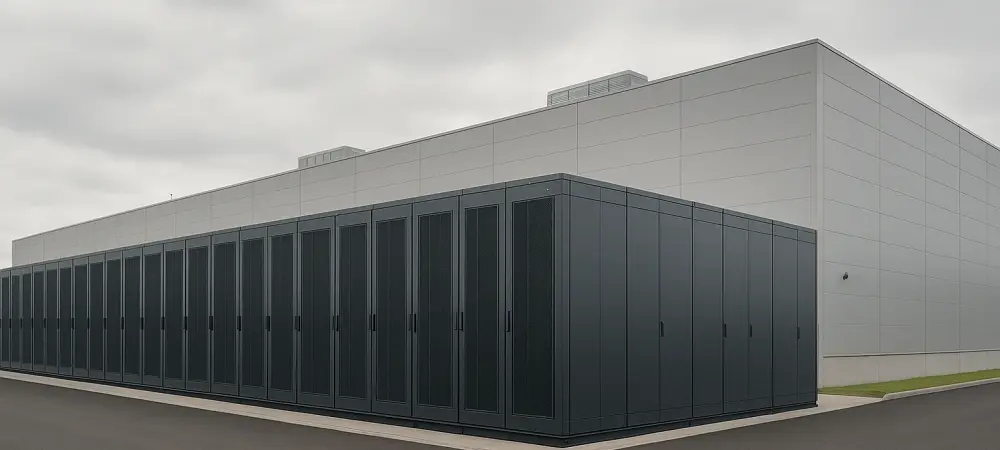
Ireland stands as the backbone of Europe’s digital heartbeat, yet the friction between rapid technological expansion and national resource preservation has never been more palpable. The Grange Castle Business Park serves as the focal point for this struggle, representing a critical node in Google’s European infrastructure. Key stakeholders, including the South Dublin County Council and EirGrid, must now balance massive industrial demand against the limits of national grid stability.
Navigating the High-Stakes Landscape of Ireland’s Digital Infrastructure
Ireland serves as a premier global hub for cloud computing and acting as a primary gateway for European data storage. However, the intersection of massive tech investments and the increasing pressure on energy resources has created a complex environment for growth. This tension requires stakeholders to navigate a landscape where industrial expansion often conflicts with the capacity of the national electricity grid.
Shifting Paradigms in the Global Data Center Market
Technological Evolution and the Surge in Cloud Demand
The rise of AI and search needs are transforming traditional storage into high-capacity digital ecosystems. Consumers expect low-latency cloud services as a standard, driving the need for massive expansions of existing facilities. Consequently, the transition to integrated digital platforms has made localized infrastructure more vital than ever.
Market Projections and the Economic Impact of Data Hubs
Google’s €500 million investment signals confidence in the digital economy even as we look toward projects beyond 2026. Growth indicators remain strong despite tightening resource availability, as modernization drives the market from 2026 to 2028. These hubs continue to contribute significantly to local economic stability through infrastructure investment.
Overcoming Structural Hurdles and the EirGrid Connection Constraint
A major hurdle remains the de facto moratorium on new grid connections through 2028. Google faced initial rejection in 2024 due to these constraints, highlighting the tension between industrial growth and grid capacity. Resolving this required reconciling massive industrial facilities with the strained capacity of the national electricity grid and addressing the lack of district heating.
Deciphering the Regulatory Framework and Compliance Mandates
An Coimisiún Pleanála overturned regional refusals by leveraging historical agreements. A crucial legal pivot was the grid capacity secured in 2021, exempting the project from newer restrictions. Regulators now demand sustainable fuels for backup generation and verifiable renewable energy usage through Power Purchase Agreements.
The Future Blueprint for Sustainable Hyper-Scale Development
Green-first infrastructure is now a prerequisite for planning approval. Modern designs must integrate biodiversity and ecological value into industrial sites to meet strict climate scrutiny. Additionally, corporate responsibility prioritizes staff transit programs and public transportation over traditional commuting to reduce environmental impact.
Evaluating the Strategic Outcome for Ireland’s Tech Ecosystem
The approval process demonstrated that balancing industrial growth with sustainability was achievable through meticulous planning. High-level infrastructure integration became a necessity for modern facilities rather than an optional feature. Developers focused on long-term resource security to mitigate the risks of a volatile power market. This outcome proved that strategic alignment with national infrastructure was the only viable path forward for the tech sector.