

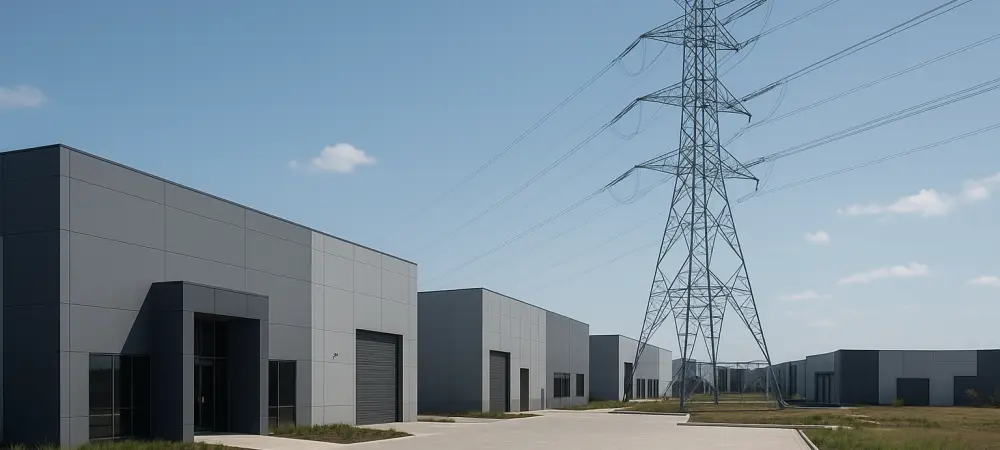
The vast, sun-drenched landscapes of the Riverina are undergoing a profound transformation as global tech demands push digital infrastructure away from traditional coastal strongholds toward the inland frontier. This movement represents a fundamental change in how the nation secures its digital sovereignty in the face of rising global competition. As the demand for artificial intelligence processing reaches a fever pitch, the focus has shifted from the glass towers of Sydney to the expansive industrial zones of regional New South Wales.
The Strategic Shift From Coastal Cities to the Riverina Heartland
The traditional dominance of Sydney and Canberra in the national digital landscape is facing a massive disruption. Metropolitan centers currently grapple with critical land scarcity and severe power grid congestion, making further large-scale development nearly impossible for providers. Wagga Wagga has emerged as the premier candidate for one of the largest infrastructure projects in history, signaling a move toward the inland plains.
This pivot toward the Riverina heartland reflects a definitive shift in infrastructure priorities. By moving away from the coast, providers can access the vast space required for gigawatt-scale campuses that are simply unfeasible in urban environments. This transition ensures that the digital future is not constrained by the physical limitations of existing hubs, allowing for a more robust network.
Why Regional Diversification Is Reshaping the Australian Digital Economy
The explosive surge in cloud computing and generative AI has pushed urban data hubs to their electrical limits. In response, infrastructure leaders are seeking sites that offer a rare combination of large land parcels and direct access to high-voltage transmission lines. Regional diversification is now a strategic necessity to ensure national resilience and protect critical assets from localized disruptions.
Moving to areas like Wagga Wagga provides a unique opportunity to build at an unprecedented scale. These regional hubs alleviate pressure on city grids while fostering economic growth in previously underserved areas through high-tech investment. By distributing infrastructure, the nation achieves a more balanced digital economy that can support the next decade of evolution.
Inside the AU$15 Billion CDC Data Centres Proposal
The scale of the CDC Data Centres project is remarkable, involving a 103.4-hectare site at Gregadoo intended for a four-building mega-campus. These structures will encompass nearly 189,000 square meters, providing a staggering 1.4GW of total power capacity. The project represents a capital investment of approximately AU$15 billion, marking it as a cornerstone of regional industrial development.
Technical specifications highlight the necessity of the nearby TransGrid Wagga Terminal Station to fuel this massive energy appetite. To mitigate environmental concerns, the plan incorporates 13MW of on-site solar generation and advanced closed-loop cooling systems. These innovations ensure the facility remains sustainable in the semi-arid interior, transforming Wagga Wagga into a primary digital node.
Expert Perspectives on the Rise of the Mega-Campus
Industry analysts note that proximity to high-voltage grid connections has become the most valuable commodity in the tech sector. By securing locations within industrial clusters, companies follow a global trend where hyperscale facilities are built in secondary markets. This strategy satisfies the insatiable energy requirements of AI processing while maintaining operational efficiency.
Success from regional pioneers like Leading Edge DC suggests that the local climate offers a competitive advantage for natural cooling. Experts believe that the integration of large-scale infrastructure into regional Australia is the only viable path forward for the industry. This consensus emphasizes that the mega-campus model is the future of global data processing.
Strategies For Integrating Large-Scale Digital Infrastructure Into Regional Communities
Prioritizing grid proximity remained a non-negotiable requirement for choosing hub locations, as seen in the 0.8-mile distance to major substations. Utilizing established industrial zones helped minimize residential disruption and streamlined the approval process for massive construction. This approach ensured that technological investments coexisted harmoniously with the existing community fabric. Future-proofing through scalability was essential, with development pipelines extending from 2026 to 2034 to match evolving AI demands. Implementing self-sustaining energy and water management frameworks became the standard for ensuring that operations did not compete with local agricultural needs. These strategies provided a clear roadmap for how regional centers successfully transitioned into the backbone of the digital economy.