

Walking into a modern automotive dealership used to involve a specific kind of dread, one defined by hours of circular negotiation and the inevitable “let me check with my manager” stall tactic. This ritualistic friction, long considered a secondary component of the car-buying process, is rapidly disappearing as artificial intelligence and automated systems become the primary drivers of retail operations. As 2026 progress continues, the industry is witnessing a total reorganization of the showroom experience, moving away from archaic administrative bottlenecks and toward a model defined by extreme speed and radical transparency. This transformation is not merely a technological upgrade but a fundamental shift in the relationship between the buyer, the seller, and the software that facilitates their interaction. The shift toward automation is motivated by a significant gap in consumer expectations that became undeniable at the start of this decade. While nearly every other high-ticket retail sector adopted instantaneous fulfillment and transparent digital tracking, the automotive world remained tethered to physical paperwork and manual lead tracking. The current transition is bridging this divide, ensuring that the sophistication of the online research phase—where most buyers spend months—is mirrored the moment they engage with a dealership representative. This analysis explores how the synthesis of human expertise and machine efficiency is finally resolving the historical pain points of the car-buying journey.
The End of the Waiting Game in the Showroom
The traditional automotive sales floor once functioned on a clock of delay, where every query about pricing or trade-in value necessitated a consultation behind closed doors. Today, that friction has largely evaporated as the industry adopts sophisticated systems capable of delivering instantaneous, data-backed responses to consumer questions. The “waiting game” that defined the car-buying journey for decades is being dismantled by a new standard of transparency, where the gap between an initial inquiry and a final contract is measured in minutes rather than days. This evolution transforms the dealership from a place of high-stakes negotiation into a hub of digital-first facilitation, where the focus shifts toward providing value rather than simply executing a transaction.
Modern dealerships are replacing the classic “manager check” with real-time data accessibility that puts the salesperson and the customer on equal footing. Instead of making a buyer wait while a manager scans a spreadsheet for the latest auction values or factory incentives, automated valuation engines provide transparent, market-adjusted numbers on the spot. This immediate access to information creates a collaborative environment rather than a confrontational one, effectively removing the psychological barriers that often stall a sale. When the data is indisputable and available in an instant, the negotiation becomes a discussion of fit and lifestyle rather than a battle over hidden figures.
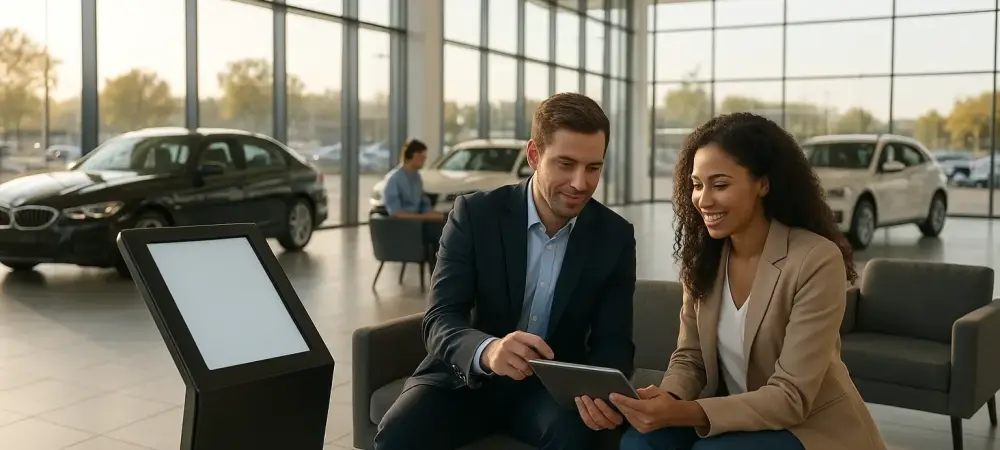
Furthermore, the transition of the car-buying journey from a high-friction chore to a streamlined experience is reshaping the layout of the physical dealership itself. Showrooms are becoming smaller and more lounge-like, reflecting the reality that the majority of the transactional work has already been completed via digital channels before the customer ever arrives. By the time a buyer steps onto the lot, automation has often handled the credit pre-approval, the trade-in assessment, and the final price quote. The showroom is no longer a theater for the “hard sell” but a professional center for product orientation and high-touch relationship building.
Why the Traditional Dealership Model Is Evolving
The economic necessity of this evolution is driven by a consumer base that has grown accustomed to the Amazon-like convenience of modern logistics. In 2026, the expectation for immediate gratification has permeated the automotive industry, forcing a move away from the “stop-and-start” momentum of traditional sales. Buyers no longer view a vehicle purchase as a separate category of commerce that deserves special tolerance for inefficiency; they expect the same level of digital integration they find in grocery delivery or electronics shopping. If a dealership cannot provide a coherent online-to-offline experience, it risks losing the high-intent shopper who values time as much as the vehicle itself.
Economic volatility and inventory fluctuations have also necessitated a more agile approach to lot management and lead handling. Managing thousands of units of inventory across multiple physical locations and complex digital marketplaces is a task that has long outgrown the capacity of manual spreadsheets. Dealerships must now manage diverse lead sources—ranging from social media and third-party aggregators to direct website chats—with a level of precision that prevents any opportunity from being lost in the noise. Automation acts as the connective tissue, ensuring that a shopper’s journey remains consistent regardless of where they first encountered the brand or which salesperson they eventually meet in person.
Additionally, the rising cost of human capital has made it essential to maximize the efficiency of every staff member on the floor. In a traditional model, a significant portion of a salesperson’s day was consumed by low-value tasks like cold-calling stale leads or manually entering contact information into a database. By automating these administrative chores, dealerships can maintain leaner, more specialized teams that focus exclusively on the high-touch aspects of the sale. This shift allows the business to remain profitable in a competitive market while simultaneously providing a superior level of service that justifies the continued relevance of the local franchise model.
The Pillars of the Automated Dealership Experience
The foundation of the modern automated experience starts with the revolution in customer communication via AI-powered assistants. These virtual representatives offer 24/7 responsiveness, handling the high-volume technical queries that often arrive well after the dealership has closed for the evening. Rather than providing generic automated responses, these systems use natural language processing to understand specific nuances about trim levels, towing capacities, or financing terms. By serving as an initial filtering mechanism, they ensure that the human staff is only handed “warm” leads that have been pre-qualified through a meaningful digital dialogue.
Strategic workflow automation takes this a step further by categorizing customer intent with surgical precision. Instead of treating every email inquiry with the same generic follow-up, the system prioritizes serious buyers who have engaged with specific financing tools or trade-in calculators. This allows the sales team to address the most urgent needs first, ensuring that a buyer ready to sign today is not kept waiting behind a casual browser. The automation handles the repetitive “drudge work” of appointment reminders and long-term follow-ups, maintaining a professional brand presence without requiring manual intervention for every message.
Large-scale personalization has become the new standard for the digital concierge experience. By analyzing a shopper’s browsing patterns—such as a repeated interest in family safety features or off-road capability—the AI can curate a selection of vehicles that match the user’s specific lifestyle. This reduces the search friction that often overwhelms consumers when faced with hundreds of inventory choices. Rather than asking the customer to search through static lists, the system proactively presents the most relevant options, creating a shopping journey that feels tailored to the individual’s needs and financial parameters.
Inventory management has similarly moved from intuition-based ordering to a data-driven science. Using predictive analytics, dealerships can now forecast local demand with remarkable accuracy, significantly reducing the occurrence of “dead stock” that occupies valuable lot space for months. These systems monitor real-time market fluctuations and auction prices to ensure that every vehicle on the lot is priced competitively and transparently. This dynamic pricing model allows for faster inventory turns and ensures the dealership is always stocking the specific configurations that local buyers are currently searching for.
Finally, precision marketing has replaced the broad outreach strategies of the past with automated, trigger-based lifecycle campaigns. From 2026 to 2028, the industry is focused on delivering hyper-relevant offers based on a vehicle’s actual usage data and ownership stage. A customer approaching a lease expiration or a specific mileage milestone receives a personalized invitation for a service or trade-in, rather than a generic monthly flyer. This level of relevance significantly increases the return on marketing investment by ensuring that the communication is viewed as a helpful service rather than an intrusive advertisement.
Insights from the Digital Showroom Floor
The most successful implementations of these technologies are built on a “support layer” philosophy, where the objective is to empower the sales professional rather than replace them. Sales staff now utilize real-time AI dashboards that provide them with the complete history of a customer’s digital interaction before the first handshake occurs. This allows the professional to pick up exactly where the online research left off, preventing the redundant questions that often frustrate modern buyers. The AI acts as an invisible assistant, pulling up technical data and competitive comparisons that help the salesperson address concerns with confidence and speed.
Transformation is also reaching deep into the service bay through the use of connected vehicle data for predictive maintenance. Instead of waiting for a customer to notice a check-engine light, dealerships are alerted to potential issues by the vehicle itself, allowing for proactive outreach. This predictive capability shifts the service relationship from a reactive, stressful event to a planned, manageable maintenance schedule. It also allows the service department to optimize its parts inventory and labor scheduling, ensuring that the right technicians and components are ready before the vehicle even arrives at the service drive.
In the back office, the reality of digital transformation is most visible in the reduction of paperwork friction that has historically stalled the closing process. Automated document generation and electronic signing platforms have trimmed the final administrative phase of a car deal from an hour-long ordeal to a few minutes of digital verification. This acceleration not only improves the customer’s final impression of the dealership but also allows the finance and insurance departments to process a higher volume of transactions with greater accuracy. The removal of manual data entry reduces errors in registration and financing, ensuring a smoother transition for the buyer and a cleaner record for the business.
Strategies for Integrating Intelligence into Automotive Operations
Integrating these advanced systems requires a careful framework that balances automated efficiency with the essential human empathy required for major purchases. While a software program can calculate a monthly payment in milliseconds, it cannot replicate the emotional reassurance a human provides when a customer is making one of the largest financial decisions of their life. Dealerships must design their workflows so that automation handles the analytical heavy lifting, while human talent remains focused on high-value relationship building and complex problem-solving. This balance ensures that the efficiency of the tech does not come at the cost of the personalized service that builds long-term brand loyalty.
Protecting sensitive consumer data within these AI ecosystems is a paramount responsibility that requires robust cybersecurity protocols and transparent data policies. As dealerships collect more granular information about browsing habits and financial health, the necessity for ethical data management grows. Best practices involve using encrypted platforms and ensuring that all automated systems are compliant with evolving privacy regulations. Maintaining trust is the cornerstone of the automotive business, and any perceived breach of that trust through the misuse of data can undo the benefits of even the most sophisticated automated systems.
Continuous auditing of automated pricing and credit modeling is also essential to ensure transparency and ethical standards. Dealerships must regularly review the logic behind their dynamic pricing algorithms to prevent unintended biases or errors that could alienate customers. By maintaining a human-in-the-loop oversight strategy, leadership can ensure that the technology remains a tool for fairness and clarity. Transparency in how prices are calculated and how data is used helps demystify the process for the consumer, further establishing the dealership as a modern, trustworthy partner in the vehicle ownership journey.
The focus of management must remain on directing human talent toward areas where they can provide the most impact. As software takes over the analytical load of inventory management and lead nurturing, the role of the automotive professional is being redefined as a “product consultant” or “experience manager.” Investing in training that helps staff master these new tools is just as important as the technology itself. By fostering a culture that embraces technological change while prioritizing the human connection, a dealership can thrive in a landscape where speed and intelligence are the new prerequisites for retail success.
The shift toward automated automotive retail has demonstrated that efficiency and empathy were never mutually exclusive concepts. The analysis of these developments showed that the introduction of AI-powered workflows significantly lowered the operational costs of the typical franchise while simultaneously raising consumer satisfaction scores. It was observed that as the time spent on manual administration decreased, the quality of interaction between staff and customers improved. Moving forward, the industry will likely emphasize even deeper integration of connected vehicle data to streamline the entire ownership lifecycle beyond the initial point of sale. Those who prioritized transparency and data security found themselves better positioned to maintain loyalty in an increasingly digital marketplace. Success in the coming years will likely depend on the continued refinement of these systems to ensure they remain helpful assistants rather than intrusive barriers. Through the adoption of these strategies, the automotive retail sector successfully evolved into a faster, more accurate, and more personalized environment for everyone involved.