

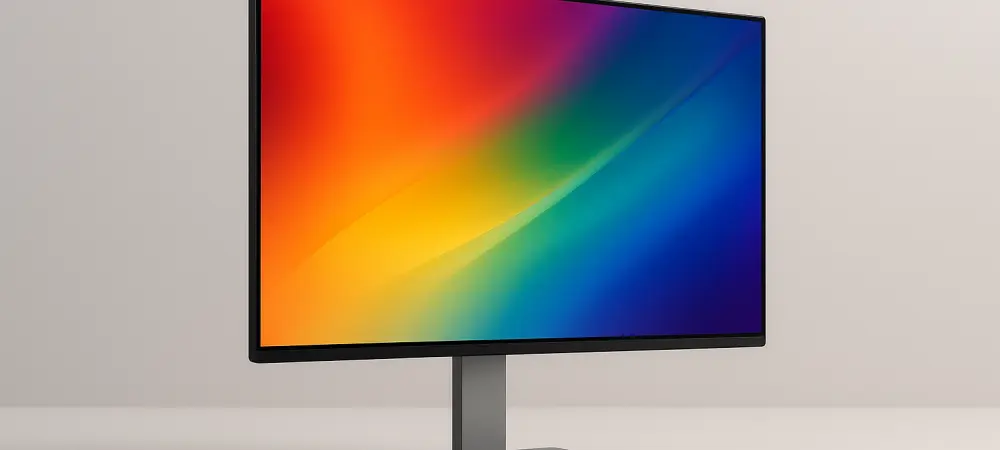
The gaming hardware landscape has reached a definitive turning point where the unparalleled contrast of OLED is no longer an exclusive luxury for elite enthusiasts. The Acer Nitro VG277U QD-OLED enters this fray as a market disruptor, signaling a shift toward mass adoption of premium panel technology. By integrating Quantum Dot layers with self-emissive pixels, this model bridges the gap between professional-grade color accuracy and high-speed gaming performance. At its current price of $269, it challenges the traditional price-to-performance ratio that previously favored inferior LCD technologies.
The Dawn of Affordable OLED Excellence
This monitor occupies a unique space within the competitive peripheral market, offering features that were previously restricted to displays costing three times as much. The core appeal lies in the QD-OLED architecture, which combines the vibrant color reproduction of Quantum Dots with the perfect black levels of organic light-emitting diodes. This synergy creates a visual experience that is both punchy and accurate, making it a versatile choice for a variety of users. Relevance in the current technological climate cannot be overstated, as the $269 price point signifies a permanent change in consumer expectations. By lowering the financial barrier, Acer has effectively democratized high-end hardware, forcing the industry to reconsider the value of mainstream monitors. This transition suggests that premium visuals are no longer a niche requirement but a standard expectation for the modern gaming setup.
Technical Specifications and Hardware Performance
Quantum Dot OLED Panel and Visual Fidelity
The 1440p resolution provides a sweet spot for 27-inch displays, offering a sharp pixel density that does not overtax modern graphics cards. Unlike traditional OLEDs, the Quantum Dot layer enhances peak brightness and color volume, ensuring that HDR content looks vibrant rather than just deep. This technology allows for infinite contrast ratios because each pixel can turn off completely, resulting in true blacks that LCDs with backlighting simply cannot replicate.
High-Speed Motion and Competitive Features
For competitive players, the 240 Hz refresh rate is a transformative feature that ensures motion remains fluid during intense gameplay. The 0.03 ms response time effectively eliminates the ghosting found in IPS panels, providing a clarity that makes tracking targets feel more natural. Furthermore, the inclusion of AMD FreeSync Premium ensures that frame rate fluctuations do not result in screen tearing, maintaining a consistent experience across various titles.
Market Trends and the Erosion of Price Barriers
This shift is driven by advancements in mass-production techniques that have lowered the entry cost for OLED manufacturing from 2026 to 2028. What was once an ultra-premium category is now bleeding into the mainstream market, forcing competitors to rethink their pricing strategies. Consumers are increasingly prioritizing visual quality and response times over traditional brand loyalty, leading to a rapid democratization of high-end display hardware.
Real-World Applications and Deployment
In professional eSports, the low latency of this monitor provides a measurable advantage where milliseconds determine the outcome of a match. Beyond gaming, the expansive color gamut makes it a viable tool for creative professionals who require precise color reproduction for photo and video editing. Even console gamers benefit from the cinematic depth provided by QD-OLED, enjoying a level of immersion previously locked behind four-digit price tags.
Challenges and Technical Constraints
Despite these perks, the risk of permanent image retention remains a valid concern for users who display static elements for long periods. While software solutions like pixel cleaning help mitigate this, OLEDs still struggle to match the raw peak brightness of modern Mini-LED displays. Additionally, the market for 1440p displays is becoming crowded, making it difficult for older technologies to stay relevant against newer 4K high-refresh models.
Future Outlook for OLED Integration
Looking ahead, the Acer Nitro line sets a benchmark that likely leads to even higher refresh rates and larger formats at aggressive price points. As panel longevity improves, OLED could become the standard for all gaming tiers, eventually rendering TN and IPS panels obsolete in the enthusiast space. This breach of the price floor fundamentally altered the expectations for what a mid-range monitor should offer in the coming years.
Final Assessment and Review Summary
The Acer Nitro VG277U QD-OLED represented a monumental shift in how high-end display technology reached the average consumer. It proved that professional-grade visual fidelity could coexist with affordability, effectively ending the era of overpriced gaming peripherals. This development forced the industry to move toward a more inclusive future where visual excellence became a baseline requirement rather than an optional luxury. Future iterations will likely focus on enhancing peak brightness and refining automated maintenance cycles to further prolong panel life for heavy users.