

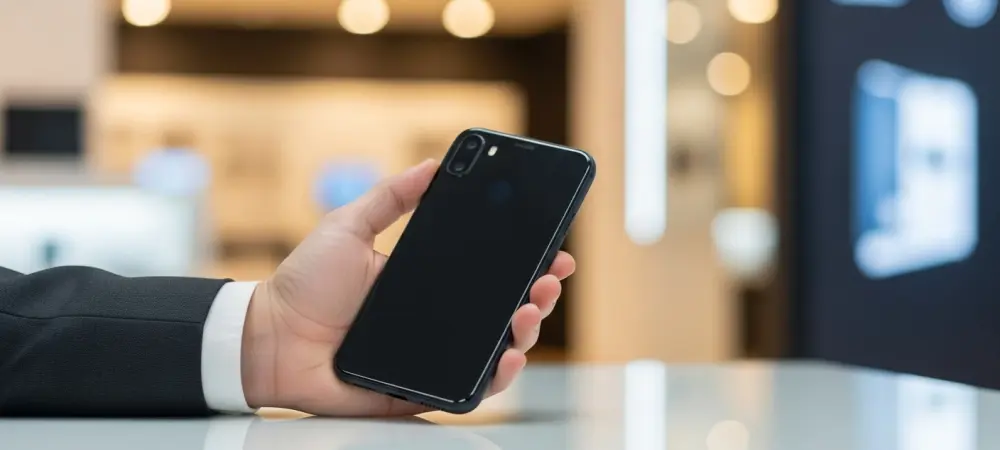
While the allure of shiny new hardware often blinds consumers to the financial logic of purchasing older models, the current price drop on the Google Pixel 9a presents a rare opportunity to secure high-end performance at a fraction of the cost. Paying a premium for the newest tech is often seen as a badge of honor, but the value proposition shifts when the predecessor sits at a significant $100 discount. A specific $399 deal on Amazon for the Google Pixel 9a is forcing a reconsideration of the cost of incremental progress.
For the price of a few minor upgrades, savvy shoppers can secure a device that mirrors the flagship experience without the accompanying flagship price tag. This scenario highlights a growing trend where the previous generation remains more than sufficient for the modern user’s needs. By targeting the older model, users gain access to a platform that remains highly competitive despite the arrival of its successor.
Why Smart Buyers are Ignoring the Latest Model This Season
The $399 price point on Amazon is particularly aggressive for the “Peony” pink version, creating a unique entry point into the Google ecosystem. While other colors like Obsidian and Iris may command a slight premium, the core savings remain substantial compared to the newly launched Pixel 10a. This financial gap allows consumers to allocate funds toward other essential accessories or services.
Market dynamics suggest that the prestige of owning the absolute latest release is fading in favor of pragmatic purchasing. When the internal hardware is nearly identical, the extra cost of the newest model feels more like a novelty tax than a functional investment. Consequently, the Pixel 9a has become the preferred choice for those who track price-to-performance ratios.
The Diminishing Returns of Annual Smartphone Upgrades
In the current mobile landscape, the gap between generations has shrunk to a point where year-over-year changes are often purely iterative. Google’s mid-range “A” series has reached a plateau of excellence, where the hardware is so capable that “upgrading” to the next version provides little tangible benefit. This trend makes late-cycle discounts lucrative for the average user.
Hardware longevity has improved to the point where a one-year-old device handles the latest software demands with ease. The Pixel 9a remains modern enough to provide a seamless experience, making the Pixel 10a’s minor tweaks seem unnecessary. Choosing the older model is no longer a compromise but a calculated decision to avoid paying for marginal innovation.
Hardware Realities and the Three-Hundred-Dollar Sweet Spot
The Pixel 9a currently occupies a unique position, offering features that were reserved for top-tier phones just a few seasons ago. With a 6.3-inch OLED display that hits a staggering 2,600 nits of peak brightness and a smooth 120Hz refresh rate, the visual experience is premium. These specifications ensure that the device remains vibrant and responsive in any lighting condition. Beyond the screen, the inclusion of an IP68 rating, a 5,100mAh battery, and a high-resolution 48MP camera system makes it a formidable competitor. The primary sensor is known for detailed photography and 4K video recording, rivaling more expensive alternatives. At this price, the hardware package offers a level of durability and performance that is difficult to beat.
Long-Term Software Support and Technical Performance Benchmarks
Technical evaluations confirm that the Tensor G4 chipset inside the Pixel 9a is more than capable of handling daily multitasking. Perhaps the most compelling argument for this model is the commitment to seven years of software updates, guaranteeing the device stays current through 2032. This longevity ensures that the phone remains secure and functional for a long duration.
When comparing this to the Pixel 10a, the differences feel like luxury add-ons rather than essential tools. The transition from Gorilla Glass 3 to 7i and the addition of satellite connectivity do not drastically alter the core software experience. For most users, the underlying power and longevity are virtually equal across both generations, making the discount even more attractive.
A Framework for Deciding Between Price and Marginal Innovation
To determine if this deal is the right choice, consumers should weigh the $100 savings against specific niche features. If daily usage does not require satellite emergency services or the latest AI-driven “Camera Coach,” the Pixel 9a provides a pragmatic path. The smart move was to prioritize the financial cushion of a discount over minor durability and connectivity tweaks.
The decision to prioritize the Pixel 9a proved to be a masterclass in consumer logic. Analysts observed that the shift toward value-oriented purchasing reshaped the mid-range market. By choosing the older model, users gained nearly identical performance while preserving capital for other investments. Future shoppers looked toward these discounts as the primary way to upgrade sustainably, ensuring their technology served their budgets as effectively as their communication needs.