

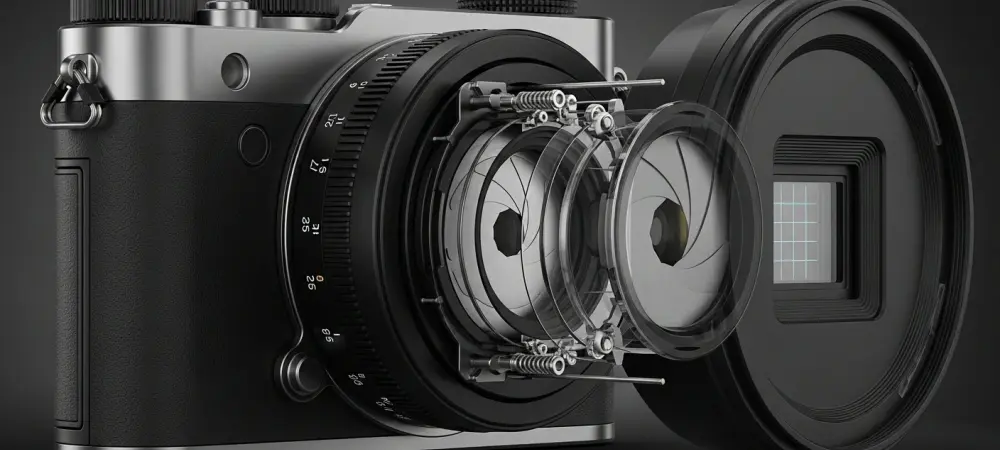
The traditional boundary between dedicated professional cameras and smartphones is finally dissolving as mechanical precision begins to replace the digital shortcuts that once defined mobile photography. While massive sensors have improved image quality, they have long been limited by fixed optics that struggle with depth and exposure. The re-emergence of mechanical aperture control represents a pivotal shift, moving away from computational workarounds toward authentic hardware-driven imaging that provides photographers with genuine control over light.
The Resurgence of Mechanical Optics in Mobile Devices
Evolution: Adoption and Market Traction
The industry is currently witnessing a significant move from fixed-aperture systems to sophisticated multi-stage mechanical diaphragms. Unlike the static f/1.4 lenses of previous years, these new systems allow the lens to physically expand or contract. Market data highlights a growing consumer appetite for “authentic” bokeh and hardware versatility, pushing manufacturers to prioritize physical components over AI-simulated effects.
This transition has evolved from the experimental features seen years ago into essential premium hardware for the upcoming flagship cycle. High-end devices are no longer just about megapixels; they are about the quality of the light hitting those pixels. By moving toward mechanical solutions, brands are addressing the fundamental physics of photography that software alone cannot replicate.
Real-World Application: Competitive Implementation
Samsung is leading a strategic pivot by integrating variable aperture mechanisms with its massive 200-megapixel sensors to balance light intake and sharpness. This combination allows for crisp landscapes in bright light and bright, noise-free portraits in dim settings. Meanwhile, rivals like Xiaomi and Honor have utilized similar technology to gain an edge in imaging benchmarks, proving that physical control is the new battleground for mobile dominance. The competitive landscape is heating up as Apple prepares its own integration for future Pro lineups. This move is largely seen as a response to hardware-focused rivals who have already demonstrated the benefits of physical aperture control. As these industry giants converge on a single technological path, the variable aperture is becoming a non-negotiable standard for any device claiming the “professional” label.
Industry Insights and Expert Perspectives
Mechanical apertures are becoming vital for mitigating the inherent limitations of high-resolution sensors in varied lighting conditions. When a sensor captures 200 megapixels of data, the margin for error in focus and light management is incredibly thin. Experts suggest that a physical diaphragm provides a more natural fall-off in depth of field, which is often superior to the sometimes uncanny “portrait mode” blur generated by artificial intelligence.
However, the shift toward mechanical parts brings questions regarding the durability of slim-profile smartphones. Engineers must balance the complexity of moving glass with the need for water resistance and impact protection. Despite these challenges, the consensus among professionals is that the trade-off is worth it for the leap in creative control and image fidelity.
Future Projections and Industry Implications
Technological Convergence: Power and Precision
The fusion of high-speed chipsets, such as the latest Snapdragon 8 Elite series, with mechanical lenses will revolutionize real-time light management. This synergy allows the phone to adjust its physical aperture instantly as the user moves through different environments. Such automation ensures that the hardware is always optimized for the specific scene without requiring manual intervention from the user.
Professionalization: Mobile Video Innovation
Variable aperture technology is set to transform mobile cinematography by allowing for natural exposure control without compromising shutter speed. In the past, video often suffered from “choppy” movement because the camera had to use fast shutter speeds to manage brightness. With a mechanical iris, creators can maintain a cinematic 180-degree shutter angle while the lens handles the light, making mobile devices viable tools for high-end film production.
Conclusion
The shift from software-reliant photography back to sophisticated mechanical engineering marked a new era for mobile technology. Manufacturers prioritized physical innovation over digital patches, ensuring that sensors could finally perform at their maximum potential. This evolution established the variable aperture as the gold standard for premium imaging, effectively closing the gap between pocketable devices and bulky professional kits. Moving forward, the industry will likely focus on miniaturizing these components further to fit into even thinner frames. Developers must now find ways to integrate these moving parts into foldable formats to ensure that the next generation of hardware remains as durable as it is capable.