

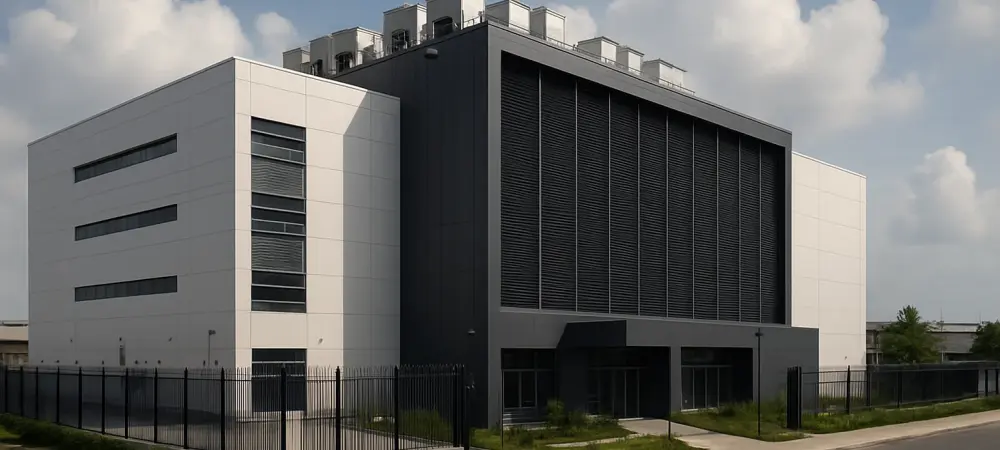
I’m thrilled to sit down with Dominic Jainy, a seasoned IT professional whose deep knowledge of artificial intelligence, machine learning, and blockchain has positioned him as a thought leader in digital infrastructure. Today, we’re diving into Equinix’s ambitious plans for a new data center in Lagos, Nigeria, exploring how this project fits into their broader vision for Africa. We’ll discuss the strategic importance of this investment, its potential to transform the region’s economy, and what it means for innovation and connectivity across the continent.
What inspired Equinix to select Lagos, and specifically the Victoria Island area, for the new LG3 data center?
Lagos has really emerged as a hub for innovation and talent in Africa, making it a natural choice for a project of this scale. Victoria Island, in particular, is a prime spot due to its proximity to business districts and key connectivity points. It’s an area buzzing with economic activity, and placing LG3 there ensures we’re right at the heart of where global and local enterprises converge. The location also offers logistical advantages for power and network infrastructure, which are critical for a data center’s success.
Can you share some details about the key features of LG3, such as its size and capacity?
Absolutely. LG3 is designed as a four-story facility with about 6,570 square feet of colocation space. While it might not sound massive compared to some global facilities, it’s tailored to meet the growing demand for secure, high-performance infrastructure in the region. It’s built to support a range of digital services, from cloud computing to AI workloads, ensuring businesses in Lagos have access to cutting-edge resources right on their doorstep.
How does the $22 million investment in LG3 connect to Equinix’s larger strategy for Africa over the next few years?
This $22 million is just the first step in a much broader $100 million investment plan across Africa over the next two years. Our goal is to create a robust network of data centers that can support the continent’s accelerating digital transformation. LG3 is a cornerstone of this vision, acting as a catalyst for connectivity and economic growth in West Africa while paving the way for similar projects elsewhere on the continent.
In what ways do you think LG3 will help bridge the digital divide in Africa?
The digital divide in Africa is a complex challenge, but facilities like LG3 play a vital role in addressing it. By providing world-class infrastructure, we’re enabling better access to technologies like cloud computing and AI, which are often out of reach for many businesses and communities due to cost or lack of local resources. LG3 will lower those barriers, allowing more organizations to participate in the digital economy and fostering a more inclusive tech ecosystem across the region.
How do you see this new facility supporting innovation and startups in Lagos?
Lagos is already a hotbed for startups, and LG3 is going to turbocharge that energy. By offering reliable, scalable infrastructure, we’re giving young companies the tools they need to experiment and grow without worrying about downtime or data security. Whether it’s a fintech startup building a new app or a health tech firm leveraging AI, having access to a local data center means faster development cycles and the ability to compete on a global stage.
Can you walk us through how Equinix first established its presence in Africa and how that has evolved leading up to LG3?
Our journey in Africa began with the acquisition of MainOne Cable Co in 2021, a $320 million deal that brought three operational data centers into our portfolio across Nigeria, Ghana, and Côte d’Ivoire. That move gave us a strong foothold in West Africa. Since then, we’ve expanded with facilities like LG1 and LG2 in Lagos’s Lekki area, and now LG3 marks the next chapter. Each step has been about deepening our commitment to supporting the region’s digital growth.
What can you tell us about the performance of the earlier Lagos facilities, LG1 and LG2, since they opened?
LG1 and LG2 have exceeded our expectations in terms of demand and impact. Since LG1 opened in 2022 and LG2 expanded earlier this year, we’ve seen strong uptake from local and international businesses looking for reliable colocation and connectivity solutions. These facilities have become critical nodes for enterprises in sectors like finance and tech, proving that there’s a real appetite for high-quality infrastructure in Lagos.
Looking ahead, what are Equinix’s plans for further expansion in Nigeria and other parts of Africa?
We’re not stopping with Lagos. In Nigeria, we’re excited about a planned data center in Port Harcourt, which will help extend our reach within the country. Beyond that, we’ve already launched a facility in Johannesburg, South Africa, as part of our strategy to cover key markets across the continent. Each location is chosen strategically to maximize connectivity and support the unique needs of local economies.
What is your forecast for the future of digital infrastructure in Africa over the next decade?
I’m incredibly optimistic about where Africa is headed. With a young, tech-savvy population and growing internet penetration, the demand for digital infrastructure is only going to skyrocket. Over the next decade, I expect to see a massive expansion of data centers, submarine cables, and cloud services, creating a truly interconnected continent. Projects like LG3 are just the beginning, and I believe Africa will become a global leader in digital innovation if we continue to invest in the right foundations.