

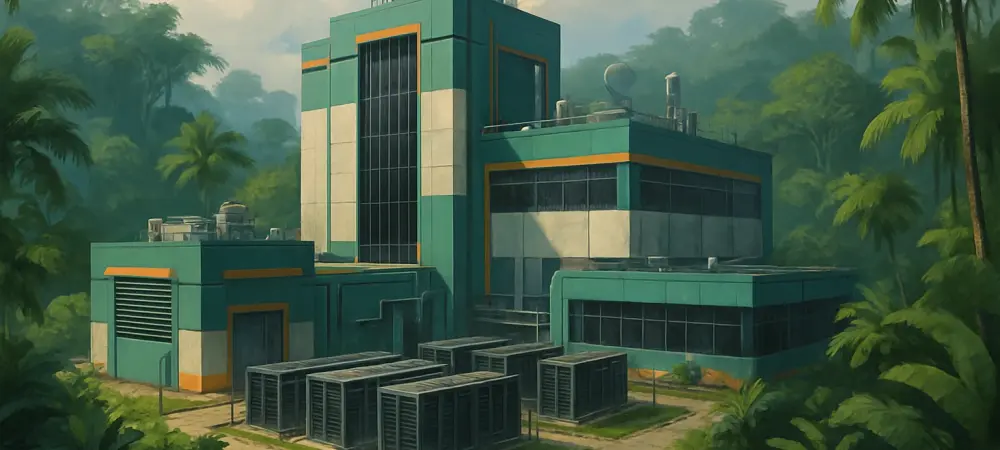
Can a small South American nation with no prior tech infrastructure become a global player in artificial intelligence overnight? Guyana, a country often overlooked in the digital race, is betting big on just that with a stunning move to partner with Cerebras, a cutting-edge AI chip company, to build a massive 100MW AI data center in Wales, Guyana. This ambitious project isn’t just about hardware—it’s about igniting a technological revolution in a region hungry for innovation. The stakes are high, and the world is watching as Guyana takes its first bold step into the AI arena.
Why This Partnership Is a Game-Changer
The significance of this collaboration cannot be overstated. In an age where AI drives everything from healthcare to economic policy, access to high-performance computing is a ticket to relevance. Guyana, with its abundant natural resources and strategic location, sees this data center as a launchpad to bridge the digital divide and claim a spot among tech-forward nations. This project positions the country as a potential hub for South American innovation, challenging the status quo where tech dominance is often confined to larger economies.
Beyond regional impact, this initiative taps into a broader global trend. Emerging markets are increasingly recognizing AI as a cornerstone of growth, with studies showing that AI adoption could boost GDP in developing nations by up to 1.2% annually, according to McKinsey reports. For Guyana, the partnership with Cerebras represents not just infrastructure but a chance to redefine its economic future on the world stage.
The Vision Behind a Digital Powerhouse in Guyana
At the heart of this endeavor lies a shared dream of transformation. The 100MW facility, powered by a nearby gas-to-energy plant, will house Cerebras’ advanced CS-3 AI clusters, designed to meet skyrocketing international demand for computational power. This isn’t a small-scale experiment; it’s a full-throttle commitment to making Guyana a connectivity node, leveraging its existing subsea network in Georgetown for global reach.
The project also promises to uplift local communities. By fostering talent development and creating opportunities for startups and researchers, the data center aims to build a sustainable tech ecosystem from the ground up. This aligns with Guyana’s larger digital strategy, which includes prior plans for a facility in Berbice and other proposals, signaling a national push toward modernization.
Voices That Shape the Future
Key figures behind this venture are vocal about its potential. President Irfaan Ali of Guyana has called the project a landmark, declaring, “This data center is a symbol of our resolve to lead digital transformation in the region.” His words reflect a deep-seated ambition to position Guyana as more than a bystander in the tech world.
Cerebras CEO Andrew Feldman shares this enthusiasm, emphasizing the tailored approach of their collaboration. “Our goal is to empower nations like Guyana with cutting-edge AI solutions and the skills to sustain them,” he noted. Industry experts echo this sentiment, pointing to Cerebras’ track record—over 300 CS-3 systems deployed across North America and Europe in cities like Oklahoma City and Santa Clara—as proof of their ability to deliver scalable, reliable infrastructure.
Overcoming Obstacles on the Path to Innovation
No groundbreaking project comes without hurdles, and this partnership faces its share. One significant challenge is navigating US export controls on Cerebras’ wafer-scale hardware, which could delay or limit deployment without proper licensing. Addressing these regulatory barriers through compliance strategies or alternative frameworks will be critical to keeping the project on track.
Capacity building is another priority. Through the Cerebras for Nations initiative, training programs are planned to equip local workforces with expertise in AI and infrastructure management. Additionally, leveraging Guyana’s subsea connectivity—via cables like X-Link and Deep Blue One—could attract further tech investments, while a phased rollout starting with pilot projects might mitigate logistical risks. These steps offer a practical roadmap for turning ambition into tangible progress.
Lessons Learned and the Road Ahead
Looking back, the collaboration between Cerebras and Guyana stands as a testament to the power of bold vision paired with strategic execution. It highlights how even smaller nations can carve out a space in the global AI landscape with the right partnerships. The initiative also underscores the importance of sovereign AI infrastructure, a concept that has gained traction as countries seek control over their digital futures.
Reflecting on this milestone, the next steps are clear. Guyana needs to prioritize sustained investment in education and skills to maintain momentum. Regional collaboration could amplify impact, positioning South America as a collective force in tech innovation. For other nations watching, the lesson is evident: start small, build smart, and partner wisely to unlock the transformative potential of AI.