

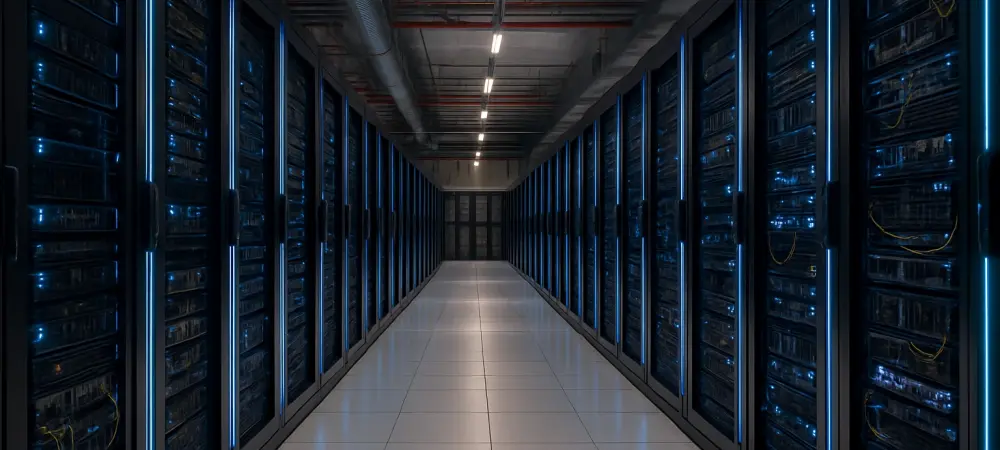
I’m thrilled to sit down with Dominic Jainy, a seasoned IT professional whose deep knowledge of cutting-edge technologies like artificial intelligence, machine learning, and blockchain has positioned him as a thought leader in the digital infrastructure space. Today, we’re diving into an exciting project in Sydney, Australia, where a partnership between major players is set to build a state-of-the-art 62MW data center. Our conversation explores the strategic vision behind this initiative, the roles of the collaborators, the significance of the location, and how this facility fits into the broader landscape of hyperscale and AI-driven infrastructure demands in the Asia Pacific region.
Can you provide an overview of this new data center project in Sydney and what makes it stand out?
Absolutely, Maison. This project in Minchinbury, Western Sydney, is a collaboration between Starwood Capital Group, Doma Infrastructure Group, and Telstra InfraCo to build a carrier-neutral data center with a capacity of 62MW. What makes it stand out is its Tier III-quality design, which ensures high reliability and uptime—crucial for modern digital workloads. The facility is geared toward meeting the explosive demand for hyperscale and AI infrastructure, positioning it as a cornerstone for future tech growth in the region.
How did this unique partnership come together, and what are the key goals for the facility?
The partnership formed through a shared vision of addressing the digital infrastructure gap in Australia. Starwood brings global investment expertise, Doma offers specialized data center development skills, and Telstra InfraCo provides critical local assets like land and connectivity. The key goals are to deliver a scalable, high-performance platform that supports next-gen technologies like AI, while also reinforcing Australia’s role as a digital hub in the Asia Pacific.
Can you walk us through the timeline for this project and what to expect in the coming years?
Sure. The project has already secured development approval, which is a big milestone. Construction is slated to kick off in early 2026, with the facility expected to be ready for service by the first quarter of 2028. That timeline reflects the complexity of building a facility of this scale and quality, ensuring everything from power redundancy to cooling systems meets the highest standards.
Why is the Tier III classification significant for this data center, and how does it impact its operations?
Tier III classification means the data center is designed with multiple power and cooling systems, allowing for maintenance without downtime. It’s a big deal because it guarantees reliability for clients running mission-critical applications, like cloud services or AI training models. This level of uptime and redundancy is essential for businesses that can’t afford even a minute of disruption.
What specific roles do the partners play in bringing this project to life?
Each partner has a distinct role. Starwood Capital and Doma Infrastructure are handling the financing, development, construction, and long-term management of the facility. Their expertise ensures the project meets global standards. Telstra InfraCo, on the other hand, contributes the land in Minchinbury and extends its robust connectivity infrastructure, which is vital for seamless data transmission and integration with broader networks.
Why was Western Sydney, specifically Minchinbury, chosen as the location for this data center?
Minchinbury in Western Sydney is a strategic choice for several reasons. It’s close to major urban centers, which reduces latency for end users, and it’s in an area with growing demand for digital services. Additionally, the location aligns with the Asia Pacific’s broader digital corridor, making it a gateway for international connectivity and a prime spot for hyperscale operations.
How does this project address the current surge in demand for hyperscale and AI infrastructure?
The demand for hyperscale and AI infrastructure is skyrocketing as businesses adopt cloud computing and machine learning at an unprecedented pace. This 62MW facility is built to handle massive compute workloads, offering the power and scalability needed for AI model training and large-scale data processing. It’s essentially future-proofing the region’s digital capacity.
What broader impact do you think this data center will have on emerging technologies in the region?
I believe this facility will be a game-changer. It’s not just about storage or processing power; it’s about enabling innovation. By providing the infrastructure for AI, IoT, and other emerging technologies, it will attract tech companies and startups to the region, fostering a vibrant ecosystem of digital advancement and potentially positioning Sydney as a global tech hub.
How does this Sydney project fit into the larger investment strategies for data centers in the Asia Pacific region?
This project is part of a broader trend of heavy investment in data centers across Asia Pacific, driven by the region’s rapid digital growth. For global investors like those involved here, it’s a chance to tap into a high-growth market. The Sydney facility complements other regional developments by enhancing connectivity and capacity, creating a more resilient digital backbone for businesses operating across borders.
What is your forecast for the future of data center infrastructure, especially with the rise of AI and hyperscale needs?
I’m optimistic about the future, but it’s going to be a race to keep up with demand. AI and hyperscale needs are pushing the boundaries of what data centers can do, requiring more power, better cooling, and smarter designs. I foresee a surge in sustainable, edge-focused facilities closer to end users, alongside massive hyperscale campuses like this one in Sydney. The challenge will be balancing growth with energy efficiency, but with partnerships like this, I think we’re on the right track.