

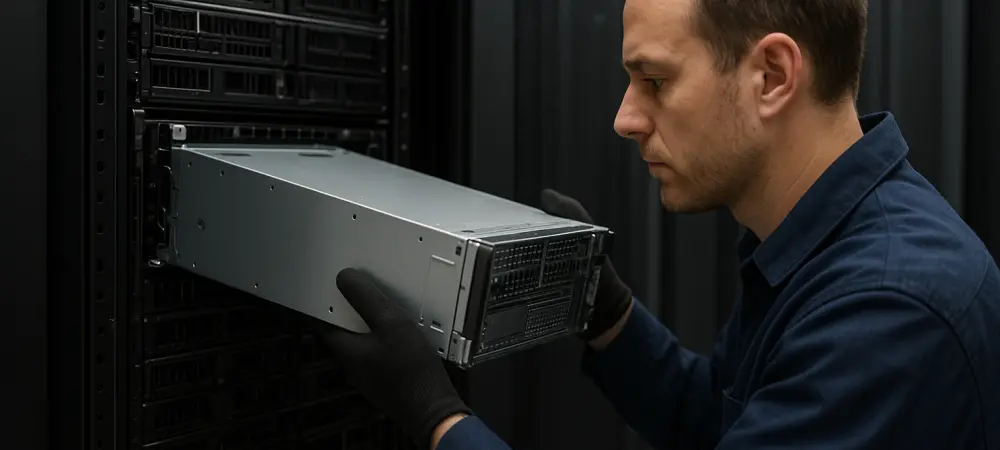
A successful migration away from VMware requires a deep investigation into how new platforms integrate with existing backup ecosystems and the specialized knowledge of local teams. In the current landscape of the Netherlands, the virtualization sector is experiencing a period of profound re-evaluation as the long-term effects of Broadcom’s acquisition strategy manifest across the enterprise market. For Dutch Chief Information Officers, the once-stable foundation of VMware infrastructure has transformed into a source of strategic concern, prompting a mass audit of technological dependencies. This shift is not merely a reaction to increased pricing but a fundamental push for architectural sovereignty and cost predictability in an increasingly volatile software market. Companies are moving away from legacy setups that involve restrictive multi-year contracts, seeking instead flexible environments that support high-performance workloads while allowing for future scalability without vendor-imposed limitations or expensive mandates.
Assessing Strategic Infrastructure Requirements
Licensing Predictability: Securing Long-Term IT Budgets
Licensing predictability has become the primary concern for leadership, as businesses now require absolute long-term visibility into their operational expenditures. The objective is to avoid the sudden, steep price hikes that have become synonymous with private equity-driven software acquisitions in recent cycles. Organizations are looking for vendor models that offer transparency and stable growth paths rather than bundled packages that might include unnecessary features. By prioritizing financial clarity, Dutch firms are attempting to safeguard their IT budgets against future market shifts. This fiscal prudence is coupled with a need for architectural stability, ensuring that the chosen virtualization layer does not require constant and costly administrative overhauls to remain operational during the upcoming fiscal periods. Furthermore, companies are prioritizing agreements that offer protection against mid-contract policy changes, ensuring that the software remains an asset rather than a liability.
Hardware Sustainability: Optimizing Existing Infrastructure
Hardware flexibility represents another pillar of the strategic selection process in the Netherlands. The ability to reuse existing server infrastructure is not only a matter of cost management but also a core component of corporate sustainability goals. Migrating to a new platform shouldn’t necessitate a complete “rip and replace” of functional hardware, which would result in significant e-waste and capital expenditure. Furthermore, the actual transition of production workloads is viewed as a high-risk operational activity that requires sophisticated migration tooling. A viable alternative must be capable of moving virtual machines with minimal downtime while maintaining complex network configurations. Integration with established security and backup solutions, such as those provided by Veeam or Cohesity, is mandatory. Without these native hooks, the risk to data resilience becomes too high for most enterprise environments, especially those operating under strict service level agreements that demand constant availability.
Implementing Rigorous Evaluation Methodologies
Pilot Testing: Verifying Performance under Stress
To mitigate the inherent risks of such a fundamental change in the technology stack, industry experts across the Dutch market recommend a staged Proof of Concept rather than relying on glossy marketing checklists. This rigorous hands-on approach involves testing real-world applications under significant stress to see how the system behaves during peak load periods. It is during this phase that administrators can truly gauge the learning curve associated with a new management interface. Instead of a superficial feature comparison, firms are now prioritizing the “day-two” operations experience. This means evaluating how easily a junior administrator can perform routine tasks like snapshotting, cluster expansion, or troubleshooting network latency. By identifying potential points of operational friction early in the evaluation cycle, companies can avoid signing contracts for software that might look good on paper but proves cumbersome and inefficient in a busy production environment.
Disaster Recovery: Validating Failover and Restoration
A critical component of this testing methodology involves the deliberate simulation of failure scenarios to verify the resilience of the storage and compute layers. Dutch IT teams are increasingly performing “pull-the-plug” tests on cluster nodes to observe how quickly the high-availability mechanisms trigger a failover. They are also meticulously verifying the restoration process for backups to ensure that data integrity is maintained throughout the migration lifecycle. By documenting these outcomes alongside projected three-year operating costs and hardware compatibility reports, organizations can present a data-driven business case to their executive boards. This level of due diligence ensures that the chosen platform can handle representative production workloads and pass realistic failure tests before any formal commitment is made. Such a thorough process confirms that the new infrastructure will remain stable during routine operations and resilient when confronted with unexpected hardware or software crises.
Analyzing the Leading Platform Alternatives
Integrated Stacks: The Rise of Full-Stack HCI
Several platforms have emerged as frontrunners for Dutch enterprises, with Sangfor HCI standing out as a premier integrated full-stack solution for those seeking a unified approach. By consolidating the hypervisor, distributed storage, and software-defined networking into a single, centrally managed platform, it effectively mirrors familiar VMware workflows. This design choice significantly reduces the retraining burden on existing IT staff, allowing for a smoother transition between technological eras. The solution is particularly noted for its advanced resilience features, such as drive-isolation and HCI overload protection, which help maintain performance during localized hardware failures. For organizations ranging from the mid-market to large-scale operations, this type of integrated package provides a clear path from simple virtualization to a more sophisticated private cloud environment. It allows for the support of modern workloads, including AI applications, without requiring a complex orchestration strategy.
Ecosystem Diversity: Selecting Specialized Hypervisors
Other notable alternatives are being weighed based on specific strategic priorities and internal technical capabilities. Proxmox VE has gained significant traction as an open-source powerhouse for firms that prioritize total control and wish to avoid future vendor lock-in entirely. While it offers immense flexibility by combining virtual machines and containers, it requires a higher level of internal Linux expertise to manage at scale. Conversely, Nutanix AHV remains a primary choice for enterprises looking for a mature and established ecosystem with a broad range of validated hardware integrations and a proven track record in high-density environments. For those organizations that are already pivoting their strategy toward containerization and Kubernetes, Red Hat OpenShift Virtualization provides a logical bridge. It allows teams to run traditional virtual machines and modern containers on a unified platform, enabling a gradual modernization of the application portfolio while keeping the underlying infrastructure consistent.
Compliance and Real-World Implementation
Legal Compliance: Navigating GDPR and Data Residency
In the context of the Dutch market, adherence to European Commission guidelines and the strict mandates of the GDPR is a non-negotiable requirement for any virtualization platform. Buyers are now required to meticulously map the entire journey of their data, including not only primary production sets but also secondary replicas and telemetry logs. It is essential to ensure that any personal data transfers occurring outside the European Economic Area remain fully compliant with regional privacy laws. This involves a deep dive into the vendor’s support structure to determine if data can be accessed by engineers in jurisdictions without equivalent privacy protections. Infrastructure choices are now more than ever intrinsically linked to a company’s overall Security Operations maturity. A chosen platform must provide robust audit evidence, fine-grained access controls, and rapid incident response capabilities to satisfy the increasingly rigorous security audits conducted by both internal departments and regulatory bodies.
Future Readiness: Integrating AI and Hybrid Services
The practical success of these strategic migrations was best illustrated by organizations such as Soxely, a private-cloud provider that recently transformed its operations. By moving away from a fragmented and difficult-to-manage environment, they streamlined their cluster administration through the adoption of a modern, integrated HCI platform. This transition replaced a series of disconnected tools with a unified management interface, which significantly improved daily operational efficiency. The move proved that a well-chosen alternative could do more than just maintain the status quo; it could actually enhance the agility of the IT department. For the broader Dutch market, the ultimate goal was to build a technological foundation that remained ready for the next decade of digital evolution. The final decisions were based on a combination of technical performance, licensing transparency, and local support availability. Organizations that successfully completed these migrations found themselves better positioned to integrate AI services.