

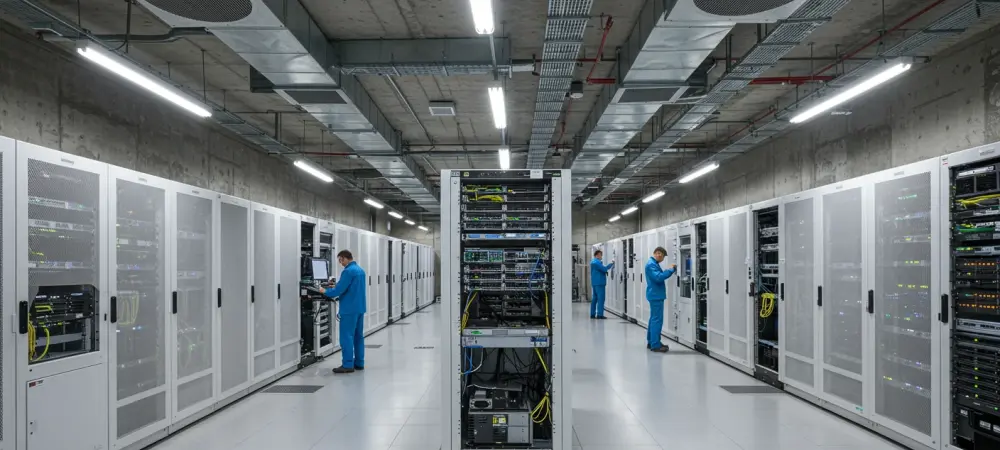
The potential emergence and evolution of data centers are rapidly shaping modern infrastructure needs and regulatory concerns across industries. This paradigm shift is particularly evident in regions like Dorrance Township, Luzerne County, Pennsylvania, where discussions have begun to incorporate data centers into local zoning plans. These deliberations arise as local authorities consider revising the existing zoning ordinances to accommodate data center development—a move instigated by interest from real estate consultants. Although no formal proposal currently exists for data centers in the area, township officials are taking preemptive steps to adapt to future industry demands.
Understanding the Role and Importance of Data Centers
Data centers represent a cornerstone of modern infrastructure, essential to supporting a digital economy’s vast array of applications and services. They serve as hubs for data storage, processing, and distribution, playing a vital role in the global technological ecosystem. The data center industry is characterized by continual growth, propelled by increasing demand for cloud services, digital connectivity, and advancements in artificial intelligence. Critical market players, significant technological advancements, and evolving regulations define this sector, which sees active participation globally.
The industry is segmented based on various factors, including purpose, size, and energy consumption. Technological influences such as the Internet of Things, machine learning, and edge computing are redefining traditional operations within data centers. This sector also navigates a complex landscape of regulations aimed at ensuring security, reliability, and sustainable practices.
Industry Trends and Market Directions
Influential Trends and Emerging Technologies
Current trends in the data center industry reflect technological sophistication and an emphasis on efficiency. There is a clear shift toward modular, scalable solutions that allow rapid adaptation to market needs. Emerging technologies like green computing and advanced cooling systems signify a growing focus on sustainability. Additionally, consumer behavior is evolving, with businesses demanding more customizable and flexible data infrastructure. Upcoming opportunities within the industry are linked to the proliferation of 5G, which necessitates more robust and localized data management solutions. The increasing reliance on remote work and digital transactions continues to drive the sector’s momentum, highlighting the need for agile infrastructure and integrated security solutions.
Market Data and Growth Projections
Analyzing the market data suggests strong growth trajectories for the data center industry. The forecast indicates an upward trend, supported by performance indicators such as increased investment in sustainable technologies and enhanced network capabilities. Current statistics predict data centers will continue expanding their reach, leveraging innovations and meeting the unyielding demand for digital services. This growth is not only quantitative but also qualitative, as the industry pivot focuses on comprehensive solutions shored up by cutting-edge technology and robust data management frameworks. The influx of capital investments showcases confidence in the sector’s resilience and adaptability.
Challenges and Complexities in the Data Center Sector
The data center industry faces numerous challenges, encompassing technological, regulatory, and market-driven aspects. As technology advances, there is a pressing need to maintain high standards for security and disaster recovery. Frequent regulatory changes add layers of complexity and necessitate agile compliance frameworks to keep pace with evolving laws.
Market dynamics also present challenges, with rising operating costs and increasing competition. These pressures drive companies to innovate constantly while enhancing operational efficiency. Strategic partnerships and technological collaborations offer potential solutions for overcoming sectoral hurdles, strengthening data center resilience.
Navigating the Regulatory Landscape
The regulatory landscape for data centers is intricate, with substantial laws and standards guiding industry practices. Compliance remains crucial, with security measures and data protection at the forefront of regulatory agendas. These frameworks mandate comprehensive adherence to ensure that data centers remain secure and reliable.
Regulatory changes significantly influence industry operations, compelling data center operators to continuously evolve their practices. By integrating robust security protocols and adopting sustainable practices, the industry aims to align with regulatory expectations and foster long-term growth.
Future Trends and Industry Outlook
The future of data centers promises further integration with cutting-edge technologies and anticipates potential market disruptors. Innovations like quantum computing and increased automation present both opportunities and challenges. Evolving consumer preferences lean toward faster, more efficient data processing services.
Future growth areas are likely to center on sustainable practices and enhanced network infrastructures. Innovation and regulatory alignment will continue to shape the industry’s trajectory, with global economic conditions influencing expansion strategies. These factors will collectively define the future landscape of the data center industry.
Conclusion and Recommendations
Conclusions drawn from the industry’s current dynamics reveal a trend toward growth and adaptation in response to technological and regulatory demands. Proactive engagement in understanding emerging technologies and regulatory expectations is key to remaining competitive. Investing in sustainable and flexible infrastructure offers a pathway for growth, aligning with both consumer expectations and compliance requirements. For Dorrance Township and similar municipalities, exploring potential data center developments requires a considered balance of innovation and regulation. By refining zoning laws and preparing for future industry requirements, communities can position themselves as attractive locations for data infrastructure projects, driving technological and economic advancement in the region.