

Dominic Jainy is a highly regarded IT professional with a deep understanding of artificial intelligence, machine learning, and blockchain, particularly their applications within urban planning and development contexts. With a vested interest in how technologies shape industries, Dominic delves into the complex dynamics of a proposed data center campus in Fredericksburg, Virginia—a project that stirs controversy and debate within the planning commission. Here’s an insightful conversation exploring the layers of this ambitious project and its broader implications.
Can you provide an overview of the proposed data center campus in Fredericksburg, Virginia?
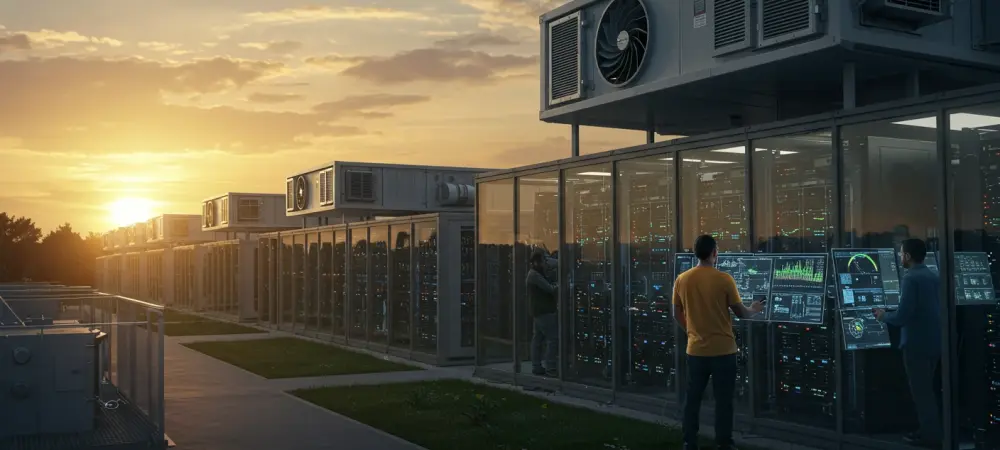
The proposed data center campus in Fredericksburg is quite expansive, aiming to develop four data center buildings totaling 2.1 million square feet. The project is pitched by Penzance Development and associated companies. The full build-out is projected to be completed by 2032. It’s positioned at 1500 Gateway Boulevard and designed to significantly boost the region’s technological infrastructure by increasing the proportion of data center space in Fredericksburg.
What are the main reasons the Fredericksburg Planning Commission recommended disapproval of the project?
The planning commission advised against proceeding mainly due to concerns involving the planned transmission lines. These lines are crucial for supplying power to the site but would traverse a car line and a play area, posing safety hazards and potential disruptions. The commission concluded that these factors outweighed the benefits of the proposal.
Could you explain the issues related to the planned transmission lines for the data center?
The planned transmission lines are a critical component of the project, intended to deliver necessary power across the campus. However, their placement through public zones like car lines and play areas raises significant safety and accessibility concerns. This aspect of the plan failed to garner support from the commission, which views these issues as insurmountable obstacles without a feasible solution.
What are the specific concerns regarding the transmission lines going through a car line and a play area?
The transmission lines not only disrupt existing community infrastructure but also introduce risks to pedestrian safety and vehicular traffic. Additionally, they may limit access and usability of the play area, which is an essential space for recreational activities.
How did the Planning Commission vote on the project, and what influenced their unanimous decision?
The Planning Commission voted 7-0 in favor of recommending disapproval of the project. Their decision was influenced predominantly by the extensive analysis that weighed detriments against benefits. As noted by Commissioner Dugan Caswell, the detriment column was notably heavier, especially due to the transmission line issues.
Commissioner Dugan Caswell mentioned a detriment and benefit analysis. Can you elaborate on the key detriments identified?
Key detriments included the future risks associated with transmission lines, potential disruptions to community areas like play zones, and the overall incompatibility with existing zoning regulations. Additionally, the project’s site is outside the Technology Overlay District, further complicating approval processes.
What are the potential economic benefits of the project, such as tax revenue and job creation?
Economically, Penzance estimates that the project could generate up to $50 million in tax revenue annually and create approximately 240 jobs. These numbers represent a significant boost to local economic activity, possibly fostering more growth and development in the tech sector.
Why is the site outside the “Technology Overlay District,” and how does this affect the approval process?
The chosen site being outside the Technology Overlay District poses regulatory challenges. Infrastructure projects need to align with existing zoning laws, and straying from designated districts complicates approvals, potentially necessitating amendments or special considerations.
Could you clarify how this project would impact the proportion of data center space in Fredericksburg?
When completed, the project would elevate the data center space in Fredericksburg from 3.8 percent to five percent. This surpasses the 2018 agreement, which capped data center space at two percent, marking a significant increase that reflects the growing demand for such facilities.
How does the current proposal compare with the 2018 agreement regarding data center space allocation?
The proposal clearly exceeds the 2018 agreement by permitting a greater percentage of city space for data centers. While reflecting technological advancements and increased demand, it also invites scrutiny regarding spatial allocation and community impact.
Can you discuss the site’s previous designation for a Veterans Affairs outpatient clinic and its relocation?
Initially, the site was planned for a Veterans Affairs outpatient clinic, which has since been relocated to Spotsylvania County. This shift has paved the way for the data center proposal, suggesting a transformative change in use and strategic planning for the area.
How does this proposed project relate to other data center initiatives in Fredericksburg, like Stack Infrastructure’s $10 billion project?
This proposal runs parallel to Stack Infrastructure’s significant $10 billion initiative within the Technology Overlay District. Both projects signify Fredericksburg’s growing prominence in the data center industry, though the Penzance proposal differs in location and scale.
What is Penzance Development’s track record with data center projects, such as the one in Chantilly, Virginia?
Penzance has demonstrated success with data center projects, notably in Chantilly, Virginia. That project received approval in July 2024, marking a positive trajectory and showcasing Penzance’s capacity for managing complex developments.
What were the reasons for the county planners’ recommendation for approval of Penzance’s Chantilly project?
County planners approved the Chantilly project due to its adherence to local zoning laws and its alignment with strategic technological goals. The thorough site assessment revealed minimal community disruption, further supporting the planners’ endorsement.
Are there any plans for revising the current proposal to address the Planning Commission’s concerns?
As the project stands, revisions might include reevaluating transmission line placement or considering alternative power solutions. Addressing community and safety concerns will be critical for progressing toward eventual approval.
Do you have any advice for our readers?
Embrace developments in technology and urban planning by considering both innovation and community impact. In projects like these, understanding the balance between advancement and local needs is crucial for sustainable growth.