

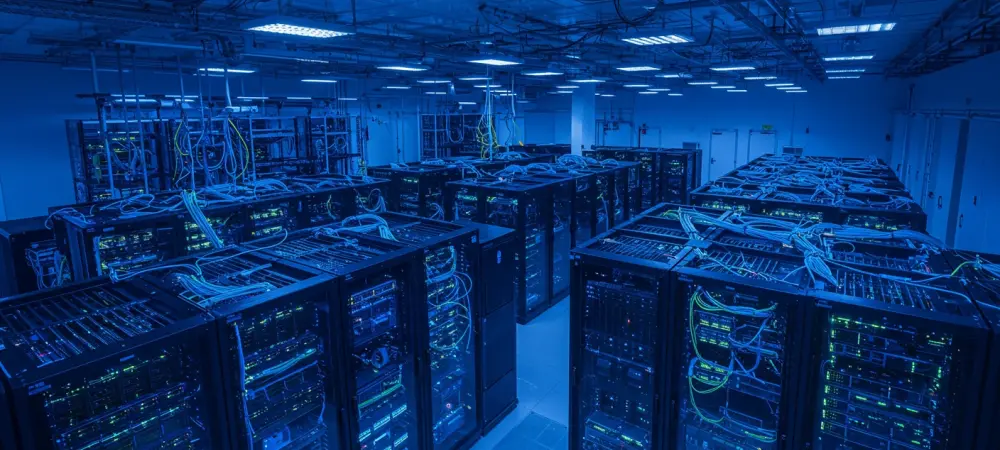
Data center modernization has emerged as a pivotal element for advancing technology infrastructure, playing a crucial role in enabling businesses and institutions to operate efficiently and sustainably. This development is particularly essential given the increasing pressure on digital systems to manage and process massive amounts of data in real time. In this review, the focus is on understanding the latest advancements in data center technology, examining their most significant features, and evaluating their broader influence on the industry.
Context and Developments
Lancaster City Council is spearheading a progressive initiative with plans to construct a new state-of-the-art data center at the Salt Ayre Leisure Centre in Lancaster, UK. This development, pending planning permission, signifies a shift from previously outdated facilities, aiming to be operational by March 2026. As part of this project, waste heat generated by the data center will be repurposed to heat the leisure venue’s swimming pool—a feature that underscores the shift toward sustainable practices. Moreover, the project will host an onsite battery energy storage system powered by a nearby solar farm, providing cutting-edge energy solutions. The data center primarily aims to support the council’s IT infrastructure while offering leasing potential for other organizations. Significant emphasis is placed on reducing carbon emissions and lowering energy costs through strategic partnerships with private sector stakeholders and Blackpool Council. The center is linked to the Local Full Fibre Network (LFFN) that supports improved connectivity across Lancaster, Morecambe, and Heysham—a prime example of the integration of data center technology with broader regional growth strategies.
Key Features of Modern Data Centers
Data center modernization encompasses a range of improved characteristics, with enhanced energy efficiency being a core focus. The new infrastructure incorporates energy-saving components, methods, and technologies that are crucial in minimizing environmental impact and operational costs. This shift not only represents a move toward sustainable practices but also establishes significant financial savings, which are attractive for long-term investments.
In addition to energy efficiency, advanced IT infrastructure is another critical component integrated into modern data centers. Enhanced systems enable seamless integration and improved performance, which support the expansive needs of digital operations, storage, and data management. This capability is essential as reliance on digital platforms continues to rise, demanding robust and scalable solutions.
Real-World Applications
Across various sectors, modern data centers are transforming how organizations operate. Educational institutions, such as universities, employ these advanced technologies to facilitate remote learning, data analytics, and research capabilities. Similarly, government agencies benefit from enhanced data security and operational efficiencies through these modernized infrastructures. In the commercial sector, businesses leverage data centers to gain insights through big data analytics, improve customer interactions, and ensure effective data storage.
These examples underscore the versatility and indispensability of modern data centers, demonstrating their impact on diverse applications. The initiatives of Lancaster City Council and their efforts to enhance digital infrastructure align with these broader trends of accessibility, efficiency, and functionality that modern data centers enable.
Challenges and Solutions
Despite the advances, the journey to data center modernization is not without its challenges. Technical constraints, such as the integration of newer technologies with existing systems, remain one of the significant hurdles. This challenge requires innovative solutions to ensure compatibility and operational efficiency.
Furthermore, regulatory and market challenges persist, often complicating the adoption and implementation of new technologies. To address these issues, extensive research and development efforts focus on overcoming limitations while ensuring that modernized data centers meet all necessary compliance standards. The solutions lie in fostering industry collaboration, promoting innovative designs, and encouraging investments in adaptive technologies.
Future Prospects
Looking ahead, data center technology is set to evolve with further innovations and significant shifts. The incorporation of breakthroughs such as AI integration, improved cloud computing solutions, and advanced network systems will continue to shape the landscape. These advancements have the potential to transform data centers into dynamic hubs of processing and storage, redefining their role in the digital ecosystem. Anticipated long-term impacts of these technologies will extend beyond infrastructure improvements. As organizations and regions tap into these capabilities, the competitive advantages in agility, scalability, and operational efficiency will drive further investments and innovation in this sector.
Takeaways
Throughout this review, it’s apparent that data center modernization stands at the forefront of technological advancement, providing a foundation for future growth and efficiency. From its implementation in Lancaster to the broad trends shaping adoption globally, the transformative potential of this infrastructure is evident. As the industry progresses, opportunities for sustainable practices and extended capabilities render modernized data centers indispensable components of any forward-looking organization. These advancements not only pave the way for the next innovation wave but also foster a digital future characterized by resilience, efficiency, and adaptability.