

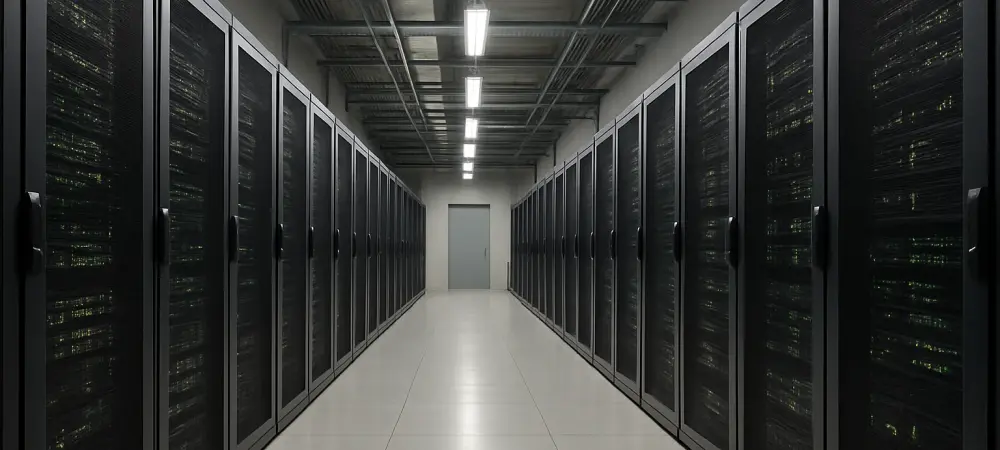
The proposed data center project in Brisbane, set in a landscape rich with biodiversity, promises over $15 million in expected revenue and more than 560 construction jobs. However, the project faces challenges from environmental scrutiny and public opposition, requiring reevaluation and modification to reconcile economic objectives with ecological sustainability.
Navigating Economic Benefits and Environmental Challenges
Brisbane stands at a development crossroads where economic growth and environmental sensitivity must coalesce. The Guadalupe Quarry Redevelopment Project initially aimed at constructing a 180,000-square-foot data center to transform 62 acres of land. However, the move toward data-driven infrastructural growth is in conflict with preserving local ecosystems, triggering an intense debate about the future of industrial advancement.
Surrounding this ambitious project are growing concerns over the protection of endangered species, notably local butterflies. The opposition, led by environmentalists such as the Mountain Butterfly Collective, has been influential in revising the project. These adjustments have curbed building sizes and reduced truck operations, reflecting the impact of public voice and environmental advocacy.
Economic Perspectives and Industry Considerations
Economic advantages present an appealing narrative for the Brisbane initiative. The developers promise significant financial influxes into the local economy, enriching Brisbane’s fiscal landscape while aiding conservation efforts with substantial contributions. However, the challenge lies in balancing these economic gains with preserving the integrity of the natural habitat and addressing community concerns.
Alterations to the development plan have been made to reduce environmental disruption while acknowledging economic drivers. Developers are increasingly focusing on sustainable practices that mitigate environmental impact and meet regulatory requirements. These changes echo broader industry trends prioritizing eco-friendly development solutions over aggressive expansion.
Regional Dynamics and Ecological Imperatives
The situation in Brisbane serves as a microcosm of the broader challenges facing regional development projects in environmentally sensitive areas. Central to this conversation are the innovative approaches in construction and resource management that can reduce ecological footprints. While industry intents are clear, the pressing need for integrating green technologies stands as a pivotal theme influencing current and future project viability.
Moreover, this regional development marks the first significant industrial initiative on the San Francisco Peninsula in decades. The discourse encourages new perspectives on how projects should be shaped to align with contemporary environmental standards while sustaining economic drivers.
Strategic Insights and Practical Recommendations
Project stakeholders can apply multifaceted strategies to navigate challenges effectively. Engaging communities directly through transparent dialogues and demonstrating a commitment to sustainability can foster mutual understanding. Prioritizing eco-friendly technologies could bridge economic objectives with environmental foresight, cultivating sustainable development alliances across the spectrum. Developers might also consider adaptive regulatory frameworks to ensure compliance is maintained without compromising project viability. These insights highlight the critical relationship between market adaptability, community collaboration, and ecological mindfulness.
Reflection on Development Dynamics
The unfolding story of the Brisbane data center encapsulates the essential yet complex discourse between progress and preservation. The intricate interplay among economic, ecological, and communal interests requires innovative strategies beyond conventional development paradigms. As stakeholders address community concerns and environmental duties, the project elicits broader reflections on shaping modern development projects. By prioritizing sustainability, encouraging community engagement, and adapting regulatory approaches, future development efforts could achieve harmony between transformational growth and natural preservation.