

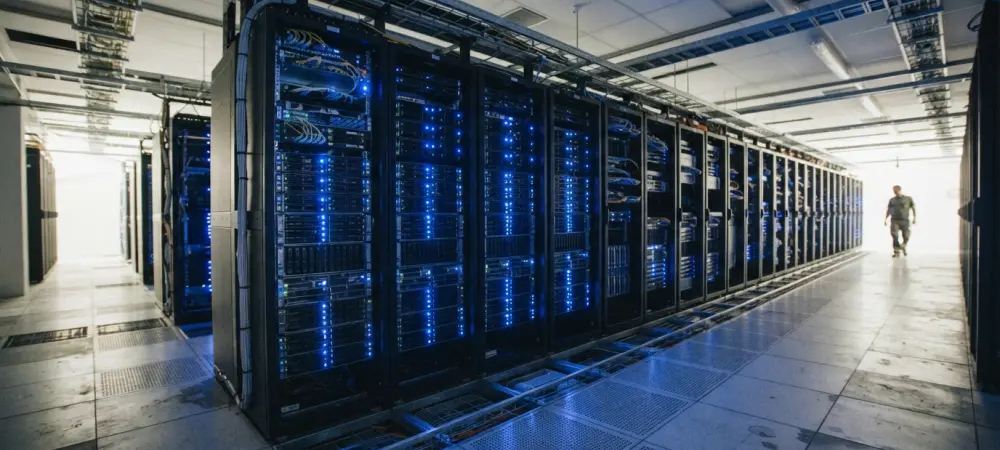
Traditional endpoint protection becomes insufficient when a sophisticated framework like GhostFrame gains root access to the ESXi host and controls the entire virtualization layer. This specific toolkit, identified by cybersecurity researchers as a product of the threat actor group TAG-218, represents a fundamental shift in how sophisticated adversaries target modern data centers. Instead of attempting to infect individual workstations or servers within the network, GhostFrame focuses its energy on the hypervisor level, which effectively provides a “God’s-eye” view of the entire virtualized infrastructure. By compromising the core foundation of a company’s compute resources, the malware enables attackers to bypass traditional security perimeters and establish a permanent foothold. The operational overlap between TAG-218 and the Settra ransomware collective suggests that this framework is not merely for espionage but serves as a precursor to devastating financial extortion. This evolution in cyber weaponry underscores the extreme vulnerability of central management layers in today’s digital landscape.
Persistent Presence: Techniques for Long-Term Stealth
Maintaining a long-term presence within a compromised environment is a hallmark of the GhostFrame framework, which utilizes a specialized implant known as vmhostd-core. Once an attacker achieves root-level access to the ESXi host, the malware modifies the boot script located at /etc/rc.local.d/local.sh to ensure it survives system reboots and administrative maintenance cycles. To further evade detection by system administrators and automated monitoring tools, the implant masquerades as a legitimate VMware service by renaming itself to vmhostd. This mimicry is combined with an advanced memory-loading technique where the primary functional code is executed directly within the system’s RAM rather than being written to the physical disk. By avoiding the creation of suspicious files on the storage layer, the malware effectively sidesteps traditional file-based antivirus scanners. This high level of sophistication demonstrates a deep understanding of hypervisor internals and common forensic techniques.
The framework does not merely hide; it actively manipulates the security posture of the compromised host to prevent any interference with its operations. One of the most aggressive features of GhostFrame is its ability to continuously monitor and suppress built-in security mechanisms, such as the host firewall and the execInstalledOnly setting. This specific setting is a critical defense designed to prevent the execution of unsigned or unauthorized binaries on the ESXi platform. GhostFrame is programmed to check these configurations every five seconds, instantly reverting any manual changes made by a security professional attempting to re-harden the system. This relentless suppression creates an environment where the attacker maintains absolute control over the execution environment. Furthermore, the malware utilizes these windows of vulnerability to load additional modules without the risk of being blocked by standard integrity checks. This creates a persistent state of insecurity that is difficult to remediate through normal administrative means.
Credential Extraction: Bypassing Guest-Level Security
The ability to harvest sensitive credentials without alerting the guest operating system is perhaps the most dangerous aspect of the GhostFrame architecture. By integrating the specialized tool VMkatz, the framework can extract Windows secrets like NTLM hashes, Kerberos tickets, and SAM/LSA data directly from the virtual machine’s memory snapshots or disk images. Because this extraction occurs at the hypervisor level, the security software running inside the Windows VM—such as Endpoint Detection and Response platforms—remains completely oblivious to the theft. The process is entirely “out-of-guest,” meaning there is no interaction with the virtualized operating system that would typically trigger an alert. In addition to VMkatz, the toolkit employs sdkmon to intercept login credentials for the ESXi host itself, ensuring the attackers maintain their administrative grip. This multi-layered approach to credential theft facilitates seamless lateral movement across the entire enterprise network.
GhostFrame provides its operators with a comprehensive command-and-control interface that functions much like a legitimate administrative console. Through a web-based portal, attackers can manage virtual machine power states, create snapshots for data exfiltration, or delete them to cover their tracks. The framework also supports remote screen access via the VNC protocol, allowing hackers to observe user activity or interact directly with guest systems in real time. To facilitate deeper penetration into the network, the toolkit includes gfsox, a SOCKS5 proxy tool that turns the compromised ESXi host into a bridgehead. This allows attackers to tunnel traffic into isolated internal network segments that are not directly reachable from the public internet. By using the hypervisor as a central pivot point, threat actors can systematically explore the most sensitive areas of a corporate infrastructure. The combination of administrative power and network pivoting capabilities makes GhostFrame an exceptionally potent tool for breaches.
Strategic Defensive Measures: Building Network Resilience
The deployment of GhostFrame is often the final stage of a breach that begins at the network perimeter, typically through the exploitation of critical vulnerabilities in VPN appliances. In 2026, researchers observed TAG-218 leveraging flaws like CVE-2026-0257 in Palo Alto GlobalProtect to bypass multi-factor authentication and gain entry. Similar tactics have been identified involving hardware from SonicWall and Fortinet, where unpatched gateways serve as the primary entry point for attackers. Once they secure a foothold via a compromised edge device, they quickly pivot to the virtualization stack to deploy their hypervisor implants. This trend highlights the necessity of viewing the entire technology stack as a single, interconnected attack surface. Security teams must recognize that a failure at the perimeter can lead directly to the total compromise of the virtualization layer. Monitoring for specific network anomalies, such as bursts of simultaneous connection attempts from a single host, has become a critical detection strategy. Organizations that successfully defended against GhostFrame prioritized the hardening of their virtualization infrastructure and the isolation of management interfaces. They restricted access to the ESXi management network to a dedicated, highly secured VLAN and implemented strict multi-factor authentication for all administrative accounts. Rigorous auditing of the execInstalledOnly settings and frequent integrity checks of boot scripts like /etc/rc.local.d/local.sh were essential in preventing unauthorized persistence. Furthermore, security operations centers focused on patching perimeter devices immediately upon the release of critical security advisories. These proactive measures ensured that the initial entry points used by threat actors were sealed before the virtualization layer could be targeted. By treating the hypervisor as a high-value asset comparable to a domain controller, companies effectively reduced their risk profile. These strategic shifts in defensive planning provided a resilient foundation that mitigated the impact of exploitation.