

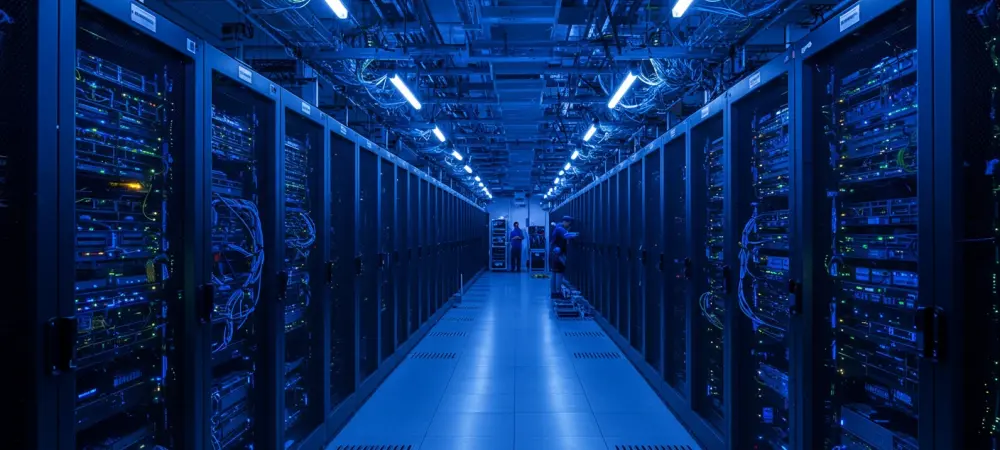
In the fast-paced world of artificial intelligence (AI), innovation is the name of the game, and Meta is setting the stage for a radical approach. Imagine bypassing traditional constraints in data center construction—Meta is doing just that with its use of temporary tent structures to accelerate AI infrastructure. The company’s bold strategy raises a critical question: Could this unconventional method redefine the race for AI dominance?
Nut Graph
Meta’s decision to erect tent-based data centers is not merely a logistical play; it’s a powerful statement in the cutthroat competition among tech giants. With AI as the new frontier, infrastructure is paramount for advancements in model development and deployment. The stakes are higher than ever, with implications ranging from ethical considerations to economic repercussions. Meta’s approach challenges industry norms, offering a glimpse into a future where speed and flexibility in infrastructure could become game-changers.
Body
Meta’s experimentation with tent-based data centers marks a pivotal shift from traditional construction methods that typically demand significant time and resources. Unlike permanent structures that require extensive planning and permits, these tents allow for rapid scaling, providing Meta with agility in the race for AI breakthroughs. Traditional centers take years to build, whereas tents offer immediate deployment, allowing Meta to meet the pressing demands for processing power without delay.
Leading voices in the field, including Mark Zuckerberg, emphasize the strategic rationale behind this move. Zuckerberg has been open about Meta’s ambitious plans, underscoring the need for immediate infrastructure to support game-changing AI models. Dylan Patel, CEO of SemiAnalysis, echoes the sentiment, observing that infrastructure constraints necessitate inventive solutions. The engineers at Meta, working within these tents, share their experiences of managing heat challenges and workload adjustments, providing a raw, human perspective to this technological endeavor. For other companies considering Meta’s path, several strategic steps and implications come into view. Exploring unconventional infrastructure like temporary facilities can yield rapid growth benefits for those who embrace such change. However, with this innovative approach come long-term considerations, such as environmental and operational impacts. Meta’s bold decisions could indeed set a precedent within the AI industry, ushering in a new era of infrastructure and competitive strategy.
Conclusion
As Meta continues to innovate and revolutionize its AI infrastructure with temporary tents, the impact of this approach is clear. The AI race does not simply hinge on technological prowess but also on the audacity to experiment with infrastructure. As Meta pushes the boundaries, other tech giants take note, sparking a broader conversation about the future of AI development and deployment. This unconventional strategy offers crucial insights into the potential for flexibility and efficiency, suggesting a transformative path for the entire tech industry.