

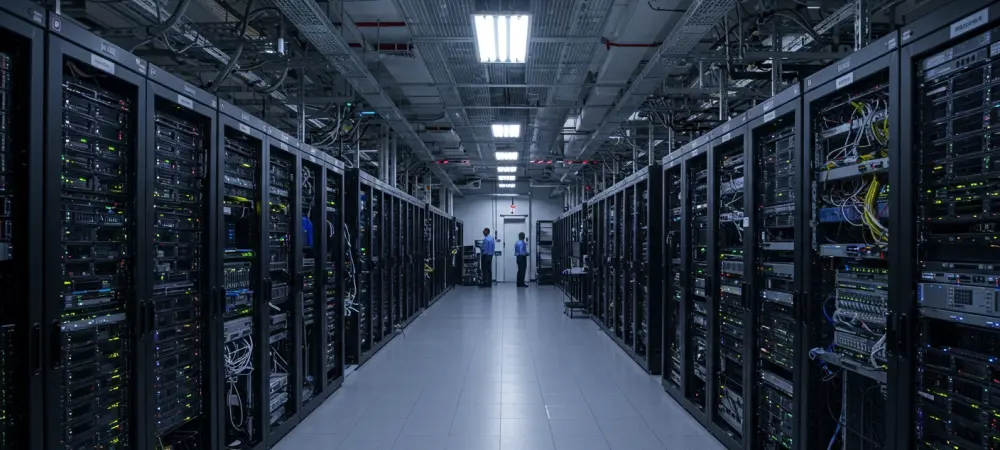
A significant development in AI infrastructure is underway at Teesworks, Teesside, where an ambitious data center project seeks to bolster the UK’s standing in artificial intelligence. Covering nearly 500,000 square meters, this facility is poised to become a keystone of AI computing, serving as the UK’s second AI Growth Zone alongside the Culham hub in Oxfordshire. Coordinated by the Department for Science, Innovation, and Technology (DSIT), this initiative aims to address the country’s expanding need for large-scale AI processing capabilities. Teesside’s advantageous features, such as ample brownfield land, energy sources, and regional support, position it as an ideal site, aligning seamlessly with the UK’s aspirations for AI leadership as highlighted in the AI Opportunities Action Plan and Compute Roadmap.
Challenges and Considerations in Establishing the AI Hub
Balancing Resource Utilization and Sustainability
However, not all aspects of the development have been straightforward, as concerns about sustainability and resource management loom large. The Department for Energy Security and Net Zero (DESNZ) has expressed apprehension over the project’s energy and water consumption, fearing potential clashes with ongoing and planned works, notably BP’s blue hydrogen and carbon capture initiative. These conflicting interests have engendered a somewhat charged atmosphere, with historical opposition from local entities and Teesworks Ltd to the carbon capture and storage undertakings. Such tensions underscore the necessity of sustainable approaches and adaptive solutions to navigate the convergence of ambitious technological advancements and responsible environmental stewardship.
The discord around resource allocation encapsulates broader dilemmas faced when deploying large-scale technological infrastructures. Governance issues compound these challenges, as calls for increased transparency have emerged. Last year, an independent review sought to address these governance issues through an improvement board tasked with enhancing public accountability. Navigating these complexities will require strategic finesse, ensuring the data center’s foundation does not compromise other infrastructural or ecological priorities but instead creates a symbiotic relationship with concurrent projects.
Governance and Transparency Concerns
Transparency, a cornerstone of effective governance, has posed yet another challenge for Teesworks. The independent review conducted in the previous year unearthed a variety of issues, prompting the establishment of an oversight board dedicated to bolstering public confidence by safeguarding accountability. By shining a light on governance flaws, the review has sparked a shift toward more transparent practices and decision-making processes, revealing complexities inherent in managing a groundbreaking project with such vast potential impacts. The lessons learned from this experience offer invaluable insights into the interplay between technological advancement and public trust.
As the improvement board works to implement transparency measures, ensuring consistency and openness in stakeholder engagement becomes paramount. These improvements are not just about rectifying past oversight but about paving the way for a more informed and involved community. This realignment seeks to foster trust, mitigate potential conflicts, and lay a foundation for future collaboration and innovation within Teesside’s burgeoning tech ecosystem. The outcome of these efforts will likely shape the overall reception of the Teesworks project and its long-term success.
Strategic Decisions Impacting Teesworks’ Future
Implications for Regional and National Economies
The future of Teesworks and its potential to become a cornerstone in the UK’s AI landscape hinges heavily on imminent strategic decisions. A critical judgment by Energy Secretary Ed Miliband regarding BP’s proposal is expected to significantly influence the project’s trajectory. Set to be announced by August 28, this decision will play a pivotal role in determining whether Teesworks forges ahead as a flagship AI site or succumbs to further delays. The ramifications of this determination extend well beyond Teesworks itself, carrying substantial weight for the broader cloud, satellite, and connectivity sectors across the region and nation.
A green light for Teesworks could herald a new epoch for Teesside, attracting technological investments and expertise, spurring regional economic growth, and bolstering the UK’s competitive standing in global AI industries. Conversely, a postponement could embolden opposing agendas and necessitate recalibrated strategies to realize the area’s full potential. Understanding and leveraging these economic dynamics is crucial, as the interrelations between technological infrastructure and economic vitality underscore the transformative capacity of such developments within local and national spheres.
The Balance Between Innovation and Regulation
The delicate balance between innovation and regulation remains a central theme in the unfolding story of Teesworks. Political and regulatory tensions present both obstacles and opportunities, illustrating the need for adept management of regional and national interests. The ability to harmonize diverse agendas while fostering innovation will be a decisive factor shaping Teesworks’ legacy as an AI hub. Navigating these complexities necessitates a keen understanding of governmental policies, regulatory frameworks, and stakeholder relations. This balance also represents a broader microcosm of the global conversation surrounding technology deployment in the 21st century. Addressing these challenges involves ensuring regulatory practices are not merely reactionary but are crafted to proactively nurture technological growth while safeguarding environmental and societal interests. The necessity of public-private coordination becomes evident, emphasizing that collaborative solutions are pivotal to achieving sustainable progress. The intricate dance between fostering innovation and ensuring responsible governance continues to define the strategic framework guiding Teesworks’ ambitions.
Future Prospects and Industry Implications
Positioning Teesworks in the AI Landscape
Should the Teesworks project manage to cut through existing challenges, its implications for AI training and enterprise-scale computing could be both transformative and far-reaching. As a vital digital resource in the UK and Europe, the center would significantly deepen the technological toolkit available to industries ranging from automotive to healthcare and finance. By expanding the computational capacity needed to support complex machine learning models, it could also empower innovation across technological frontiers, thus redefining strategic priorities within the AI sector.
Success in this endeavor could catalyze an array of ancillary developments, potentially elevating Teesworks as a go-to site for tech industry investments and intellectual capital. There is also the potential for Teesworks to nurture a vibrant ecosystem of startups, academia, and seasoned professionals converging to solve AI’s most pressing challenges, further solidifying the UK’s role in the global AI narrative. The resulting synergy could not only accelerate technological progress within established sectors but also spawn entirely new paradigms of digital transformation, signaling a new age of AI development.
Bridging Political and Technological Ambitions
The development project faces challenges not only from technical perspectives but also from sustainability and resource management concerns. The Department for Energy Security and Net Zero (DESNZ) has raised concerns about the project’s energy and water usage, fearing it might clash with other significant initiatives. Notably, BP’s blue hydrogen and carbon capture projects could see interference, which has heightened tensions. Local groups and companies like Teesworks Ltd historically opposed carbon capture and storage, revealing the necessity for sustainable and adaptable solutions to balance advanced technology with environmental responsibility.
These tensions around resource allocation reflect broader challenges in deploying large infrastructure projects. Governance issues further complicate matters, prompting demands for more transparency. An independent review conducted last year focused on improving governance with an aim to enhance public accountability through an improvement board. Successfully navigating these complexities requires strategic skill to ensure the data center supports rather than compromises other infrastructure and ecological priorities, fostering a harmonious relationship with ongoing projects.