

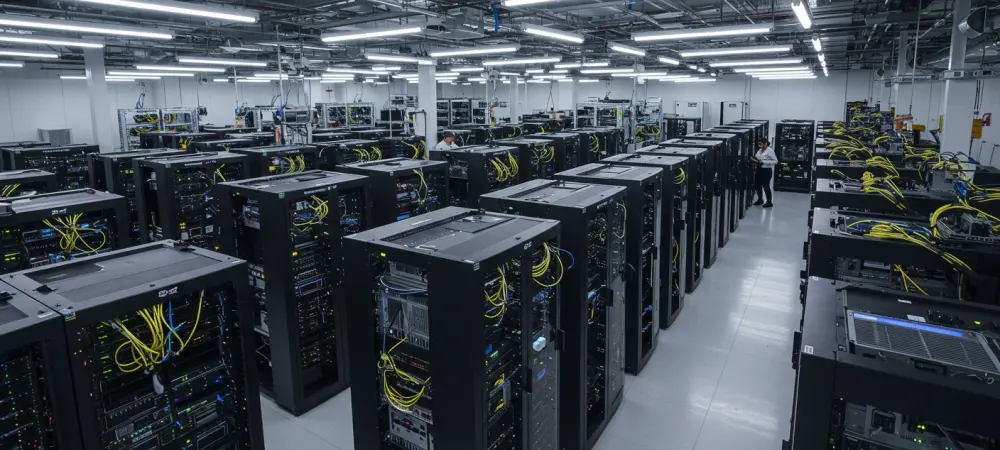
As Texas experiences an unprecedented surge in data center activity, the state grapples with the stability challenges posed to its electric grid, particularly within the Electric Reliability Council of Texas (ERCOT) domain. This report delves into the increasing significance of data centers, driven by technological advancements and industry demands, highlighting their integral role in Texas’ evolving energy landscape.
Overview of Data Center Industry in Texas
Data centers are becoming increasingly prominent in Texas, with their strategic presence crucial in supporting the state’s economic and technological advancement. These facilities store, manage, and disseminate data, forming the backbone of the digital economy. Key industry segments include colocation, cloud, and edge data centers, each influenced by technological innovations such as artificial intelligence and blockchain. Major market players focus on expanding infrastructure while navigating regulatory frameworks that govern construction, energy use, and environmental impact.
Trends Shaping the Data Center Industry in Texas
Key Industry Trends
Several trends are reshaping the data center industry in Texas. There is a noticeable increase in demand for digital services, fueled by technological progress and shifting consumer habits. Opportunities abound as companies seek to cater to this demand while harnessing innovations like edge computing for efficiency. Drivers such as data sovereignty concerns and the need for latency reduction ensure the industry grows while responding to emerging needs.
Market Data and Projections
Market growth data and future demand forecasts highlight an upward trajectory for Texas’ data centers. The state anticipates a demand nearing 70.5 GW by 2028, marking a considerable increase. Performance indicators, including power consumption and computational capacity, provide insights into the sector’s expansion. Current trends suggest a robust growth phase, with projections emphasizing further advancements as the industry adapts to technological shifts and greater consumer reliance on data services.
Challenges and Complexities in Meeting Grid Demand
While data centers are essential in driving digital transformation, they present significant challenges to Texas’ grid stability. Technological obstacles stem from the need to efficiently manage the high power demands, akin to heavy industries. Regulatory hurdles require compliance as new laws like Gov. Greg Abbott’s legislation necessitate curtailment during firm load shed events. Strategies focusing on smart grid technologies and demand response systems are crucial in ensuring these facilities contribute positively to grid stability.
Regulatory Landscape and Impacts
Texas’ data center sector operates within a complex regulatory environment, impacting operations and growth potential. Key regulations govern energy consumption and security protocols, with compliance ensuring operational reliability. Recent changes emphasize the importance of aligning practices with standards that safeguard data while addressing environmental concerns. These regulations play a vital role in shaping industry practices and ensuring centers function harmoniously within the broader energy ecosystem.
Future Directions for Data Centers in Texas
Looking toward the future, data centers in Texas are poised for substantial evolution. Emerging technologies like AI and machine learning promise significant shifts in operations, alongside potential disruptors such as quantum computing. Consumer preferences tilt toward greener solutions, influenced by sustainability demands. Areas for growth include energy-efficient infrastructure, incentivized by regulatory trends that encourage innovation to maintain grid stability and enhance performance.
Conclusion and Industry Outlook
The findings underscore the critical role data centers play in Texas’ economic trajectory, with stable grid demand necessitating adaptive strategies. Industry recommendations propose advancements in technology and infrastructure to meet increasing demand while boosting efficiency. Opportunities lie in strengthening partnerships and investments, with a focus on innovative solutions that address grid challenges. The path forward ensures data centers remain integral to Texas’ energy landscape, optimizing digital growth and grid reliability.