

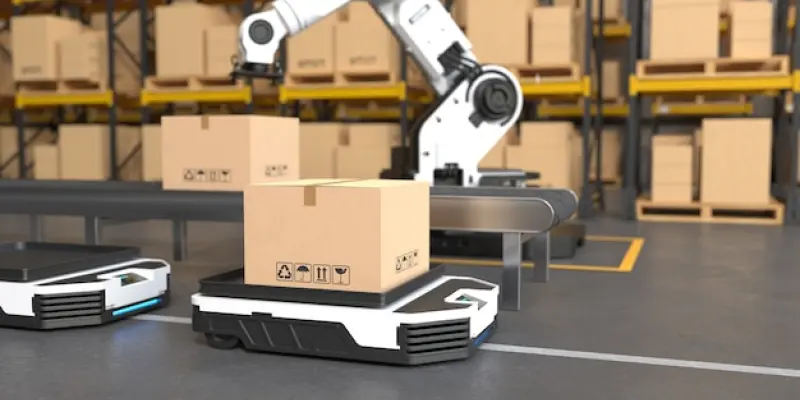
As the digital age progresses, companies are increasingly turning to artificial intelligence and robotics to enhance their operational efficiency. Leading this trend is Robust.AI, renowned for its sophisticated AI-driven warehouse automation solutions. Their strategic collaboration with Hon Hai Technology Group, widely recognized as Foxconn, is poised to alter the landscape of logistics. The partnership comes at a time when the demand for automation is rising, with the warehouse automation market expected to observe substantial growth, a testament to the promising solutions offered by AI-driven robots. Despite this anticipated growth, a significant portion of warehouses remain largely unautomated, underscoring the untapped potential within this sector.
Partnership Goals and Market Potential
Expanding Carter’s Influence
Through the strategic partnership, the production of Robust.AI’s Carter platform is set to scale, driven by the desire to meet soaring global demand and fortify supply chain resilience. The versatility of the Carter multifunction collaborative robot is exemplified through its software-defined capabilities, tailored to tasks like fulfillment picking, point-to-point transport, and mobile sorting. The deployment of Carter at a Las Vegas DHL facility demonstrates its impact, with productivity levels surging by an impressive 60%. Such results underscore the potential ripple effects that the expanded presence of Carter could have on warehouses and logistics operations globally, making it an attractive proposition for companies seeking efficiency. As the industry seeks innovative solutions, the collaboration between Robust.AI and Foxconn exemplifies a potent merging of innovative technology with manufacturing prowess. Foxconn’s advanced production capabilities position it well to scale up the production of Carter, ensuring rapid delivery and enhancing accessibility for multinational logistics companies. This emphasis on synergy between innovative solutions and robust production infrastructure propels both companies’ objectives of improving productivity in logistics. As AI-driven robots continue to advance, they provide a glimpse into the profound transformations reshaping how warehouses function, enhancing both the speed and accuracy of operations.
Addressing the Global Automation Gap
The global warehouse sector is on the brink of transformation, driven by both demand for more efficient solutions and the stark reality that a large percentage of warehouses still operate without automation. With the warehouse automation market projected to skyrocket, there is a growing realization of the potential economic gains for entities that pioneer and adopt these technologies. This presents an opportunity for companies like Robust.AI and Foxconn to fill this gap, transforming traditional operations while driving forward the logistics sector’s future. As innovations in robotics continue, the prospect of unautomated facilities becoming automated centers of efficiency is increasingly within reach.
Efforts to capitalize on the evident disparities in warehouse automation are crucial. Enterprises are encouraged to consider integrating technologies like Carter, which blend collaborative robotics with dynamic adaptability to optimize tasks efficiently. With engineers from Robust.AI and Foxconn working closely together on this endeavor, the partnership strengthens the platform’s scalability and reliability. These factors combine to create a compelling proposition for businesses seeking seamless integration of advanced robotics into their operations, marking a shift toward heightened efficiency and productivity. This characteristic flexibility helps cater to diverse operational requirements, narrowing the existing gap in the global warehouse sector.
Future Implications and Strategic Positioning
Enhancing Foxconn’s Robotics Endeavors
Foxconn’s investment in the realm of robotics aligns with its “3+3” development strategy, highlighting its intent to broaden its robotics manufacturing ventures. Collaborating with Robust.AI serves as a fundamental step in this strategic direction. By channeling resources toward efficient efforts alongside Robust.AI, Foxconn aims to transform its role in robotics manufacturing, ensuring swift production and global implementation of Carter robots. This concerted effort signifies a shared commitment to streamline warehouse operations. It showcases the potential arising from strategic alliances that strive to embed collaborative technologies within existing systems to reshape logistics paradigms. The unified approach to this collaboration stands as a testament to both entities’ vision of reimagining warehousing efficiency through strategic automation solutions. The partnership’s objectives resonate with broader industry trends that advocate for advanced robotics to improve operational workflows. Within the logistics realm, these progressive measures evidence a transformative shift toward automation, offering organizations the opportunity to augment productivity levels while attenuating operational stressors prevalent in conventional settings. This shared ambition and alignment in goals seamlessly integrate to revitalize how warehousing processes unfold across industries.
Addressing Industry Challenges
Despite the revolutionary potential of AI-driven robots in warehouses, challenges remain in integrating robotics seamlessly into current supply chain ecosystems. Adopting such advanced technologies requires adjusting existing operational frameworks, training personnel, and addressing concerns surrounding cybersecurity and data privacy. The transition from manual operations to automated systems presents hurdles that offer monumental rewards in terms of long-term efficiency, reliability, and cost savings.
Robust.AI and Foxconn’s partnership serves as a blueprint for effectively navigating these complexities, demonstrating the importance of collaboration in overcoming industry challenges. By addressing potential impediments and developing cohesive strategies, these companies position themselves at the forefront of industry innovation. Their collective efforts are instrumental in redefining warehousing operations, setting a precedent for others and leading the charge toward a more automated, efficient future in logistics. Embracing these challenges not only drives transformative benefits but also equips organizations with the tools necessary for sustainable growth in an ever-evolving digital era.
Pioneering a New Era in Logistics
As the digital age advances, businesses increasingly utilize artificial intelligence and robotics to boost operational efficiency. Leading this trend, Robust.AI is known for its cutting-edge AI-driven warehouse automation technologies. They have strategically partnered with Hon Hai Technology Group, commonly referred to as Foxconn, a major player in electronics manufacturing, aiming to revolutionize logistics. This partnership comes at a time when the demand for automation is soaring, with the warehouse automation market expected to witness substantial growth. AI-driven robots offer promising solutions, yet a significant number of warehouses remain unautomated, showcasing considerable opportunities for growth in this sector. These innovations cater to the need to streamline intricate processes, improve speed, and enhance accuracy. This shift toward automation underscores the enormous potential AI holds in revolutionizing logistics, helping businesses meet the growing demands of a swiftly changing digital market landscape.