

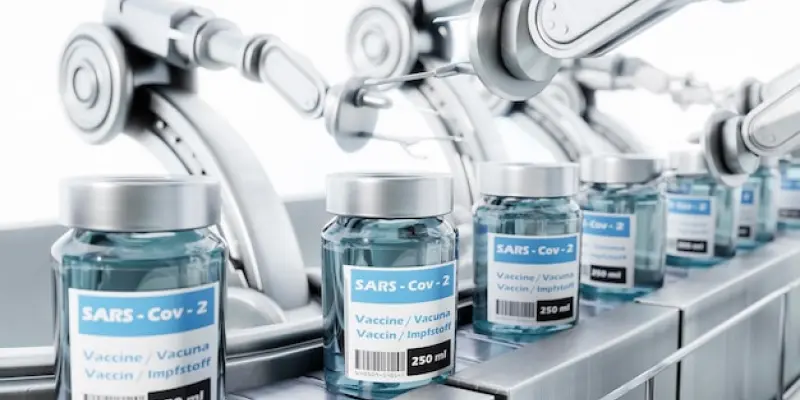
In today’s rapidly evolving world, robotics is reshaping the landscape of many industries, and pharmaceutical logistics is no exception. With the mounting demand for efficient and error-free delivery of life-saving medications, robotics offers a vital solution to some pressing challenges in the sector. The need for precision and speed in pharmaceutical supply chains has never been more critical. Human error and inefficiencies prevalent in manual depot processes can lead to mismanagement of sensitive products, posing significant risks to both patient safety and regulatory compliance. By harnessing robotics and automation, pharmaceutical companies strive to achieve a higher level of operational efficiency, ensuring that high-stakes inventory is managed proficiently and securely. This article explores the transformative impact of robotics and automation technologies on pharmaceutical logistics, examining how these advancements are addressing fundamental industry challenges, particularly in warehousing, storage, and distribution operations, crucial for maintaining compliance with stringent regulatory standards.
Automation in Pharmaceutical Warehousing
Automation’s pivotal role in revolutionizing pharmaceutical warehousing stems from its ability to mitigate widespread issues linked to human-driven operations. Traditional logistics methods in the industry are riddled with potential for error, endangering compliance with Good Manufacturing Practice (GMP) or Good Distribution Practice (GDP) standards, which can lead to regulatory penalties and degraded customer satisfaction. The sector faces the added complication of navigating complex international supply chains and adapting to evolving geopolitical factors, recalls, and a surge in patient demand. Robotics presents a promising solution, delivering unprecedented accuracy and efficiency within warehouse settings, thereby reducing these risks and optimizing the supply chain.
Incorporating robotics into this logistical framework greatly minimizes human error while ensuring that operational procedures are executed with utmost precision. With the help of advanced systems, error potentials, such as misplacement or incorrect dispatch of pharmaceutical products, are significantly reduced. These automated solutions also adapt to the intricate requirements of different international pharmaceutical regulations, providing even more beneficial outcomes by easing the management of global logistics. Furthermore, automation facilitates seamless transitions and adaptations, enhancing the ability of companies to meet strict deadlines and high demand. The implementation of such technologies signifies a pivotal shift in the efficiency and reliability of pharmaceutical logistics, fulfilling both regulatory and customer expectations with increased precision and speed.
Addressing Labor Shortages and Increased Demand
A growing concern for many industries, including pharmaceuticals, is the persistent shortage of skilled labor amplified by global demographic changes. These changes predict that by 2050, one in every six individuals will be over 65, contributing to an aging workforce and further straining viable labor sources. This labor shortage is exacerbated by escalating demand for pharmaceutical products, especially in emerging fields like cell and gene therapies (CGTs) and anti-obesity medications. Robotics and automation present a powerful solution to this labor crisis, enhancing workforce flexibility and productivity.
Automation not only introduces efficiencies in supply chain management but also compensates for labor shortages through optimized warehousing processes. Robots can execute repetitive tasks tirelessly and with precision, reducing the reliance on a human workforce while maintaining high productivity levels. This technological infrastructure enables companies to better respond to sudden demand spikes and ensure timely distribution of critical medications, enhancing both operational agility and resilience. Embracing automation and robotics in addressing workforce constraints provides the pharmaceutical industry with an opportunity to stay ahead of surging demand curves, securing uninterrupted supply lines amidst these challenges.
Ocado Intelligent Automation: A Case Study
Ocado Intelligent Automation presents a leading-edge example of how robotics can transform pharmaceutical logistics. Known initially for revolutionizing grocery delivery, the company has innovated within the pharmaceutical sector through its Ocado Storage and Retrieval System (OSRS). The OSRS adapts Ocado’s successful online fulfillment strategies to the different demands and intricacies of pharmaceutical warehousing. Emphasizing efficiency, the OSRS’s advanced capabilities, including ultra-high-density and cubic automated storage, facilitate significant advancements in inventory management, allowing for enhanced order throughput and accuracy. The complexity and speed of OSRS’s automation systems exemplify technological prowess in logistics. Utilizing a cubic storage grid system, the OSRS maximizes warehouse space efficiency while robots, orchestrated by artificial intelligence, perform inventory retrieval and storage at unprecedented speeds. This system optimizes routing and sequence decisions in real-time, ensuring rapid completion of tasks and the highest distribution accuracy. The meticulous design allows OSRS to deliver a 50-item order in a mere five minutes. Enforced by rigorous environmental controls, OSRS ensures traceability and compliance, crucial for handling sensitive pharmaceutical products.
Security and Compliance Advantages
The introduction of sophisticated robotic systems like the OSRS brings security and compliance benefits, crucial for handling sensitive pharmaceutical materials such as narcotics and precursor chemicals. The system’s automated nature adds layers of security by minimizing unauthorized human access, pivotal for reducing risks associated with product loss, theft, or damage. Featuring an intelligent buffer grid, OSRS maintains picked orders within compliant conditions until dispatch, offering a robust safeguarding measure for valuable inventory.
Effective security management is vital in the pharmaceutical logistics sector. With increased attention on maintaining regulatory compliance, automated systems like OSRS function as both security and operational enhancements. By implementing thorough access restrictions, the system diminishes vulnerabilities associated with unauthorized access. Coupled with real-time monitoring capabilities, it enables the pharmaceutical industry to manage risk proactively, achieving high standards of compliance. This milestone represents a significant leap forward in pharmaceutical logistics, establishing new benchmarks for managing high-stakes and sensitive inventory reliably and securely.
Algorithmic Innovations in OSRS
The OSRS system stands out due to its state-of-the-art algorithmic capabilities, fostering integrations with pharmaceutical enterprise resource planning (ERP) systems, warehouse execution systems (WES), and warehouse management systems (WMS). This comprehensive integration streamlines demand forecasting processes and mitigates the risks of shortages or overstocking. Through sophisticated algorithms powered by machine learning and artificial intelligence, OSRS perpetually enhances warehouse slotting operations, substantially improving efficiency and customer service levels.
The system’s intelligent putaway algorithms improve operational throughput, promoting efficiency across picking, storage, and dispatch sequences. This flexibility accommodates the pharmaceutical industry’s need for expedient solutions, such as same-day orders and adaptive dispatch cut-off times. OSRS also adheres to first-expired, first-out (FEFO) policies, employing predictive maintenance algorithms to proactively address hardware challenges, safeguarding system reliability and performance.
Concluding Thoughts on Logistics Transformation
In our fast-changing world, robotics is revolutionizing many sectors, including pharmaceutical logistics. As the need for fast, accurate medication delivery grows, robotics emerges as a crucial answer to key industry challenges. The demand for precision and quickness in pharmaceutical supply chains is at an all-time high. Errors and inefficiencies in manual handling can lead to mishandling sensitive products, risking patient safety and violating regulatory standards. By implementing robotics and automation, pharmaceutical firms aim to boost operational efficiency, ensuring essential inventory is managed with care and precision. This article delves into how robotics and automation are transforming pharmaceutical logistics, specifically improving warehousing, storage, and distribution processes critical for following stringent regulatory requirements. These advancements are essential in addressing the industry’s core challenges, thereby enhancing the reliability and safety of pharmaceutical supply chains in today’s competitive landscape.