

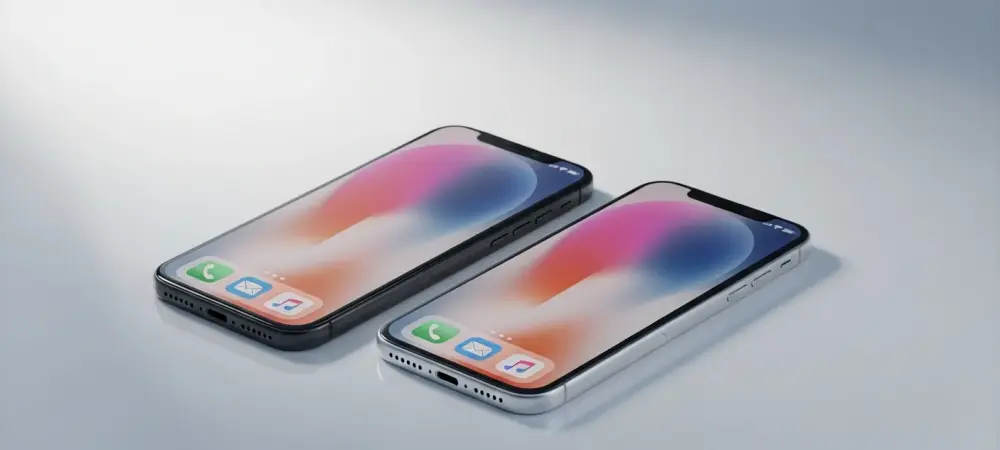
Dominic Jainy is a seasoned IT professional with a profound understanding of how artificial intelligence, machine learning, and hardware logistics intersect in the modern consumer electronics market. With years of experience monitoring supply chain dynamics and the evolution of high-end mobile technology, he provides a unique perspective on the strategic shifts currently being observed in the global smartphone industry. Our conversation explores the implications of Apple’s potential move to extend production cycles for current models and the ripple effects of a staggered release schedule on consumer behavior and manufacturing complexity.
When production cycles for a current flagship are extended to cover major global sales events like Singles’ Day, how does this impact inventory management and what specific logistical challenges arise when trying to maintain high capacity for an older model alongside newer releases?
Extending the production of a device like the iPhone 17 specifically to hit targets for Singles’ Day on November 11 is a massive logistical undertaking that shifts the traditional manufacturing rhythm. Typically, we see a wind-down of older models to make room for the new, but maintaining high capacity for an existing model requires managing a dual-stream supply chain where parts for both generations compete for assembly line space. This creates a high-pressure environment for inventory managers who must balance the raw material flow for a proven seller while ramping up for a new launch. If the company miscalculates the demand during these massive Chinese sales events, they risk being left with a surplus of older stock just as the market’s attention shifts toward the next generation. It is a delicate dance of ensuring that the iPhone 17 remains readily available and competitive in price without cannibalizing the logistical resources needed for the newer Pro variants.
If a company shifts from a unified product launch to a staggered release where premium models arrive months before the base version, what are the strategic benefits for market positioning and how might this change affect consumer purchasing patterns for the standard model?
A staggered release allows a company to spotlight its most expensive and technologically advanced models, like the iPhone 18 Pro and Ultra, without the distraction of a cheaper alternative being released on the same day. By launching the premium tier in the fall and pushing the base model to early 2027, the brand creates a clear distinction in value, effectively guiding early adopters and power users toward the higher-margin products. This strategy can lead to a significant boost in average selling prices during the holiday quarter as enthusiasts opt for the available Pro models rather than waiting months for a standard version. However, the risk is that the standard model might lose its “newness” factor by the time it finally hits the shelves, potentially forcing consumers to look toward competitors who offer a more traditional fall release. It fundamentally changes the consumer mindset from choosing between a “good and better” model at launch to deciding whether to buy the best now or wait indefinitely for the basic option.
Considering the surge in component prices and its effect on the pricing of upcoming Pro models, what specific manufacturing cost-saving measures can be implemented to keep base models competitive and how do these price hikes influence the long-term product roadmap?
As component prices for advanced sensors and processors surge, manufacturers are forced to get creative with the base models to keep them affordable for the mass market. One of the primary cost-saving measures is the reuse of previous-generation internal hardware, such as the chips or camera modules found in the iPhone 17, which benefits from matured yields and lower production costs. We may also see a divergence in materials, where the “Air” or standard models utilize more cost-effective alloys or glass treatments compared to the titanium or advanced ceramics used in the Pro Max. These price hikes essentially split the roadmap into two distinct paths: a high-end “luxury” track that prioritizes cutting-edge innovation at any cost and a “value” track that focuses on reliability and design. Over the long term, this ensures that the brand remains accessible to a wide demographic, even as the ceiling for flagship pricing continues to rise.
With rumors of a new “Air” variant and borderless, all-curved screen designs on the horizon, how do these hardware innovations complicate the manufacturing process and what metrics should be used to determine if a radical design is ready for mass-market release?
Introducing a borderless, all-curved screen is a nightmare for manufacturing yields because the fragility of the glass and the precision required for the touch-sensitive edges increase the failure rate during assembly. Every curve introduced to the chassis requires specialized CNC machining and a rethink of how internal components, like the battery and logic board, are packed into an increasingly thin “Air” frame. To determine if such a radical design is ready, engineers look at durability stress tests and “drop-to-failure” metrics, ensuring the phone doesn’t just look beautiful but can survive everyday use. They also monitor the “yield rate”—the percentage of units that come off the line without defects—because if that number is too low, the cost of each successful unit becomes prohibitively expensive. Only when the production line can consistently hit a high yield of these complex designs can a company commit to a global mass-market release without risking a PR disaster over screen fragility.
If a standard model is pushed into the following calendar year while Pro models maintain their usual fall schedule, how does this disrupt the typical annual upgrade cycle and what steps should be taken to ensure brand loyalty remains intact during the gap?
Pushing the standard iPhone 18 to early 2027 breaks the decade-long tradition of a September “everything” event, which may leave some loyalists feeling neglected or confused. This disruption means the annual upgrade cycle is no longer a synchronized global moment but a fragmented series of launches that require constant marketing engagement to keep the brand top-of-mind. To maintain loyalty during this gap, the company must provide continuous software updates and perhaps mid-cycle color refreshes or exclusive features for the existing iPhone 17 to bridge the time. They need to communicate clearly that the wait for the standard model is due to a commitment to quality or a significant design leap, like the rumored “Air” thinness, rather than a mere delay. By framing the staggered release as a way to give each product its own dedicated moment, they can turn a potential frustration into an anticipation-building exercise.
What is your forecast for iPhone release strategies?
I expect we are entering an era of “permanent availability,” where the distinction between “this year’s model” and “last year’s model” becomes increasingly blurred. We will likely see Apple move toward a biannual release cadence—Pro models in the fall to capture the premium holiday market, and a redesigned standard or “Air” model in the spring to revitalize sales during the slower first half of the year. This approach maximizes supply chain efficiency, allows for more radical design changes without risking the entire lineup, and ensures that the company dominates the news cycle twice a year instead of just once. Ultimately, this strategy will turn the iPhone from a single annual event into a year-round ecosystem of rolling hardware updates tailored to specific consumer segments.