

Two decades of relentless iteration have culminated in a device that finally attempts to dissolve the boundary between the digital interface and its physical housing. This anniversary model arrives at a time when the smartphone market has largely plateaued, offering a radical departure from the iterative updates seen in recent years. By focusing on a seamless aesthetic, the device moves closer to the long-standing industry dream of a frictionless interaction between hardware and software.
The release marks a significant pivot from the utilitarian designs of the past, positioning the smartphone as a cohesive, monolithic object. This shift reflects a mature understanding of consumer desires for both high fashion and high performance. As a benchmark for flagship integration, this model sets a high bar for competitors, challenging the industry to reconsider the necessity of visible ports, buttons, and sensors.
Reimagining the Smartphone: The Concept of the Anniversary Edition
At the heart of this new direction is the “single slab of glass” philosophy, a design ethos that seeks to remove every visual distraction from the front and sides of the device. This approach is not merely about aesthetics; it represents a fundamental change in how a user interacts with mobile technology. By eliminating the structural interruptions of traditional frames, the handset achieves a level of immersion that previous generations could only approximate through software tricks.
This evolution is rooted in the two-decade legacy of refinement, where each internal component has been miniaturized or hidden to prioritize the screen. In the broader technological landscape, this model functions as a definitive proof of concept for the post-button era. It differentiates itself from competitors by refusing to compromise on structural integrity, utilizing materials that feel organic rather than industrial.
Breakthrough Hardware and Integrated Components
Solid-State Architecture and Haptic Control
The transition from mechanical to solid-state buttons is perhaps the most tangible change for the long-time user. By replacing physical travel with advanced haptic feedback, the device creates a convincing illusion of movement while remaining completely sealed. This implementation utilizes pressure-sensitive recognition that can distinguish between a deliberate press and an accidental pocket touch, providing a level of precision that mechanical switches lack. Crucially, a dedicated ultra-low-power chip manages these interactions, ensuring that the haptic response remains active even if the primary battery is depleted. This failsafe mechanism addresses a major concern regarding solid-state reliability, allowing users to initiate emergency functions or hard resets regardless of the power state. This architectural shift significantly improves water resistance and long-term durability by removing the mechanical points of failure that typically plague aging hardware.
Under-Display Optical and Audio Systems
The pursuit of a truly “all-screen” face has led to the successful integration of Under-Display Infrared (UDIR) technology. This system allows Face ID to function through the active pixels of the display without requiring a notch or a dynamic cutout. Unlike earlier attempts by competitors that suffered from visible sensor grids, this implementation maintains pixel density and color accuracy across the entire panel, making the hardware beneath the glass virtually invisible to the naked eye. Complementing this visual clarity is a vibrotactile sound system that replaces the traditional earpiece. By vibrating the display glass itself to produce audio, the device eliminates the need for an earpiece gap, which has historically been a magnet for dust and moisture. This method provides a more private listening experience by directing sound waves specifically toward the user’s ear, further separating this flagship from the standard speaker designs used in the wider market.
Evolutionary Shifts in Power and Display Standards
Underpinning these design innovations is a massive 6,000mAh battery, a capacity previously reserved for bulky rugged phones. This leap in energy density is paired with a dual-layer OLED panel, which stacks two light-emitting layers to achieve higher peak brightness while consuming less power. This combination ensures that the device can handle the intensive demands of high-resolution gaming and professional video editing without the thermal throttling often seen in thinner handsets.
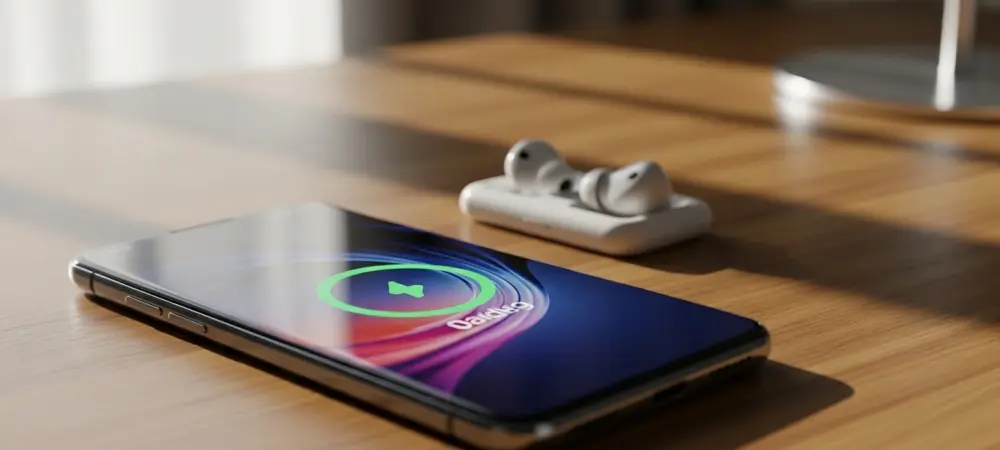
Furthermore, the implementation of reverse wireless charging expands the device’s role within the broader product ecosystem. The ability to charge peripherals like earbuds or smartwatches directly on the back of the phone transforms the handset into a central hub for power management. These standards represent a significant upgrade over the power constraints of the early 2020s, reflecting a shift toward a more self-sufficient and capable mobile workstation.
Real-World Applications and Consumer Impact
The practical benefits of this technology are most evident in professional environments where durability and reliability are paramount. The advanced Ceramic Shielding offers a level of scratch and impact resistance that reduces the need for protective cases, allowing the design to remain visible without sacrificing safety. For mobile photographers, the seamless interface provides an unobstructed viewfinder, making the process of framing shots feel more like looking through a window than a screen.
In the realm of media consumption, the lack of a notch or punch-hole camera creates a cinematic experience that was previously impossible on such a portable scale. This immersive quality enhances the impact of high-dynamic-range content, as there are no hardware artifacts to break the visual flow. The result is a device that feels less like a tool and more like an extension of the user’s vision, significantly impacting how digital media is created and viewed.
Navigating Technical Hurdles and Market Obstacles
Despite the impressive integration, the technology faces notable challenges regarding the optical clarity of under-display cameras. While software-driven image correction has improved, capturing professional-grade selfies through a layer of active pixels remains a complex task. Engineers must constantly balance pixel transparency with the need for high-resolution display output, a trade-off that requires sophisticated machine-learning algorithms to restore detail and color balance in post-processing.
Regulatory and cost-related hurdles also persist, as the specialized components required for solid-state haptics and dual-layer displays drive the retail price into the ultra-premium tier. Maintaining high yield rates for such intricate hardware is a constant battle in mass production. However, ongoing development efforts are focused on refining sensor sensitivity and reducing manufacturing costs, suggesting that these high-end features will eventually migrate to more affordable models in the coming years.
Shaping the Next Decade of Mobile Computing
The iPhone 20 serves as more than just a commemorative milestone; it establishes the architectural foundation for the next decade of mobile computing. By perfecting the under-display technologies and solid-state controls, the industry is now prepared to transition toward even more radical form factors, such as the rumored foldable “iPhone Ultra.” The lessons learned here regarding component miniaturization and thermal management will be vital for future devices that require flexible or modular designs.
Looking forward, breakthroughs in battery chemistry, such as silicon-anode cells, will likely build upon the 6,000mAh benchmark set by this model. The long-term impact of this anniversary edition lies in its role as a bridge between the era of the glass-and-metal sandwich and the future of ambient computing. It has effectively redefined what a flagship should be, moving away from a list of specs toward a more holistic and integrated user experience.
Final Verdict on the 20th Anniversary Milestone
The 20th anniversary model successfully integrated hidden hardware and enhanced power efficiency to create a device that felt like a cohesive whole rather than a collection of parts. This achievement validated the long-term vision of a seamless mobile experience, proving that complex sensors and speakers could exist beneath the surface without compromising functionality. The device was not merely a retrospective of past successes but a bold assertion of future intent. Ultimately, the transition to a portless and buttonless design represented a decisive moment for the mobile sector. By prioritizing structural integrity and immersive display technology, the model established a new standard for high-end smartphones. The focus shifted toward sustainable power and durable materials, ensuring that the technology remained relevant for years to come. This anniversary milestone was a clear signal that the next era of mobile innovation had officially begun.