

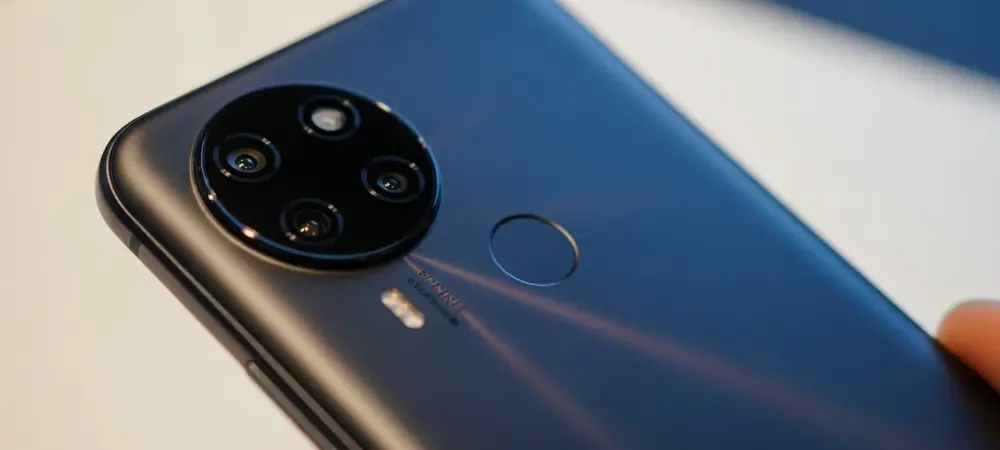
The persistent demand for affordable mobile technology has forced manufacturers to reconsider how much value can be squeezed into a single entry-level chassis without compromising basic usability. In a landscape where flagship prices continue to escalate, the recent introduction of the Honor Play 70C into the Chinese market represents a calculated attempt to redefine what consumers should expect from a budget-friendly device. This smartphone enters the arena as a sibling to the Play 80 Plus, emphasizing a pragmatic approach to daily digital tasks through the integration of the MediaTek Helio G81 Ultra chipset. By shipping with MagicOS 9.0 based on Android 15, the manufacturer ensures that even those spending less on hardware can benefit from contemporary software optimizations and security protocols. This strategic alignment suggests a shift in the industry toward prioritizing longevity in software support even for the most accessible price points. The device manages to bridge the gap between pure utility and modern aesthetics, appealing to a demographic that requires reliability over raw high-end performance. As mobile ecosystems become more demanding, the inclusion of an optimized processor helps maintain a responsive interface. This transition indicates that the entry-level segment is no longer just about survival but about providing a seamless gateway into the broader digital world.
Balancing Performance and Portability: The Hardware Strategy
To achieve a competitive edge, the device incorporates a 6.75-inch TFT LCD panel that supports a 90Hz refresh rate, a feature that was once reserved for mid-range and premium segments. This higher refresh rate significantly enhances the fluidity of system animations and scrolling, making the HD+ resolution display feel more modern during intensive use. Despite the inherent limitations of LCD technology compared to more expensive alternatives, the large screen real estate remains a primary selling point for users who prioritize media consumption and readability. Beyond the display, the physical engineering of the handset is noteworthy, as it maintains a slim profile of just 7.89mm and a weight of 186 grams. Such dimensions are impressive given the substantial internal components, offering a comfortable grip for prolonged one-handed operation. The minimalist camera setup, featuring a 13-megapixel rear sensor and a 5-megapixel front-facing lens, avoids the common trend of adding redundant sensors purely for marketing optics. Instead, it focuses on delivering basic photographic utility for social sharing and video calls. This streamlined approach allows the hardware to remain lightweight while still feeling sturdy enough for daily wear. The choice of three distinct colors, including Lake Blue and Moonlit Silver, further positions the device as a stylish yet functional tool for the budget-conscious consumer.
Endurance and Accessibility: Defining the User Experience
Battery life remains a critical concern for modern users, and the 5,300mAh cell integrated into this model addressed this need by promising up to 71 hours of standby time. This endurance allowed for approximately 14 hours of continuous social media usage, which established a high bar for power management in the sub-CNY 800 category. The pricing structure, starting at CNY 599 for the 4GB RAM variant and peaking at CNY 799 for the 128GB storage model, ensured that the technology stayed accessible to the widest possible audience. Potential buyers should look toward these high-capacity battery options if their primary goal is reducing daily charging frequency while maintaining basic connectivity. In the coming years, consumers seeking budget upgrades would be wise to evaluate how integrated software like MagicOS 9.0 handles memory management over time. Those moving from older hardware found immediate utility in the retained 3.5mm headphone jack, suggesting that prioritizing legacy ports and battery density provided the most practical path forward for entry-level mobile development. Moving forward, the focus for users should remain on identifying devices that balance these core hardware essentials with up-to-date operating systems to ensure security and app compatibility. The industry move toward high-refresh screens in this segment indicated that visual quality is no longer a luxury but a baseline expectation for the global market.