

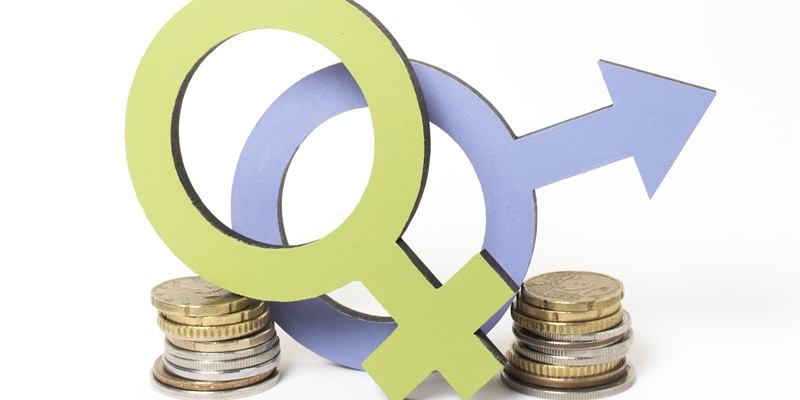
The recent decision by Chile and Turkey to join the Equal Pay International Coalition (EPIC) could signify a substantial global shift towards closing the gender pay gap. This global initiative, aimed at achieving equal pay for work of equal value, now includes 27 government members and 63 total members, encompassing diverse stakeholders such as employers’ and workers’ organizations, international bodies, academia, and civil society. Prior to this development, both Spain and Japan, already members of the coalition, vowed to amplify their efforts in support of EPIC’s mission. Through their participation, these nations and organizations underline a collective commitment to addressing gender pay disparities and promoting sustainable economic growth.
EPIC’s mission is anchored in the United Nations Sustainable Development Goal Target 8.5, which aspires to ensure equal pay for work of equal value by 2030. This target demands a robust and collaborative partnership among various stakeholders to make significant headway. By aligning with EPIC, new members like Chile and Turkey are not just making symbolic gestures; they are also gaining access to a global network of support and expertise dedicated to solving this pervasive issue. Such moves are critical as the gender pay gap remains a stubborn problem locally and internationally, affecting various demographics with unique challenges.
The Broader Impact of Chile and Turkey’s Commitment
In July, during an EPIC event held in Brazil in collaboration with the Brazilian Ministry of Labor and Employment and alongside G20 meetings, Chile and Turkey formally committed to the coalition. This event spotlighted the persistent issue of the gender pay gap, with statistics revealing that women, on average, earn less than 80 cents for every dollar earned by men. Chidi King of the International Labour Organisation (ILO) emphasized that the disadvantages are even more pronounced for subgroups such as women with children, women of color, refugees, migrants, women with disabilities, and indigenous women, especially those in the informal economy.
The decision by Chile and Turkey to join EPIC sends a strong message about their commitment to rectifying these disparities. While many countries have implemented legislative measures aimed at closing the gender pay gap, no nation has managed to fully eradicate it. By becoming part of EPIC, Chile and Turkey are not just adding to the coalition’s numbers; they are also acknowledging the critical need for a more comprehensive and coordinated effort to target this issue. Legislative action, while vital, has proven insufficient alone. It requires the support of international coalitions, robust data collection, and innovative approaches to tackle the deep-rooted cultural and economic underpinnings of gender pay discrepancies.
Challenges and the Path Forward
Despite the positive momentum, the journey towards achieving the United Nations Sustainable Development Goal Target 8.5 is fraught with challenges. Celeste Drake, ILO Deputy Director-General, has stressed the imperative of not only making the pay gap visible but also effectively measuring it and discovering innovative solutions to accelerate progress. This comprehensive approach is indispensable given the multifaceted nature of wage inequality, which is influenced by numerous social, economic, and policy-related factors. As members of EPIC, countries have a shared platform where they can exchange best practices, policy frameworks, and innovative solutions tailored to their specific contexts.
The importance of international cooperation in addressing the gender pay gap cannot be overstated. No single country or organization can resolve this deeply entrenched issue in isolation. The symbiotic relationship between national governments, global bodies like the ILO, and civil society organizations forms the backbone of EPIC’s strategy. As new members, Chile and Turkey will need to leverage this extensive network to implement effective measures and track their progress rigorously. Such a coordinated effort is essential for driving systemic change, fostering equal opportunities, and ultimately realizing economic and social justice for all genders.
The Collective Responsibility
The recent decision by Chile and Turkey to join the Equal Pay International Coalition (EPIC) marks a significant step toward narrowing the global gender pay gap. This initiative, dedicated to ensuring equal pay for equal work, now boasts 27 government members and a total of 63 members, which includes employers’ and workers’ organizations, international bodies, academia, and civil society. Prior to this, Spain and Japan, both coalition members, pledged to intensify their efforts in support of EPIC’s mission. By joining EPIC, these nations and organizations demonstrate a collective commitment to tackling gender pay disparities and fostering sustainable economic growth.
EPIC’s mission is rooted in the United Nations Sustainable Development Goal Target 8.5, which aims for equal pay for equal work by 2030. Achieving this goal necessitates strong, collaborative partnerships among various stakeholders. Chile and Turkey’s alignment with EPIC is more than symbolic; it enables them to tap into a global network of support and expertise dedicated to addressing this pervasive issue. Such efforts are crucial as the gender pay gap continues to be a persistent problem worldwide, impacting different demographics uniquely.