

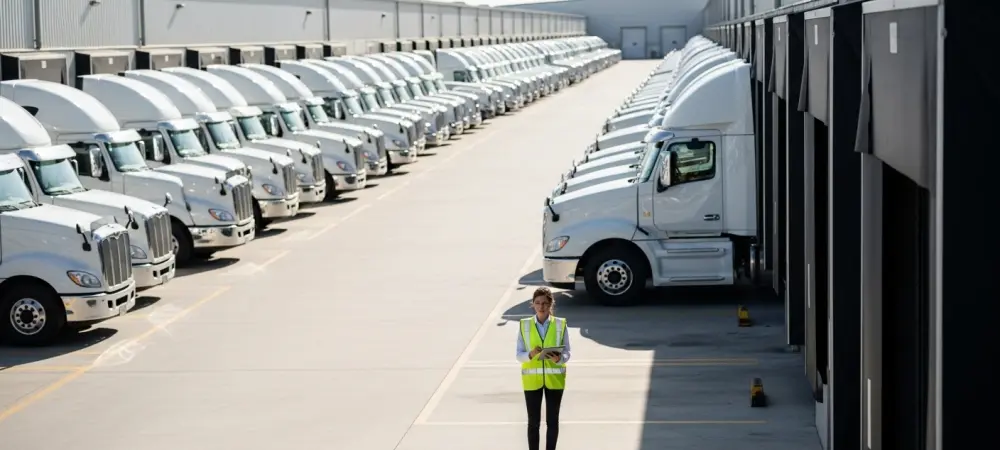
The trucking industry has long functioned as a barometer for national economic health, yet a massive federal lawsuit against Central Transport, LLC suggests that modern logistical efficiency may be masking deep-seated exclusionary practices within the workforce. Filed in the U.S. District Court for the District of Arizona under Case No. 2:26-cv-02201, the litigation represents a significant effort by the Equal Employment Opportunity Commission (EEOC) to address alleged systemic gender discrimination. The agency contends that this major nationwide carrier has maintained a consistent pattern of refusing to hire qualified female drivers, despite a glaring need for skilled labor across the sector. This legal action spans a vast operational network, covering more than 200 terminals across the United States from early 2026 into the foreseeable future. By bringing these allegations to the forefront, federal regulators are signaling a new era of scrutiny for heavy industry players who may still be clinging to outdated hiring methodologies.
Allegations of Systematic Recruitment Barriers
Discrepancies in Hiring Standards: A Case of Two Standards
Specific accounts from veteran female drivers form the backbone of the EEOC’s case, painting a vivid picture of a hiring culture that appears to actively sideline women. In Phoenix, Maquater Hamilton, a professional driver with 15 years of experience behind the wheel, was allegedly denied an interview without any justification provided by the company. Meanwhile, the lawsuit claims that a male applicant with only two months of experience was hired for a similar role, despite failing to meet the company’s own mandatory six-month minimum requirement for new recruits. This stark contrast suggests that gender, rather than professional qualifications or safety records, may have been the primary filter used by terminal management during the selection process. Such instances highlight a potential disconnect between official corporate policies and the actual day-to-day practices occurring at the local terminal level, where individual biases can often supersede established hiring guidelines.
Terminal Management Practices: Documented Exclusionary Trends
Beyond individual anecdotes, the litigation outlines a broader, more disturbing trend that reportedly extends to major logistics hubs including Detroit, Chicago, Atlanta, and Memphis. Documentation provided to the court includes accounts of Cassandra Coleman, a veteran with 21 years of experience, who was reportedly discouraged from even submitting an application to the carrier. In some instances, terminal managers allegedly made blunt statements indicating that they were simply not allowed to hire women at their specific locations. Perhaps most egregious are reports of female applicants witnessing their paperwork being discarded while their male relatives, applying for the same positions, had their applications processed and accepted immediately. This pattern of behavior suggests that the barriers to entry for women in the trucking industry are not merely incidental but are instead deeply embedded within the operational habits of the organization’s widespread terminal network.
Corporate Transparency and Regulatory Compliance
Recordkeeping Failures: The Challenge of Missing Data
A critical component of the EEOC’s legal strategy involves the company’s alleged failure to maintain accurate and transparent employment records, which is a federal requirement for large-scale operations. The lawsuit asserts that Central Transport failed to produce thousands of paper applications from previous years and withheld vital interview notes that could have clarified their hiring decisions. Furthermore, while the carrier provided workforce reports that included gender-specific data, it simultaneously claimed a lack of information regarding the gender of its hires during the specific periods under investigation. This inconsistency creates a significant hurdle for regulatory oversight and suggests a lack of accountability within the corporate structure. At the Phoenix terminal, management could not recall a single instance of a woman being hired as a driver, reinforcing the agency’s claim that the absence of female representation was a systemic outcome rather than a series of isolated occurrences.
Future Industry Implications: Strategies for Fair Recruitment
The resolution of this case will likely require a fundamental shift in how logistics firms manage their human resources and recruitment technologies. The EEOC sought a permanent injunction to halt these discriminatory practices, alongside back pay and compensatory damages for the affected women. To move forward, companies must prioritize the implementation of centralized, digital hiring platforms that utilize blind screening processes to remove gender identifiers during the initial stages of recruitment. Establishing independent auditing protocols for terminal-level hiring decisions can also ensure that local managers adhere to federal equal opportunity standards. Moving from 2026 to 2028, the industry should focus on transparent reporting and rigorous internal training to dismantle legacy biases. By adopting standardized, data-driven hiring metrics, organizations can foster a more inclusive environment that values technical skill over gender, ultimately strengthening the resilience of the national supply chain.