

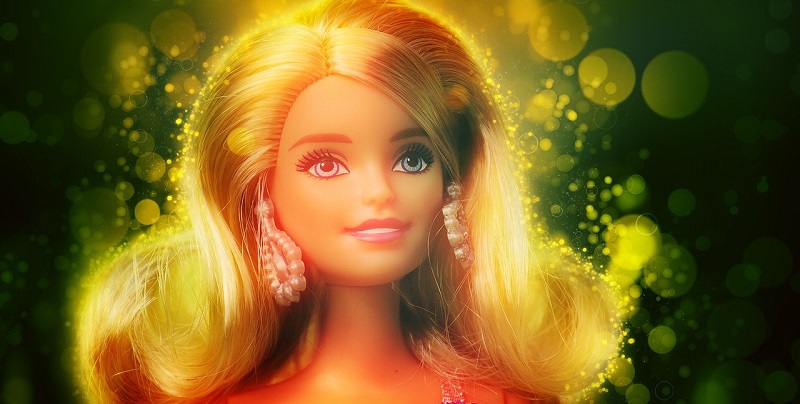
As a child, I was enthralled by the world of Barbie. The range of ethnicities found within the Barbie collection delighted me as it provided a sense of inclusivity and diversity. I also remember the excitement I felt when I discovered that there were dolls like the plus-size Barbie and another in a wheelchair. However, little did I know that behind these seemingly empowering representations lay a different reality.
The Illusion of Perfection
As my understanding of the world grew, it became evident that the perfect Barbie dolls portrayed on social media were nothing more than constructs, shaped by stereotypes and narrow norms of femininity. Concepts like inequality, gender pay gaps, and patriarchy did not belong to the idyllic world in which Barbie existed, yet they represented pressing issues in the real world. Moreover, the pressure to conform to these unrealistic ideals imposed by social media was stifling.
The Marginalization of Unique Dolls
It saddened me to discover that truly unique dolls, such as Pregnant Barbie, Gay Ken, and Weird Barbie, were either discontinued or cast out from the mainstream Barbie narrative. These dolls were a breath of fresh air, as they challenged societal norms and allowed children to explore various aspects of human and individual diversity. The fact that these dolls were pushed aside hinted at a culture that shied away from embracing uniqueness and celebrating differences.
Rejecting Vulnerability
In the world of Barbie, vulnerability was not an option. Signs of weakness, doubt, and depression were met with scorn and interpreted as indicators of failure and flaws. This perpetuated the unhealthy notion that one must always put on a facade of perfection, hiding any struggles or setbacks. Barbie’s unattainable standards created a sense of inadequacy in young minds, fostering a belief that imperfections were unacceptable.
Contrasting Realities
Stepping away from the fairy-tale realm of Barbie, the realities of the workplace became apparent. The pink glamour and simplicity that Barbie exuded were nowhere to be found, replaced instead by the complexities and challenges of a diverse workforce. Gender could no longer be confined to a binary classification, as the real world embraced the spectrum of identities. Insecurities and cellulite were not considered flaws but rather seen as normal aspects of being human. Barbie’s world seemed far removed from the inclusive and accepting environment we strive for today.
Progress Towards Inclusivity
While the world is far from perfect, it is heartening to witness the progress being made towards inclusivity. More and more workplaces are recognizing the importance of diversity and are taking steps to create an inclusive environment for all. The emphasis on representation and equal opportunities augurs well for a future where all individuals can thrive, regardless of their gender, race, or abilities. It is through these efforts that we are dismantling the unrealistic standards perpetuated by Barbie’s world.
A Workplace Where Differences Are Celebrated
Give me a workplace any day where it is not about “them and us,” but rather about unity and collaboration. A workplace where gender is not binary but rather a spectrum that allows individuals to express themselves authentically. In this ideal workplace, insecurities and imperfections are no longer seen as signs of weakness but rather as part of the human experience. When we embrace diversity and celebrate differences, we create an environment where everyone can thrive.
Appreciating Everyday Joys
Every day becomes a great day when we let go of the unrealistic ideals imposed by society and reject the pressures to conform. By understanding that beauty, success, and happiness are not one-size-fits-all, we can find joy in embracing our unique qualities. Let us celebrate our imperfections, appreciate our journey, and reject the limitations that society places upon us.
As I reflect on the journey with Barbie, I realize that it is time to put her back in the box. My fascination with her as a child was innocent and filled with wonder, but as I grew older, I outgrew the unrealistic ideals she represented. Concepts like diversity, inclusivity, and the acceptance of imperfections have become my guiding principles. Today, I strive to create a world that welcomes everyone, rejects stereotypes, and empowers individuals to embrace their authentic selves. Goodbye, Barbie, and thank you for the lessons learned along the way.