

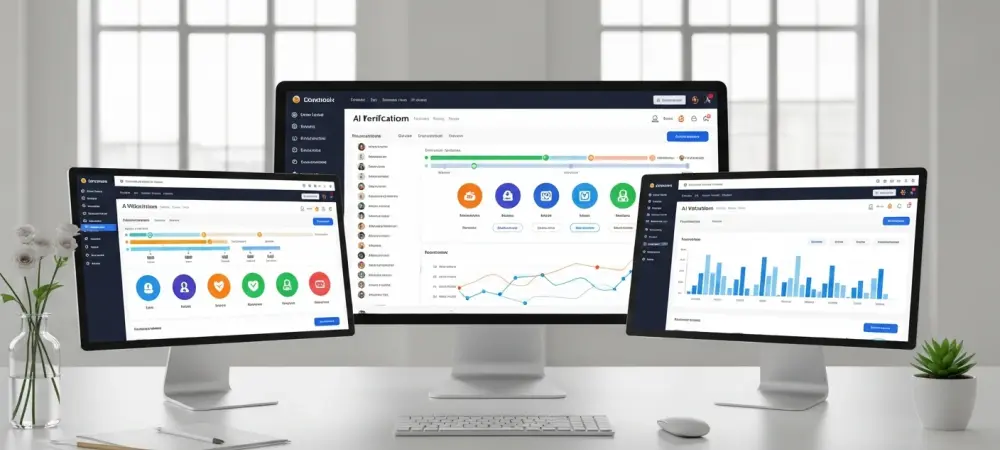
The persistent failure of traditional talent acquisition models to filter through the noise of millions of global applications has finally forced a radical architectural shift in how corporations identify and secure human capital. This evolution marks a departure from the era of fragmented legacy systems and disorganized spreadsheets that once defined the recruiter’s daily experience. In 2026, the emergence of integrated digital ecosystems, specifically Full-Time Hiring Platforms like QuantumHire, signifies a move toward a more strategic and unified approach to talent management. This transition was necessitated by chronic recruiter burnout and the logistical impossibility of manually processing the sheer volume of global candidates.
The Evolution of AI-Driven Talent Acquisition
Modern recruitment technology has evolved from simple search tools into complex engines that prioritize automated sourcing and deep data integration. This shift represents a fundamental change in core principles, where the goal is no longer just to find a candidate but to find the right candidate through an intelligent, connected ecosystem. The move away from isolated software toward these integrated platforms allows for a more cohesive strategy that addresses the entire hiring lifecycle.
Furthermore, this technological landscape reflects a strategic response to the globalization of the workforce. As application volumes continue to surge, these platforms offer a scalable solution that maintains quality without sacrificing speed. The relevance of such technology lies in its ability to transform a reactive, tactical staffing process into a proactive, data-driven operation that can withstand the pressures of a highly competitive and volatile international market.
Core Functional Components of Modern Hiring Platforms
Intelligent Candidate Sourcing and Resume Alignment
The efficacy of a modern platform depends on its ability to create precise, context-aware job descriptions that attract the specific talent required for technical roles. Rather than relying on generic templates, the software analyzes organizational needs to craft requirements that reflect real-world project demands. This precision ensures that the initial funnel is populated with candidates who possess the exact technical competencies needed for specialized engineering tasks. Moreover, intelligent resume alignment goes beyond simple keyword matching by evaluating the depth and relevance of a candidate’s experience. This nuanced screening process filters out resume inflation, ensuring that the alignment between a candidate’s skills and the organization’s technical architecture is authentic. This level of technical scrutiny is essential for maintaining the high standards required by large-scale product engineering firms.
Automated Workflow and Lifecycle Management
A sophisticated hiring platform must function as a central nervous system for the recruitment process, managing every interaction from the first contact to the final offer. By integrating a built-in Applicant Tracking System, the platform automates the burdensome logistics of interview scheduling and stakeholder coordination. This automation removes the administrative friction that frequently causes high-quality candidates to drop out of the process due to delays or poor communication.
Additionally, the synchronization of feedback loops between hiring managers and recruiters ensures that the selection process remains agile. This streamlined workflow allows organizations to minimize redundant interview rounds and focus on high-value interactions. The result is a significant reduction in the time-to-hire, which is a critical metric for enterprises operating in fast-paced technological sectors.
Verification and Integrity Protocols
Maintaining integrity in a digital-first environment requires robust technical protocols to combat the increasing prevalence of candidate fraud. Modern platforms incorporate rigorous background screening and database validation to ensure the authenticity of every applicant. These systems are designed to verify educational credentials and employment history in real-time, providing a layer of security that manual checks cannot match.
In contrast to traditional methods, live assessment techniques and automated proctoring provide immediate evidence of a candidate’s technical proficiency. These protocols are vital for building a trustworthy workforce, particularly when hiring for sensitive or high-level engineering positions. By establishing a high standard of honesty through these verification layers, platforms ensure that the talent hired is both capable and reliable.
Innovations in Human-Machine Collaboration
The philosophy guiding recent developments in recruitment technology focuses on augmenting human capabilities rather than replacing the recruiter. This “human-plus-AI” approach allows professionals to delegate repetitive, data-heavy tasks to the machine while focusing on the nuanced aspects of candidate engagement. This collaboration improves the quality of decision-making by providing recruiters with data-informed insights that were previously inaccessible.
Moreover, new features such as psychometric testing and “vital” checks during the interview process offer a deeper understanding of a candidate’s psychological profile and stress response. These tools provide a more holistic view of the applicant, moving beyond technical skills to assess long-term compatibility. This innovation influences the industry’s trajectory toward higher reliability, ensuring that the human element of hiring is supported by objective, empirical data.
Strategic Applications in Global Enterprises
Global corporations and large-scale engineering firms utilize these platforms to navigate the specific challenges of international recruitment. The technology allows enterprises to manage complex visa constraints and localized labor laws within a single, unified interface. This capability is crucial for organizations looking to build stable workforces across multiple geographic regions while maintaining a consistent standard of talent quality.
Furthermore, the implementation of such technology enables firms to build talent pipelines that are resilient to market fluctuations. By utilizing AI to identify high-potential candidates in competitive markets, enterprises can secure a steady flow of talent for critical roles. This strategic application ensures that the organization remains competitive on a global scale, leveraging technology to overcome the traditional barriers of distance and varying regulatory environments.
Navigating Adoption Hurdles and Technical Constraints
Despite the clear advantages, the adoption of AI recruitment platforms is not without its challenges, specifically the ongoing threat of sophisticated fraud. As candidates use increasingly advanced tools to circumvent screening processes, recruitment technology must continuously evolve to maintain its defensive posture. This persistent arms race requires constant updates to verification algorithms and assessment methodologies to stay ahead of potential exploits.
However, a more subtle constraint lies in the technical difficulty of assessing cultural fit through purely algorithmic means. While AI can measure technical proficiency with high accuracy, the social and cultural nuances of an organization are harder to quantify. Ongoing development efforts are focusing on agent-driven verification and more nuanced data processing to bridge this gap, aiming to create a more balanced evaluation that considers both hard skills and soft attributes.
The Future Trajectory of Intelligent Recruitment
The outlook for recruitment technology points toward a transition from tactical staffing to long-term strategic alignment. Future breakthroughs in predictive analytics will likely allow organizations to anticipate turnover and skill gaps before they occur, moving recruitment into a more proactive phase. This shift will enable firms to manage their human capital with the same level of precision as their financial or technical assets.
Moreover, the long-term impact of data-driven insights will lead to greater organizational stability and performance. By aligning human potential with corporate vision through advanced modeling, companies can ensure that every hire contributes to the long-term goals of the enterprise. This evolution suggests a future where recruitment is no longer a series of isolated events but a continuous, optimized process driven by deep intelligence.
Final Assessment of AI Recruitment Efficacy
The review of these platforms indicated that the technology reached a state of maturity where it became indispensable for global enterprises. The shift toward speed, scalability, and transparency addressed the most significant inefficiencies of the traditional hiring model. It was observed that the integration of automated verification and intelligent sourcing significantly improved the quality of the candidate pool while reducing administrative overhead.
Ultimately, the transition to platforms like QuantumHire represented a fundamental change in the talent acquisition landscape. The technology demonstrated its potential to redefine how organizations interact with the global workforce, making the process more equitable and efficient. The adoption of these systems provided a decisive advantage for firms seeking to navigate the complexities of a modern, technology-driven labor market with confidence and precision.