

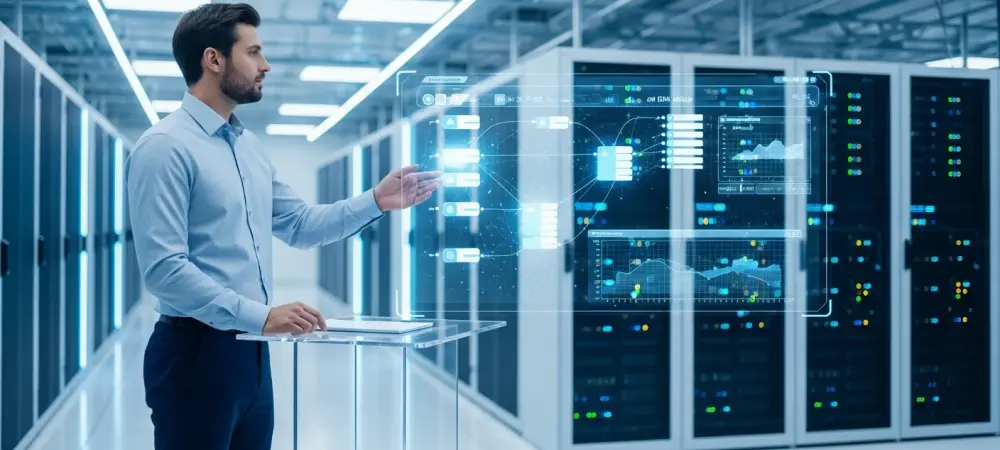
The traditional landscape of continuous integration and continuous deployment has undergone a radical transformation as autonomous AI agents moved from experimental novelties to the very backbone of modern enterprise software engineering operations. These systems are no longer merely executing pre-defined scripts or responding to basic triggers; instead, they are now capable of interpreting high-level business requirements and translating them into complex, multi-stage infrastructure changes with minimal human oversight. This evolution has effectively dismantled the bottleneck of manual approvals and repetitive oversight that once plagued the software development lifecycle. By leveraging sophisticated large language models and specialized reasoning frameworks, organizations have begun to experience a level of operational velocity that was previously considered unattainable in even the most agile environments. The current focus has shifted from managing tools to orchestrating intelligent agents that navigate the intricacies of cloud-native architectures.
Transforming Software Delivery Through Autonomous Intelligence
The Rise: Self-Healing Infrastructure and Real-Time Remediation
Within the current cloud-native ecosystem, autonomous agents have revolutionized how infrastructure drift is identified and corrected without the need for manual intervention from site reliability engineers. When a configuration discrepancy occurs in a production Kubernetes cluster or a Terraform-managed environment, these agents do not just send an alert; they analyze the root cause, simulate the potential impact of a fix, and apply the necessary adjustments in real-time. This capability ensures that systems remain in their desired state even amidst high volatility or unexpected spikes in user demand. The sophistication of these agents allows them to manage complex dependencies across distributed microservices, ensuring that a change in one component does not inadvertently cause a failure in another. As a result, the reliability of enterprise-grade applications has reached an all-time high, allowing developers to focus entirely on feature innovation rather than maintenance. Beyond simple remediation, these intelligent systems have introduced a predictive element to resource management that significantly reduces operational overhead and cloud expenditure. By analyzing historical traffic patterns and correlating them with real-time telemetry data, AI agents now dynamically scale infrastructure up or down with a precision that manual thresholding could never achieve. This proactive approach eliminates the waste associated with over-provisioning while simultaneously protecting against the performance degradation caused by sudden traffic surges. Furthermore, these agents possess the ability to optimize multi-cloud deployments by shifting workloads to the most cost-effective regions or providers based on current pricing and performance metrics. The integration of such high-level decision-making into the DevOps pipeline represents a departure from static automation toward a truly cognitive operational model that learns and adapts to every environment change.
The Collaborative Layer: Seamless Integration with Engineering Teams
Security has traditionally been a significant friction point in the development process, but the introduction of AI agents has successfully integrated robust protection mechanisms directly into the flow of work. These agents operate as persistent security auditors that scan source code, dependencies, and container images for vulnerabilities at every stage of the lifecycle. Rather than merely flagging issues for later review, they often propose specific code fixes or configuration updates that address the root cause of a security flaw immediately. This agentic shift-left approach ensures that security is not an afterthought but a foundational component of every build, drastically reducing the window of exposure for new deployments. Moreover, these systems are capable of identifying complex logical vulnerabilities that traditional static analysis tools frequently miss, providing a layer of protection that adapts as new cyber threats emerge in the global digital landscape.
The transition to agent-led DevOps necessitated a fundamental rethink of how engineering teams structured their daily operations and long-term strategic goals. Successful leaders prioritized the establishment of clear guardrails and observability frameworks that allowed these autonomous systems to function effectively while maintaining human accountability. The organizations that thrived during this period were those that viewed agents not as replacements for human talent but as powerful force multipliers that handled the cognitive load of routine management. By offloading the complexities of deployment, monitoring, and security to intelligent agents, teams were able to dedicate their creative energy to solving higher-level business problems and driving technological breakthroughs. Ultimately, the adoption of these agentic workflows provided a resilient foundation for the next generation of digital services, proving that the synergy between human ingenuity and artificial intelligence was the key.