

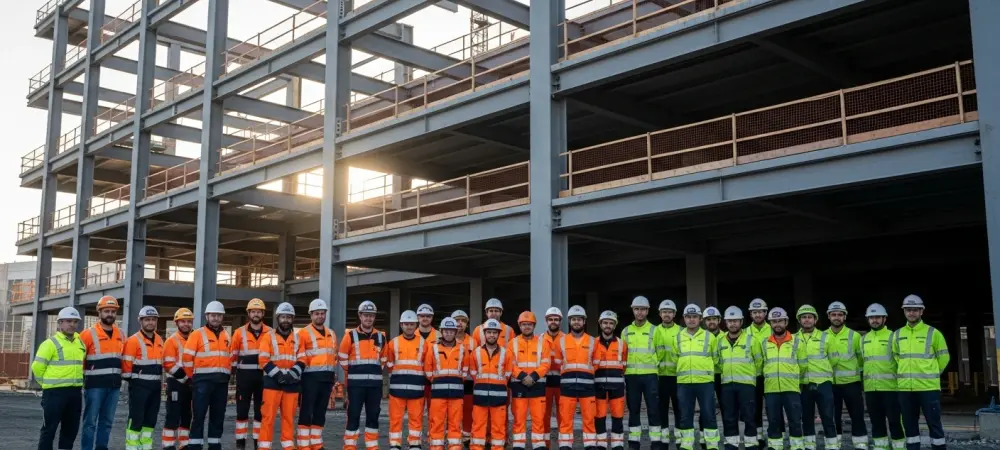
The modern construction site operates at a high-speed intersection of heavy machinery, rigorous technical specifications, and a dynamic workforce that increasingly reflects the diversity of the broader population. While the physical dangers of the job have traditionally dictated a rigid approach to safety, the contemporary push for inclusive hiring introduces a layer of complexity that many regional firms find difficult to manage under current legal frameworks. This friction often manifests when project managers must reconcile strict Occupational Safety and Health Administration protocols with the requirements of the Americans with Disabilities Act, leading to a situation where compliance feels like a zero-sum game. Consequently, the industry is seeing a rise in operational paralysis, where the fear of litigation from one side prevents the meaningful implementation of support systems on the other. Balancing these dual mandates requires more than just goodwill; it demands a strategic overhaul of how safety is defined and executed.
The Regulatory Maze: Identifying Overlapping Mandates
The existing legal landscape for construction firms resembles a fragmented mosaic of conflicting rules, where adherence to a state-level safety mandate might inadvertently trigger a federal privacy violation. This fragmentation occurs because agencies often operate in silos, drafting regulations that solve specific technical hazards without considering the broader human resources implications for vulnerable or non-traditional workers. For instance, a site supervisor might require detailed medical documentation to ensure a crane operator with a pre-existing condition can safely perform their duties, yet strict data protection statutes often prohibit the collection of such information. This creates a precarious environment where firms are forced to guess which regulation carries the higher penalty if ignored. The lack of a cohesive, top-down instruction manual for these overlapping scenarios leaves human resources departments in a state of constant legal defense, prioritizing risk mitigation over genuine employee advancement or site-wide inclusivity.
Beyond the legal hurdles, the financial repercussions of navigating this regulatory complexity are becoming a significant burden for medium-sized enterprises attempting to maintain competitive margins in 2026. Substantial capital that could otherwise be invested in advanced safety technology, such as exoskeleton suits or real-time biometrics for field crews, is being siphoned off into exorbitant legal fees and compliance audits. Industry leaders observe a trend where the cost of defensive lawyering now rivals the cost of actual physical safety equipment, a dynamic that stifles innovation and prevents the adoption of more inclusive practices. This economic strain is particularly acute in high-cost urban markets where labor shortages are already driving up operational expenses. Instead of funding mentorship programs for neurodivergent apprentices or investing in adaptive tools for workers with physical limitations, companies are essentially paying a confusion tax to maintain a status quo that fails to serve the diverse needs of the modern workforce.
Barriers to Support: Privacy Laws and Vulnerable Personnel
A paradoxical challenge arises when well-intentioned privacy and anti-discrimination laws inadvertently block the very accommodations they were designed to facilitate for disabled or neurodiverse employees. While these statutes protect individuals from being unfairly screened out of the hiring process, they also create a wall of silence that prevents safety officers from designing specific, life-saving workplace adjustments. For example, a worker managing a chronic but stable condition might benefit from adjusted shift times or specialized signage, but if the compliance department restricts the flow of medical data to avoid liability, those tailored supports are never deployed. This leaves the worker at a higher risk in a high-stakes environment where split-second decisions are common. The disconnect between legal protection and actual safety creates a vacuum where the most vulnerable employees are left to fend for themselves, as employers are legally discouraged from asking the questions necessary to help them succeed in their roles.
To bridge this gap, some forward-thinking firms are beginning to experiment with voluntary disclosure programs that rely on trust rather than mandate, though these initiatives are still in their infancy. These companies are finding that creating a culture of care rather than a culture of compliance allows for the implementation of subtle but effective modifications that do not compromise site integrity. This might involve the use of augmented reality headsets that provide visual cues for workers who may have auditory processing difficulties, or the deployment of site-wide universal design principles that make the environment safer for everyone, regardless of their specific physical or cognitive status. By shifting the focus from individual limitations to environment-wide accessibility, the industry can bypass some of the legal friction associated with personal data. However, these technological solutions require a level of investment and regulatory clarity that remains elusive for the majority of the sector, highlighting the need for a more systemic change.
Path Forward: Unified Guidelines and Integrated Policy
The growing industry consensus suggests that the only sustainable solution to this deadlock is the creation of a unified regulatory framework that harmonizes safety mandates with inclusive hiring practices. Stakeholders from major trade unions and national construction associations are increasingly calling for government intervention to streamline the current alphabet soup of regulatory bodies into a single, coherent set of guidelines. A centralized policy would provide a clear roadmap for how to handle medical disclosures, physical accommodations, and safety protocols without the fear of contradictory litigation. Such a transformation would not only protect firms from legal vulnerability but would also foster a more stable environment for workers who currently feel marginalized by rigid site rules. By reducing the complexity of the legal landscape, the industry can refocus its energy on building a more resilient and diverse talent pipeline, which is essential for meeting the massive infrastructure demands of the current decade.
The construction sector recognized that achieving a balance between rigorous safety and inclusive hiring required a fundamental shift in both policy and technological integration. Organizations successfully moved toward a model where safety was viewed through a lens of equity, ensuring that every worker, regardless of their background, had the tools and legal protections needed to thrive on the job. Leadership teams prioritized the development of adaptive workflows and invested in communication platforms that allowed for transparent, voluntary disclosure of needs without the threat of professional repercussion. By advocating for a consolidated regulatory approach, the industry minimized the financial waste associated with legal uncertainty and redirected those funds into meaningful workforce development initiatives. This strategic evolution ultimately demonstrated that site safety and inclusive excellence were not competing interests, but rather interdependent components of a modern, productive, and socially responsible construction industry.