

The transition from traditional print advertising to dynamic digital storytelling represents the most significant shift in garment care marketing seen in over three decades, fundamentally changing how local businesses connect with their respective communities. Statistics indicate that while paid search costs for dry cleaners increased by nearly twenty percent from 2026 to 2028, the conversion rates for those same ads remained stagnant or declined. This creates a challenging environment where local businesses spend more to acquire fewer customers. In contrast, organic video content on platforms like TikTok and Instagram has emerged as a powerhouse for growth, turning localized services into global brands. By leveraging short-form video, dry cleaners can bypass the noise of conventional advertising and engage directly with a demographic that values transparency and authenticity. The success of this approach is not merely about viral fame but about establishing a lasting connection with a consumer base that feels increasingly alienated by hard-sell tactics and impersonal service models.
Developing a Strategic Content Mix
Sharing Educational Expertise
Garment care professionals often sit on a wealth of specialized knowledge that the average consumer finds both fascinating and incredibly useful for their daily lives. By creating short videos that explain how to interpret complex care labels or demonstrating the proper way to treat a red wine stain at home, a business shifts its role from a vendor to an educator. This educational approach works because it solves an immediate problem for the viewer without asking for anything in return, which is the cornerstone of modern digital trust. When a user sees a professional successfully remove a stubborn mark using a method that actually works, the credibility of that professional skyrockets instantly. Moreover, these tutorials provide a reason for people to follow a dry cleaner’s social media page even if they do not currently need cleaning services, keeping the brand at the top of their mind for the inevitable moment when a high-stakes garment requires professional intervention.
Highlighting Professional Operations
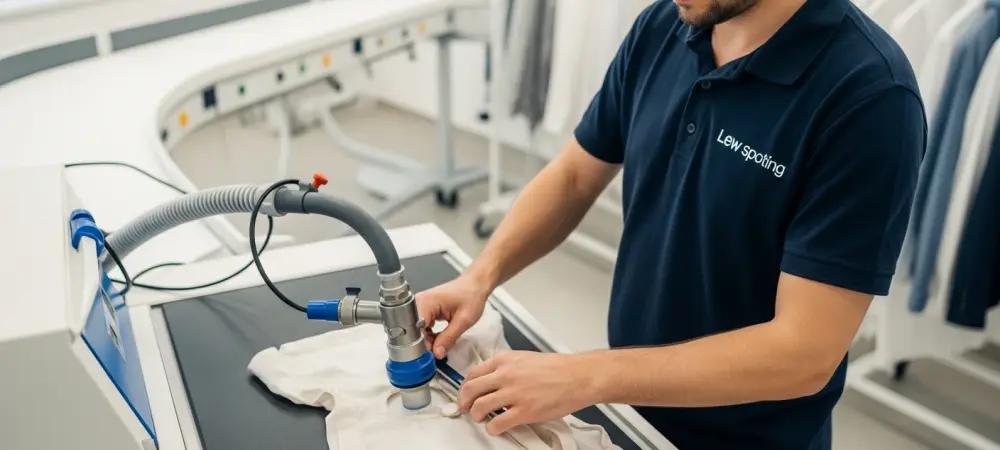
Operational transparency is another critical pillar of a modernized marketing strategy, as it pulls back the curtain on the labor-intensive reality of professional garment care. Many customers assume that dry cleaning simply involves throwing clothes into a large washing machine, but video content can quickly dispel this myth by showcasing specialized machinery. High-definition footage of steam tunnels smoothing out wrinkles in seconds or drying cabinets handling delicate knits provides visual proof of a capability that home laundering cannot match. Showing the intricate mechanics of a shirt buck or the precision required to operate a tensioning form finisher highlights the massive capital investment and technical skill required for the job. When consumers see the complexity of the equipment used to maintain their wardrobe, the value proposition becomes clear and undeniable. This visual evidence serves to justify premium pricing by demonstrating that the customer is paying for a level of care and technology that is simply unavailable elsewhere.
Building Trust and Driving Growth
Shifting Public Perception
Modernizing a dry-cleaning business requires a concerted effort to shift the public perception of the industry away from it being a necessary but confusing expense. For too long, the back of the house in a dry cleaner has been a black box to the consumer, leading to misunderstandings regarding garment safety and chemical use. Video content provides a platform to demystify these processes, allowing owners to explain the science behind solvent choices or the environmental benefits of modern wet-cleaning technologies. When a professional explains the how and why of their cleaning methods, it replaces consumer anxiety with informed appreciation. This shift is essential for bridging the trust gap, especially when dealing with high-end designer pieces or sentimental items like wedding gowns. By being open about the potential risks and the mitigation strategies used during the cleaning process, a business demonstrates a level of honesty that is rare in traditional advertising, further solidifying the bond.
Executing the Revenue Framework
The ultimate objective of any digital marketing pivot is to translate social media engagement into a sustainable increase in revenue through a logical conversion framework. This process begins with the broad discovery phase, where educational and entertaining videos attract a wide audience and establish initial brand awareness. As viewers consume more content, they move into the consideration phase, where their skepticism is minimized by the consistent demonstration of expertise and professional operational standards. This trust-building phase is crucial because it lowers the barrier to entry for new customers who might have been hesitant to try a new service provider. Once the consumer feels a sense of familiarity with the brand, the transition to becoming a paying client happens naturally. The business then leverages this initial win by continuing to provide value through digital channels, encouraging repeat visits and fostering the kind of brand loyalty that is resistant to the price-cutting tactics of competitors.
Adapting to Modern Consumer Habits
The transition toward video content successfully revitalized the dry cleaning industry by providing a transparent and engaging way to connect with consumers on a personal level. Moving forward, businesses prioritized the development of an authentic digital voice, focusing on consistent posting schedules and high-quality production to maintain their competitive edge. The industry realized that the goal was not just to gain followers, but to create a community of informed customers who understood the value of professional garment care. Success required a commitment to being helpful first and promotional second, a strategy that yielded significant long-term dividends. Business owners implemented internal workflows to capture content during daily operations, ensuring that marketing became a natural extension of their craft. By leveraging the power of educational and operational videos, garment care professionals secured their place in the modern economy and transformed their businesses into trusted local institutions.