A stagnant job market and persistent inflation have outpaced income growth, driving millions of households to rely on short-term credit for basic food and necessities. This economic climate has catalyzed a significant transformation in the American credit landscape, where traditional
A stagnant job market and persistent inflation have outpaced income growth, driving millions of households to rely on short-term credit for basic food and necessities. This economic climate has catalyzed a significant transformation in the American credit landscape, where traditional

The rapid integration of short-term installment loans into the checkout process for basic grocery items represents a fundamental shift in how modern households manage their weekly liquidity. Traditionally reserved for high-ticket electronics or luxury vacations, Buy Now, Pay Later (BNPL)
Deeper Sections Await

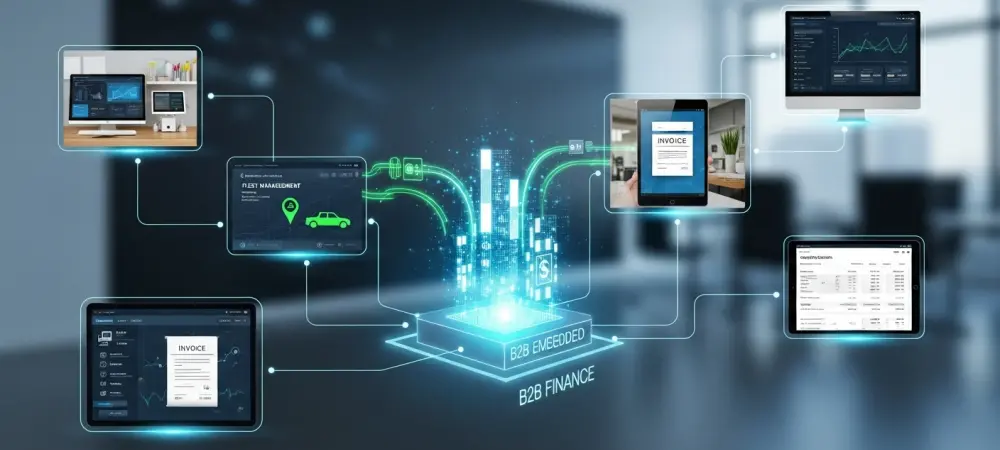
The modern software economy has reached a tipping point where functional utility alone no longer guarantees market dominance or long-term profitability for providers. Software platforms are transitioning from simple payment integrations to embedded architectures where they control the entire transactional

The clicking of a physical button to finalize a purchase has become a ghost of a previous economic age, replaced by the seamless fluidity of a spoken sentence or an automated nod from a digital assistant. This shift marks the
Browse Different Divisions
The modern software economy has reached a tipping point where functional utility alone no longer guarantees market dominance or long-term profitability for providers. Software platforms are transitioning from simple payment integrations to embedded architectures where they control the entire transactional

Parents seeking to provide a digital allowance can utilize Google Family Link to establish supervised wallets that allow children to make contactless payments at retail locations. In the current landscape of 2026, the traditional physical wallet has become increasingly redundant

Modern digital enterprises are rapidly abandoning the cumbersome necessity of toggling between disparate financial portals in favor of unified systems that treat money movement as a background utility. This evolution gained significant momentum as Payload moved from its 2020 launch

The financial services industry in Southeast Asia has reached a critical juncture where the mere presence of digital apps is no longer a competitive advantage, necessitating a profound pivot toward autonomous, intelligence-driven ecosystems that serve customers in real time. As
The frictionless movement of capital across international borders remains the final frontier for digital enterprises seeking to eliminate the legacy inefficiencies of the twentieth-century banking system. While the early years of digital assets were characterized by market volatility and speculative
The clicking of a physical button to finalize a purchase has become a ghost of a previous economic age, replaced by the seamless fluidity of a spoken sentence or an automated nod from a digital assistant. This shift marks the
Browse Different Divisions


Uncover What’s Next
B2BDaily uses cookies to personalize your experience on our website. By continuing to use this site, you agree to our Cookie Policy