

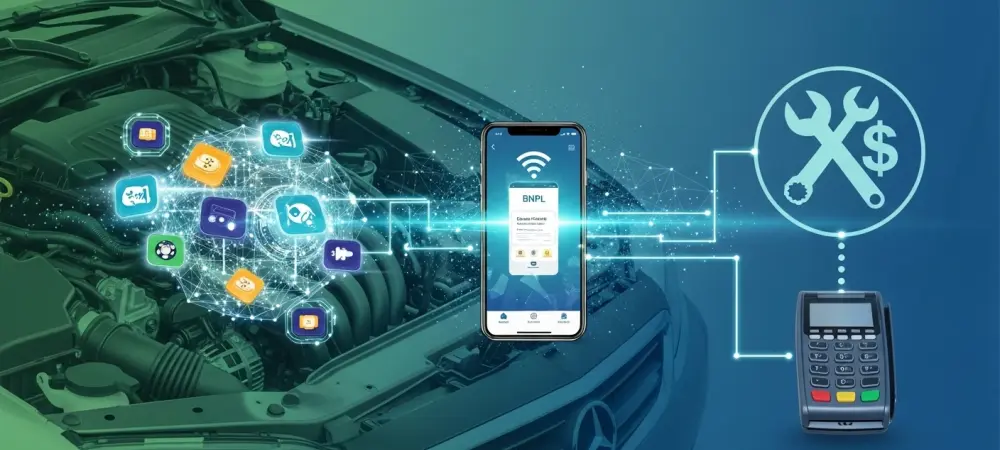
Unexpected vehicle breakdowns represent a sudden and significant financial hurdle that forces millions of drivers to choose between road safety and their monthly budgetary stability every single year. While minor maintenance like oil changes can be anticipated, major component failures often arrive without warning, leaving vehicle owners scrambling for liquidity in a high-stakes environment. Traditional financing options frequently require intrusive credit applications that take time and potentially lower credit scores, which creates a barrier for consumers who need immediate solutions. The emergence of card-linked installments marks a pivotal shift in how the automotive aftermarket handles these high-cost transactions, moving away from stressful debt toward a more manageable, consumer-friendly model. By integrating these systems directly into the repair shop workflow, service providers are now able to offer a lifeline that balances the technical necessity of vehicle upkeep with the fiscal realities of the average American household in the current economic landscape.
Innovation in Point-of-Sale Financing
Streamlining the Checkout Experience
The primary advantage of this modern payment architecture lies in its ability to utilize a consumer’s existing credit lines without the need for additional underwriting or third-party redirects. Unlike the initial wave of BNPL services that operated as standalone lending products, card-linked installments work directly with the credit or debit cards that a driver already carries in their wallet. This means that a customer facing a two-thousand-dollar engine repair can simply choose an installment plan at the payment terminal, and the system automatically partitions the total amount across several billing cycles. There are no new accounts to open, no hard credit inquiries to worry about, and no friction that might cause a customer to reconsider an essential safety repair. This seamless transition from a single lump-sum payment to a structured installment plan preserves the customer’s dignity while ensuring that the repair facility can proceed with the work immediately, knowing the payment is secured through the existing banking infrastructure.
Furthermore, the introduction of this technology addresses the psychological stress associated with service centers, where customers often feel vulnerable to unexpected costs. By providing a clear and immediate breakdown of monthly installments right at the point of sale, the technology empowers the vehicle owner to make informed decisions without the pressure of an all-or-nothing financial choice. This transparency is crucial for building trust in an industry that has historically struggled with consumer perception regarding pricing and necessity. As the system handles the division of payments automatically, the service advisor can spend more time explaining the technical aspects of the repair rather than acting as a makeshift loan officer. This shift in roles creates a more professional and less confrontational atmosphere during the checkout process, which is essential for fostering long-term customer satisfaction and repeat business in a highly competitive and localized service market.
Improving Approval Rates for High-Ticket Services
The operational benefits for the repair shop are substantial because the approval rates for these card-linked systems are significantly higher than those of traditional store-branded credit cards. Because the transaction is based on the available credit limit already granted by the customer’s primary bank, the risk of rejection at the point of sale is drastically reduced. This reliability allows service advisors to present repair estimates with greater confidence, knowing that the financing solution they are offering is robust and likely to be accepted. From a technical standpoint, the integration of 1stMILE and Splitit technology means that the entire process happens within seconds, matching the speed of a standard credit card swipe. This efficiency is crucial in a busy automotive environment where every minute spent on paperwork is a minute lost on the shop floor. By removing the administrative burden of financing, repair shops can focus on their core mission of fixing vehicles and serving their clients.
Beyond the immediate transaction, the higher approval rates contribute to a more stable and predictable revenue stream for the repair facility. When more customers are able to afford comprehensive repairs, the shop can maintain higher labor utilization and better manage its parts inventory. This stability allows owners to invest back into their business, whether through purchasing advanced diagnostic equipment or hiring specialized technicians who can handle the increasing complexity of modern electric and hybrid vehicles. Additionally, the reduction in declined services means that fewer vehicles leave the shop with pending safety issues, which mitigates the liability and reputational risks associated with partial repairs. The ability to offer a guaranteed payment solution that does not rely on predatory interest rates or complex terms ensures that the relationship between the merchant and the consumer remains ethical and mutually beneficial, setting a new standard for financial interactions within the broader automotive industry.
Strategic Industry Evolution and Market Accessibility
Integrating Embedded Finance into the Repair Workflow
As the automotive industry moves toward a more digital-first approach, the integration of embedded finance is becoming a non-negotiable requirement for competitive service centers. This trend is not just about adding a new button to the payment terminal; it is about weaving financial flexibility into every touchpoint of the customer journey, from the initial digital estimate to the final vehicle pickup. By utilizing a white-label solution, 1stMILE allows individual repair shops to maintain their own branding and customer relationships rather than handing the interaction off to a third-party lender. This control is vital for building long-term loyalty, as customers associate the ease of payment directly with the repair shop’s service quality. When a driver receives a notification on their smartphone that their transmission repair can be paid over several months with zero interest, the psychological barrier to approving the work vanishes, ensuring that the car stays safe and the shop remains busy throughout the year.
Moreover, the collaboration between payment processors and specialized BNPL providers creates a data-rich environment that helps merchants better understand the spending habits of their local clientele. Shops can track which types of repairs most frequently trigger the use of installment plans, allowing them to tailor their marketing and service packages to meet the actual financial needs of their community. This strategic foresight enables shop owners to manage their inventory more effectively, as they can predict when higher-margin repairs will be approved rather than deferred by cash-strapped owners. The use of card-linked installments also reduces the merchant’s exposure to the “friendly fraud” or chargeback issues often associated with newer, less established payment methods. Since the transaction is authorized by the customer’s existing bank, the security protocols are already in place, providing a layer of protection that benefits both the shop and the consumer while ensuring that digital tools support shop growth.
Enhancing Safety Standards through Financial Accessibility
One of the most significant societal impacts of accessible financing in the automotive sector is the direct correlation between payment flexibility and vehicle roadworthiness. For many low-to-middle-income families, a major car repair is not just a financial inconvenience; it is a threat to their ability to commute to work or transport their children to school safely. By providing an immediate, low-friction way to spread those costs, card-linked BNPL services act as a safety net that keeps potentially dangerous vehicles off the road. The ability to pay for essential maintenance over time means that safety-critical repairs are addressed when they are discovered, not months later when a catastrophic failure occurs. This proactive approach to vehicle health reduces the number of breakdowns on major highways.
Looking forward through the continued expansion from 2026 to 2028, the widespread adoption of these payment models will likely set a new industry benchmark for transparency and consumer protection. Unlike older forms of subprime auto lending that often trapped vulnerable drivers in high-interest debt cycles, card-linked installments prioritize clarity and use existing credit responsibly. This ethical approach to financing builds a foundation of trust that is often lacking in the relationship between consumers and the auto repair industry. As more of the 17,000 service locations nationwide activate these features, we can expect to see a stabilization in the automotive service economy, with fewer peaks and valleys in shop revenue. The democratization of credit in this specific context ensures that the quality of a person’s vehicle maintenance is no longer dictated solely by the amount of cash they have in their checking account at any given moment, fostering a culture of preventative care.
Future Considerations and Actionable Steps
The integration of card-linked installments into the automotive aftermarket proved to be a transformative milestone for both service providers and consumers. Stakeholders who prioritized the implementation of these frictionless payment tools found themselves better positioned to handle the rising costs of vehicle technology and labor. For repair shop owners, the immediate next step involved evaluating existing point-of-sale hardware to ensure compatibility with the latest embedded finance protocols and training staff to present these options as a standard part of every service consultation. Drivers, meanwhile, benefited from a more transparent view of their spending, allowing them to maintain their vehicles without sacrificing their overall financial health. The partnership between technology providers like 1stMILE and Splitit demonstrated that when financial friction was removed, the entire ecosystem thrived. As the industry looked beyond the initial rollout, the focus shifted toward refining the user experience even further, ensuring that the intersection of automotive care and financial services remained seamless and ethical.