

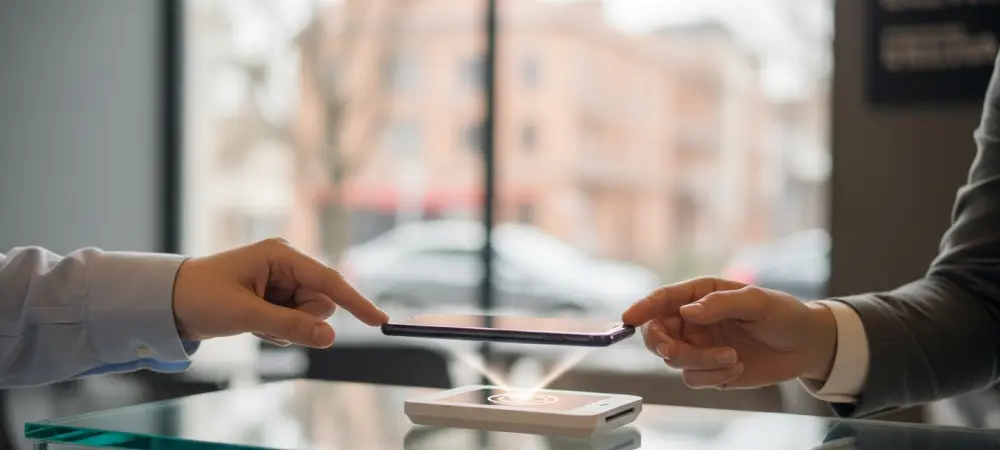
The transition from physical wallets to high-tech digital ecosystems marks a fundamental shift in the global economy, moving away from leather-bound pockets toward encrypted smartphone software. For decades, the ritual of reaching for a wallet was synonymous with financial transactions, but the ubiquity of smartphones has turned this behavior into an archaic memory for millions of people worldwide. This transformation is not merely a matter of convenience; it represents a complete overhaul of the payment infrastructure that has existed since the mid-twentieth century. By embedding financial tools directly into the devices that never leave our hands, the industry has bridged the gap between personal communication and commerce. As consumers embrace this digital-first reality, the very concept of money is being redefined by accessibility, speed, and invisible security protocols that operate behind the scenes. This evolution paves the way for a more integrated lifestyle where every purchase is an effortless extension of digital identity.
Technical Foundations: Principles of Near-Field Communication
Near-Field Communication, commonly known as NFC, serves as the essential invisible architecture that allows a smartphone to talk to a payment terminal within a four-centimeter range. Unlike older magnetic stripe technology that relied on physical contact and susceptible reading methods, NFC creates a sophisticated two-way communication channel between a mobile device and a merchant’s reader. This technology is essentially a highly refined version of Radio Frequency Identification, which has been used for years in employee security badges and key fobs. However, modern NFC is far more advanced, designed specifically to facilitate complex data exchanges while maintaining a strict proximity requirement that prevents accidental or malicious interceptions from a distance. By utilizing a high-frequency short-range wireless standard, it ensures that only the intended terminal receives the payment signal. This precision is what allows users to hover their devices over a sensor to initiate a secure transaction in a second.
One of the primary reasons NFC has outpaced alternatives like Bluetooth in the payment sector is its ability to establish a connection almost instantly without requiring manual pairing. When a user brings their smartphone near a payment terminal, the induction field powers the chip and establishes a link automatically, removing the friction associated with typical wireless setups. Beyond pure convenience, this architecture integrates deeply with native security layers like biometric authentication and hardware-based encryption. Each transaction generates a unique, one-time code rather than transmitting actual credit card numbers, a process known as tokenization. This means that even if the data were intercepted, it would be useless for future purchases, providing a level of defense that physical cards simply cannot match. Furthermore, the requirement of a fingerprint scan or facial recognition adds a personal lock that ensures only the rightful owner can authorize the release of funds.
Social Payments: Modernizing the Experience of Collective Transactions
While individual payments have become increasingly streamlined, the challenge of managing group expenses has remained a significant pain point for consumers and merchants alike. Historically, splitting a restaurant bill or a shared gift involved one person assuming the entire cost and then manually requesting reimbursement from peers through third-party applications. This fragmented process often led to delays, awkward social reminders, and technical errors during bank transfers. Innovative platforms like EmberPay are now addressing this by shifting the focus toward point-of-sale splitting, which allows multiple participants to contribute to a single transaction in real time. Instead of relying on a post-payment reconciliation model, these systems enable users to select a group or a specific set of contacts directly at the register. This approach aligns the financial transaction with the social event itself, ensuring that everyone’s share is settled the moment the merchant is paid.
The true innovation in these social payment systems lies in changing what actually triggers the movement of money from one account to another. Traditional banking systems are built around the concept of a single card or account number, but modern mobile wallets are beginning to leverage social triggers like group chats. By allowing a group conversation to serve as the gateway for a transaction, developers are making payments feel like a natural part of a conversation rather than a separate financial chore. This method effectively bypasses the psychological resistance many feel when handling formal money matters among friends. When the payment interface looks and feels like a messaging app, the friction of entering bank details or scanning separate QR codes is removed. This paradigm shift suggests that the future of commerce is not just about moving funds, but about integrating those funds into the existing digital spaces where people spend most of their time interacting and planning.
Behavioral Metrics: Quantifiable Gains in Speed and Efficiency
Recent real-world pilot studies have provided concrete data showing exactly how much more efficient these integrated mobile payment systems are compared to traditional methods. In controlled tests conducted at high-volume environments like coffee shops and downtown restaurants, traditional peer-to-peer reimbursement models took an average of thirty seconds per person. This delay often created bottlenecks at registers or left diners lingering long after the meal had ended. In contrast, using NFC-enabled automated bill-splitting reduced the time required to just three seconds per participant. This ten-fold increase in speed significantly improves the operational efficiency of the merchant while enhancing the overall customer experience. For businesses, this means higher turnover rates during peak hours and a reduction in the complexity of handling multiple cards or large sums of cash. These efficiency gains are quickly becoming a standard expectation for modern urban consumers.
Beyond the objective metrics of speed, researchers have also uncovered fascinating shifts in the social psychology surrounding small financial exchanges between individuals. A notable finding from consumer behavior studies suggests that social anxiety regarding money often prevents people from seeking reimbursement for small amounts. Before the widespread adoption of these frictionless tools, many individuals only felt comfortable asking a friend to pay them back if the total amount exceeded a twelve-dollar threshold. However, with the introduction of immediate and informal splitting interfaces, that threshold has dropped significantly to just four dollars. This change indicates that when a process is effortless and feels less like a formal debt collection, people are more inclined to settle everyday minor expenses that were previously ignored. The technology is essentially normalizing the fair distribution of costs, reducing the mental burden of tracking small debts and fostering more transparent financial relationships.
Strategic Integration: The Future of Financial Identity
Psychological comfort remains a critical factor in how quickly new financial technologies are adopted by the general public, particularly concerning shared resources. Research indicates that many users express hesitation toward traditional joint accounts because they associate them with a loss of privacy and a shared liability for another person’s debt. However, the same users feel remarkably comfortable using a group chat as a payment trigger because it feels like a temporary, situational connection rather than a permanent legal binding. By replacing the card metaphor with a chat metaphor, developers have successfully removed much of the perceived financial risk and replaced it with the familiarity of social media interaction. This psychological pivot allows for more dynamic financial collaborations without the rigid commitment of legacy banking structures. It shows that the success of mobile wallets depends as much on user perception and comfort as it does on the underlying technical specifications. To move forward effectively, organizations should have prioritized the creation of specialized payment solutions that addressed niche social needs rather than just replicating physical cards. The shift toward digital-first commerce required a complete rethinking of the user journey, emphasizing privacy and data security as foundational elements. Businesses found that the most successful implementations were those that focused on seamless integration with existing lifestyle apps, making the payment process secondary to the user’s primary social intent. From 2026 to 2028, market analysts observed the adoption rate of these decentralized social payment tools growing by an additional forty percent as consumer trust in biometric security reached a peak. Stakeholders in the fintech space took action by moving beyond generic platforms to offer tailored experiences that catered to specific community behaviors. Ultimately, the industry viewed mobile wallets as secure hubs for identity management.