
The digital landscape of Central Asia is undergoing a rapid metamorphosis as traditional cash-based systems give way to sophisticated mobile alternatives. A single, centralized QR code now allows merchants to accept payments from any domestic banking application, streamlining the entire
The digital landscape of Central Asia is undergoing a rapid metamorphosis as traditional cash-based systems give way to sophisticated mobile alternatives. A single, centralized QR code now allows merchants to accept payments from any domestic banking application, streamlining the entire







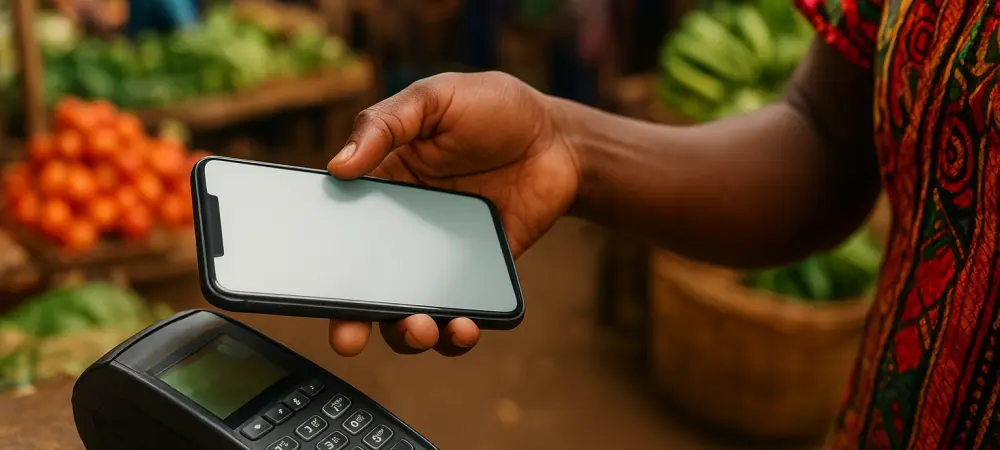
Local financial institutions like Absa have already launched proprietary NFC solutions to fill the void left by the absence of a unified Google Pay platform. This strategic move highlights the growing demand for contactless payment options in a market that
Deeper Sections Await

The current infrastructure governing international financial transfers relies on a fragmented web of correspondent banking relationships that frequently result in delays, high costs, and a lack of transparency for businesses operating across borders. While domestic payment systems have undergone significant

Decentralized finance has long struggled with the rigidity of automated market makers and pool-based lending systems that often fail to capture the nuance of individual risk appetites. The arrival of Offerbook represents a fundamental pivot from the standard liquidity pool
Browse Different Divisions
The current infrastructure governing international financial transfers relies on a fragmented web of correspondent banking relationships that frequently result in delays, high costs, and a lack of transparency for businesses operating across borders. While domestic payment systems have undergone significant

Traveling through the bustling streets of Shanghai or Beijing once required a complex juggling act of physical cash and niche local apps, but a groundbreaking integration between PayPal and the massive Weixin Pay network has finally dismantled these long-standing barriers

The fintech landscape is evolving rapidly as traditional payment giants embrace blockchain technology to redefine global commerce. Our expert today explores how established networks are securing the regulatory approvals and infrastructure necessary to bridge the gap between experimental digital assets

The friction inherent in modern international finance remains a significant hurdle for global trade as traditional correspondent banking networks often delay transactions for several business days while accumulating high fees. While domestic payments have seen rapid digital transformations, the cross-border

Travelers from the United States arriving at major Chinese hubs like Shanghai Pudong or Beijing Capital often face immediate friction when attempting to use traditional Western credit cards for basic services. This digital divide stems from China’s unique payment ecosystem,
Decentralized finance has long struggled with the rigidity of automated market makers and pool-based lending systems that often fail to capture the nuance of individual risk appetites. The arrival of Offerbook represents a fundamental pivot from the standard liquidity pool
Browse Different Divisions




Uncover What’s Next
B2BDaily uses cookies to personalize your experience on our website. By continuing to use this site, you agree to our Cookie Policy